Leave Your Message
0%

Why Buy Bike lock and Helmet Sets for Global Buyers?

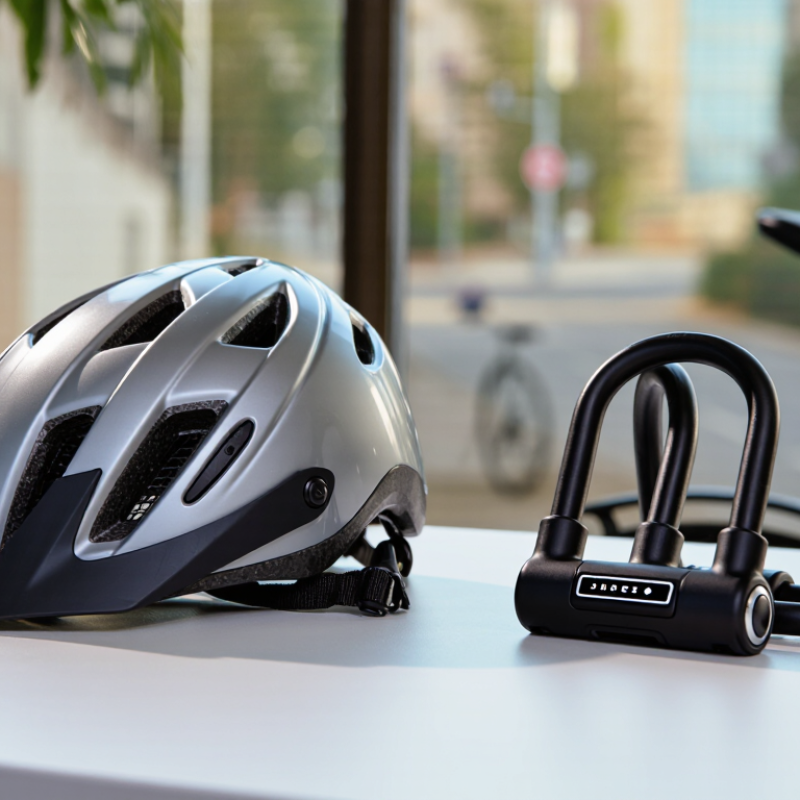
For global buyers, a bike lock and helmet set just makes practical sense—it bundles two everyday cycling protections into one purchase. The helmet looks after the rider’s head. The lock helps keep the bike secure during quick stops. That combo works well for retailers, distributors, rental operators, and corporate mobility programs. And it can make sourcing, packaging, and inventory planning a whole lot simpler.

Dr. Etienne Krug, a road-safety expert at the World Health Organization, once said, “Wearing a bicycle helmet can reduce the risk of serious head injury by almost 70%.” That’s a strong public-health point, no question. But buyers shouldn’t treat one statistic like a complete buying guide. Helmet fit still matters. So do ventilation, adjustment systems, and visible safety labeling. Lock quality matters, too. A thin cable might be fine for a quiet office campus, but it’ll likely let you down at a busy city bike rack.

A good Bike Helmet And Lock package should feel coherent—not just two items thrown together. Buyers can compare shell materials, buckle strength, lock mechanisms, weather resistance, and packaging dimensions. Ask for samples before confirming big orders. Check how the helmet fits different head shapes. Test the lock around a thick steel rack. Often, those small details tell you more about supplier reliability than a polished spec sheet.

The set isn’t automatically better, though.

Some combinations cut costs but also limit user choice. Others add unnecessary packaging or mix quality levels that don’t match. Global buyers should review recognized safety requirements, target-market preferences, warranty terms, and replacement support. A careful supplier—someone transparent, with documented testing—usually offers stronger long-term value than a cheap listing. The decision may never be perfect. And that’s exactly why practical testing deserves real attention.
Why Buy Bike Lock And Helmet Sets For Global Buyers?

What Are Bike Lock and Helmet Sets?

A Bike Lock And Helmet set combines two everyday cycling essentials: a protective helmet and a security lock. The helmet reduces head-injury risk during a fall, while the lock helps protect the bicycle when it is parked. They serve different purposes, but together they support safer, more practical riding. A typical set may include an adjustable helmet, a cable or folding lock, mounting straps, and basic fitting instructions.

The World Health Organization reports about 1.19 million annual road traffic deaths worldwide. It also states that correctly worn bicycle helmets can reduce the risk of head and brain injuries. In the United States, the National Highway Traffic Safety Administration recorded 1,105 bicyclist fatalities in 2022. These figures explain why helmet fit, impact protection, and visible design deserve careful attention. A helmet should sit level above the eyebrows, with the chin strap firm but comfortable. The lock should match the bicycle’s value and the parking environment.

A set is not automatically safer. That needs reflection. A loose helmet can fail during a crash, and a short lock may not secure the frame and wheel together. Buyers should check product standards, sizing ranges, lock dimensions, weight, and weather resistance. Security claims also need evidence, not attractive packaging alone. For international purchasing, clear instructions and adaptable sizing matter because riding habits, storage spaces, and climate conditions vary widely.

Why Do Cyclists Need Both Security and Protection?

Why Buy Bike Lock And Helmet Sets For Global Buyers?

Cyclists need both security and protection because riding risks do not end when the bicycle stops. A helmet helps reduce head impact during sudden falls, loose gravel, or unexpected traffic movements. A lock protects the bicycle while its owner enters a shop, office, or station. These needs are connected, but they solve different problems. One protects the rider. The other protects the equipment.

In practical use, a dependable set makes daily preparation easier. A cyclist can place the helmet on the handlebars and carry the lock around the frame. The helmet should fit firmly, sit level, and remain comfortable during longer rides. The lock should match the bicycle’s frame and the parking environment. In busy public areas, a strong locking method and a visible location can discourage casual theft. Small details matter. Wet weather, dust, and repeated handling can affect performance, so regular inspection is sensible.

However, one set cannot suit every rider or region. Some cyclists need lighter equipment for commuting, while others prefer stronger security for overnight parking. I have found that convenience sometimes encourages better habits, yet a compact lock may offer less resistance. That trade-off deserves honest attention. Buyers should check sizing, materials, carrying methods, and maintenance guidance before ordering internationally. Packaging should also protect the helmet from crushing. A damaged helmet may look acceptable but should not be trusted after serious impact.

Why Buy Bike Lock and Helmet Sets for Global Buyers?

Cyclists need both security against theft and protection against impact injuries.

Research indicates that bicycle helmets are associated with meaningful reductions in cycling-related injuries, including a 48% reduction in head injuries and a 53% reduction in brain injuries. A helmet protects the rider during a crash, while a properly used bike lock helps secure the bicycle when it is parked. Buying both products provides two separate layers of everyday cycling protection.

Source: Elvik, R. “Corrigendum to: The influence of bicycle helmets on injury risk.” Accident Analysis & Prevention, 2013. Research reference

What Benefits Do Bike Lock and Helmet Sets Offer?

Why buy a bike lock and helmet set? The practical value lies in protecting both the rider and the bicycle. NHTSA’s 2022 Traffic Safety Facts recorded 1,105 bicyclist deaths in the United States. A properly fitted helmet cannot remove every risk, but it can reduce impact exposure during falls. Fit matters. The helmet should sit level, cover the forehead, and stay stable when the rider turns.

A matching lock adds daily security at cafés, stations, and apartment entrances. Buyers can compare hardened steel, locking mechanisms, cable thickness, and resistance to cutting. Independent testing schemes, such as Sold Secure and ART, provide useful benchmarks, although certification levels differ by market. A poor lock may feel convenient but offer limited protection against determined theft. Security matters. Weight matters too. A lock that remains at home protects nothing.

For global purchasing teams, China Bike Helmet And Lock sets can simplify packaging, transport, and inventory planning. However, “set” does not mean “suitable.” European buyers may check EN 1078, while United States buyers may require compliance with CPSC helmet rules. Product specifications, test records, size ranges, and replacement guidance deserve careful review. The World Health Organization’s Global Status Report on Road Safety 2023 highlights the continuing danger faced by vulnerable road users, including cyclists. That evidence supports practical protection, not exaggerated promises. One point still needs reflection: a helmet may be certified, yet an incorrect size can weaken its real-world benefit.

How Do These Sets Meet Global Cycling Needs?

Global cycling needs vary by climate, travel habits, and security concerns. A commuter in Amsterdam may need rain protection, while a rider in Nairobi may prioritize ventilation and heat control. Bike lock and helmet sets address both daily safety needs in one practical purchase. The pairing also simplifies packing for cross-border buyers.

A reliable helmet should offer an adjustable fit, stable straps, and visible details for low-light streets. It must feel comfortable after an hour, not just during a quick fitting. A lock should match the bicycle’s value, parking environment, and expected storage time. Compact CABLE LOCKs suit short stops, while stronger designs provide greater resistance during longer parking periods. Buyers should check local cycling and product safety requirements before placing large orders.

For distributors, OEM Bike Helmet And Lock options can support regional customization. Useful changes may include sizing ranges, weather-resistant finishes, packaging languages, and reflective elements. I have found that small fit differences affect customer satisfaction more than attractive packaging. That lesson is easy to overlook.

No set works perfectly for every rider. A heavy lock may discourage regular use, while a lightweight helmet may lack the preferred features. Testing samples in humid streets, crowded stations, and cold storage areas can reveal weaknesses early. Clear instructions and replacement-part access also build trust with global customers. Practical details matter.

Why Buy Bike Lock And Helmet Sets For Global Buyers? - How Do These Sets Meet Global Cycling Needs?

Global Cycling Need Helmet Requirement Bike Lock Requirement How a Set Helps Useful Buying Data
Urban commuting
Frequent short trips, public transport connections and crowded bicycle parking areas
Lightweight design, adjustable fit system, ventilation and reflective details Compact U-lock or folding lock with a practical carrying method Combines everyday head protection with a convenient theft-deterrence solution in one purchase Check helmet mass, adjustment range, lock length and total set weight
Different traffic regulations
Safety equipment rules vary by destination and product category
Look for the safety certification required in the target market, such as EN 1078, CPSC 16 CFR 1203 or AS/NZS 2063 Select a lock tested or described with transparent security criteria; lock ratings are not globally standardized Makes it easier for buyers to review two safety-related products together before import or purchase Verify the exact certification mark, test scope, importer requirements and local regulations
Variable head sizes
Users may have different ages, hairstyles and fit preferences
Multiple size options or a rear dial adjustment system; the helmet should sit level and feel secure without excessive pressure Independent of body size, but the lock should be easy to operate with the user’s hand strength A coordinated set can be offered in several helmet sizes while keeping the same lock option Publish the actual head-circumference range in centimetres; do not rely only on S, M or L labels
Rain, heat and humidity
Weather conditions differ significantly between regions
Ventilation openings, moisture-managing padding and materials suitable for repeated use Corrosion-resistant components, protective coating and a covered keyway where applicable Addresses rider comfort and basic equipment durability in one coordinated package Request material details, care instructions and corrosion-resistance information before purchase
Day and night visibility
Commuters may ride in low-light conditions or heavy traffic
Reflective elements or compatibility with approved visibility accessories High-contrast color or reflective components can make the secured bicycle easier to identify, although they do not replace bicycle lights Supports a more visible and organized commuting setup without requiring separate product research Treat reflective features as supplementary; use legally required front and rear bicycle lights when riding at night
Different bicycle types
Road, hybrid, city, mountain and shared-use bicycles have different carrying needs
A general-purpose certified helmet with a stable fit for the intended riding position Choose cable, chain, U-lock or folding format according to parking location and bicycle frame clearance Allows buyers to match one protection product and one security product to a defined cycling scenario Compare lock reach, frame geometry, mounting method and the bicycle’s available attachment points
Travel and cross-border purchasing
Products may be shipped, stored and used in several countries
Durable shell, replaceable padding where available and packaging that protects the helmet from crushing Compact packaging, clear key-management instructions and spare-key availability Simplifies packing lists, product selection and inventory management for retailers or distributors Confirm carton dimensions, gross weight, replacement-part policy and multilingual instructions
Family and fleet purchasing
Organizations may need several units for employees, students or rental users
Size range, simple adjustment and easy-to-clean contact surfaces Keyed-alike options, combination versions or clearly numbered keys can support controlled distribution Standardized sets can reduce purchasing complexity and make equipment allocation easier Ask about size assortment, minimum order quantity, customization limits and after-sales support

Buyer note: Helmet certification, wearing requirements, lock performance expectations and import rules differ by country. Always verify the applicable local requirements and select a helmet that fits correctly.

Which Features Should International Buyers Compare?

International buyers should compare bike lock and helmet sets as safety equipment, not simple promotional bundles.

Start with helmet fit, shell coverage, ventilation, adjustment range, and retention strength. A helmet that shifts during a short test ride may become unreliable on rough streets. Check sizing charts carefully, because measurements and labeling can differ between markets. Confirm the applicable safety certification for each destination before placing an order. Do not rely on a generic compliance statement.

For locks, compare the locking mechanism, shackle or cable thickness, corrosion resistance, and resistance to common cutting tools. Weight matters too. A heavy lock may offer stronger protection, but commuters may leave it at home. Test key movement with gloves, especially in cold or wet conditions. Combination locks need clear instructions and durable number dials. Small details matter. Ask whether replacement keys, user manuals, and inspection records are available.

Packaging and logistics also deserve attention. The set should protect the helmet from crushing during long international transport. Verify carton dimensions, product weight, barcode requirements, and language-specific instructions. Buyers considering a Custom Bike Helmet And Lock should request samples before approving large quantities. Compare stitching, buckle feel, paint quality, and lock alignment by hand. I have found that attractive photos hide occasional fit problems. That is why documented testing, responsive communication, and a realistic warranty are more dependable than the lowest quoted price.

How Can Buyers Choose the Right Set for Their Market?

Why Buy Bike Lock And Helmet Sets For Global Buyers?

Choosing a bike lock and helmet set requires more than matching colors. Buyers should study their market’s riding habits, climate, and price expectations. In rainy cities, corrosion-resistant locks and quick-drying helmet padding matter. In hot regions, strong ventilation can influence repeat sales. I have found that customers often inspect weight before checking technical details. A heavy lock may feel secure, but it can discourage daily use. A compact design often sells better.

Helmet sizing needs careful attention. Measure the target market’s common head sizes and request adjustable samples. Check shell strength, strap comfort, buckle quality, and ventilation by hand. Buyers should also verify applicable safety certifications before placing large orders. Requirements differ between markets. Do not rely only on a supplier’s product sheet. Ask for current test reports and factory quality records.

The lock should match local theft risks and bicycle types. A short cable may suit low-risk areas, while a hardened chain or folding structure may fit urban commuters. Test the key, combination wheel, coating, and mounting bracket.

Packaging deserves attention too. Clear instructions and multilingual labels reduce customer complaints. A set can look attractive online but feel awkward in real use. Trial orders reveal these problems early. Perfect sets are rare. Honest feedback from riders may require changing the design, price, or included accessories.

FAQS

Why do cyclists need both a helmet and a lock?

A helmet protects the rider during falls, while a lock helps protect the bicycle when parked. They solve different problems.

What should a properly fitted helmet look like?

It should sit level, cover the forehead, and remain stable when the rider turns. Fit comes first.

Why does lock weight matter?

A heavy lock may resist more attacks, but cyclists may leave it at home. Unused security offers no protection.

Where should cyclists use a lock?

Attach the bicycle to a secure fixture in a visible place. Cafés, stations, and apartment entrances often need extra attention.

Can one lock and helmet set suit every cyclist?

Not always. Commuters may prefer lighter equipment, while overnight parking may require stronger security.

What details should international buyers check?

Review helmet sizing, materials, lock construction, carrying methods, test records, and regional safety requirements before ordering.

How should buyers inspect the equipment?

Check straps, buckles, lock movement, surface damage, and signs of corrosion. Wet weather and dust can reduce performance.

Can a damaged helmet still be used?

A helmet may look normal after a serious impact, but its protection could be weakened. Replacement is the safer choice.

What packaging should a helmet set have?

Packaging should prevent crushing during transport. A slightly damaged box may be harmless, but crushed protective material deserves inspection.

Is a matching set always the best purchase?

A set can simplify packing and inventory, yet convenience may hide compromises. Compare each item separately before deciding.

Conclusion

Bike Lock And Helmet sets combine two essential cycling accessories: a reliable lock for securing a bicycle and a helmet for protecting the rider. Buying them together offers a practical solution for cyclists who need both security and personal protection, whether they commute, exercise, or travel. A coordinated set can simplify purchasing, improve convenience, and provide better value for individuals, retailers, and distributors.

For global buyers, the right set should reflect different cycling habits, climates, transportation systems, and customer expectations. Important features to compare include lock strength, portability, locking mechanism, helmet fit, ventilation, adjustment systems, comfort, visibility, packaging, and product durability. Buyers should also consider size ranges, color preferences, quality consistency, shipping efficiency, and after-sales support when selecting products for a specific market. By balancing protection, usability, design, and cost, businesses can choose Bike Lock And Helmet sets that meet diverse consumer needs and offer dependable everyday performance.
Amelia

Amelia

Amelia is a dedicated marketing professional at Wenzhou Naibao Lock Industry Co., Ltd., a renowned leader in the lock manufacturing sector. With a profound expertise in the company’s various products, she plays a crucial role in bridging the gap between advanced security solutions and customer......
Previous Top 10 Bike Lock Helmet Options for Global Buyers?