Picking the right cable lock isn’t just about grabbing the one with the biggest number on the package. It comes down to what you’re securing, where you’ll use it, and how much flexibility you actually need. A bike locked outside a busy station is dealing with a totally different set of risks than a toolbox sitting in a private workshop. Once you understand the main types, it’s easier to avoid paying extra for features you’ll never touch.
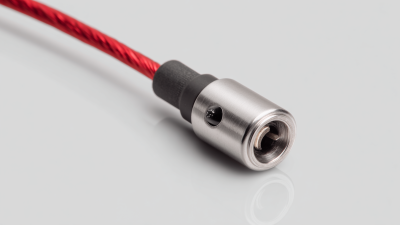
Braided steel CABLE LOCKs are popular for a reason: they can bend around posts, rails, and odd-shaped frames. The woven construction gives you practical flexibility and decent resistance for everyday stuff. Spiral cable locks coil up neatly, so they’re handy for quick trips and compact storage. Retractable ones add a spring-loaded mechanism that can make routine locking a bit faster. Loop-end cables pair well with separate padlocks, which gives you more control over the locking hardware. And some thicker cables come with protective sleeves that cut down scratches on paint and make handling nicer in wet weather.
Cable And Lock choices should fit the real environment, not just whatever the product label says. Look at cable diameter, coating quality, lock compatibility, and how reliable the key or combination system is. A heavier cable might feel safer, but it can also be a pain to carry every day. Convenience matters.
But that convenience can also fool you.
Cable locks are flexible security tools, but they’re not automatically right for high-risk spots. People with experience often pair them with stronger locking devices when valuable gear is left unattended. No single design solves every security problem. So review your habits, check the lock now and then, and replace it if the cable starts fraying, crushing, or corroding. Usually, a careful choice beats a fancy spec sheet.
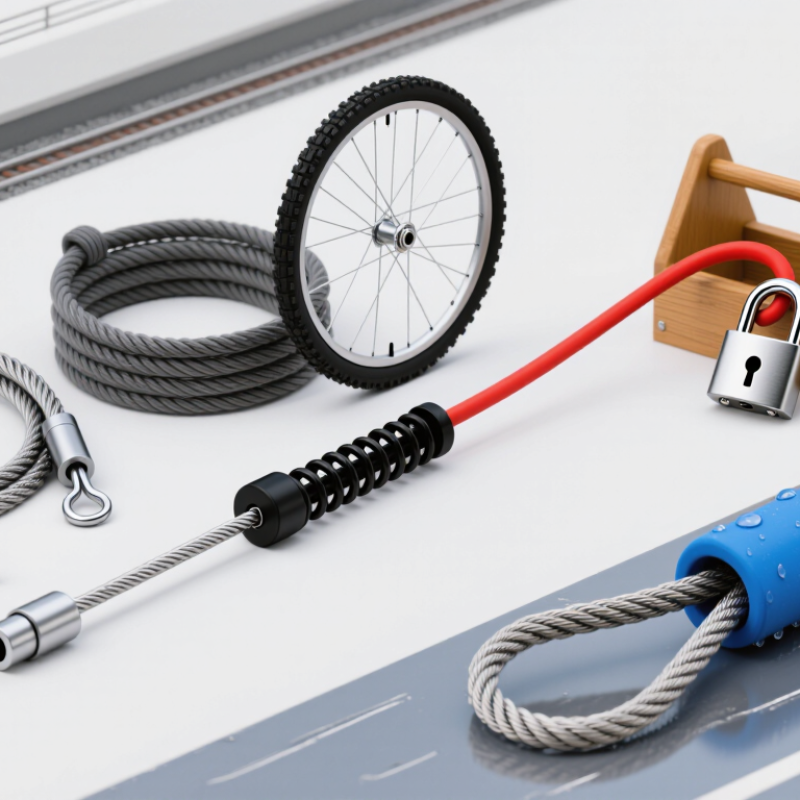
Cable locks are commonly classified by design: straight cable, coiled cable, looped cable, and retractable cable. A straight cable offers reach and flexible positioning around large frames or posts. A coiled model stores neatly and works well for bicycles or small equipment. Looped cables pass through several objects, while retractable versions reduce loose cable on a workbench. These designs suit bicycles, gates, tool cases, and temporary equipment control. Yet convenience can hide compromises.
Security classification depends on more than appearance. Inspect cable diameter, steel layering, coating, lock housing, and attachment points. Braided steel improves flexibility, while thicker cables generally resist cutting better. However, thickness alone proves little. A weak cylinder or poorly protected end fitting can reduce the whole lock’s value. Keyed locks may offer consistent operation in wet conditions. Combination locks avoid key management but require careful code handling.
For higher-risk locations, armored sleeves and hardened end components can add resistance, though they increase weight and cost. In my evaluation process, I compare the lock with the object it protects, not with promotional claims. A lightweight cable may suit a short café stop but remain unsuitable for overnight outdoor storage. That distinction is easy to miss. I have also underestimated portability: a secure lock that stays at home offers no real protection. Weather and placement matter, too.
Keyed cable locks offer reliable everyday protection when convenience matters. They work well for bicycles, scooters, gates, and outdoor equipment. A Bicycle Lock And Cable setup can secure a frame to a fixed rack without feeling bulky.
The key advantage is simple operation. Insert the key, turn the cylinder, and loop the cable around the frame and anchor point. Look for a coated steel cable with a firm, weather-resistant outer layer. The coating helps prevent scratches on painted surfaces. A compact lock body also fits easily inside a small bag.
Cable thickness matters, but so does the locking cylinder. A well-built cylinder should resist dirt, moisture, and repeated use. Test the key before leaving home. A stiff keyway can become frustrating on a rainy morning. I once chose a lock mainly for its light weight, then found the cable too short for some racks. That was a useful mistake.
For daily use, check the cable for crushed sections, loose coating, or rust near the lock. Replace damaged parts instead of trusting familiar equipment forever. Keyed cable locks are not the heaviest security option, but they provide practical protection for short stops and low-risk areas. Keep the spare key somewhere secure, and avoid wrapping the cable tightly around sharp edges.
What Are the Top Types of Cable Locks?
Combination Cable Locks for Key-Free Convenience
Combination cable locks offer simple, key-free access for bicycles, gates, luggage, and outdoor equipment. Users set a numerical code, then release the locking mechanism without carrying a key. This feels convenient during a busy commute or a wet afternoon ride. A flexible steel cable can also wrap around posts, rails, and irregular objects.
Choose a lock with a thick, coated cable and clearly marked number wheels. The coating helps reduce scratches on painted frames. A smooth dial matters too, especially when fingers are cold or dirty. Before buying, check the cable length and locking diameter. A short cable may not reach a wide post. That small mistake is common.
A combination lock still has limits. It mainly discourages casual theft, not determined attacks. Avoid easy codes, such as birthdays or repeated numbers. Reset the code in a private place and test it several times before securing valuable equipment. Keep the wheels clean and dry, because grit can make them stiff. One practical detail is easy to overlook: photograph the instructions after setting the code. Memory can fail. For better protection, pair the cable with a strong fixed anchor and store it off the ground when possible.
| Type of Cable Lock | Locking Mechanism | Typical Cable Diameter | Key-Free Convenience | Typical Security Level | Best Uses | Main Advantages | Limitations |
|---|---|---|---|---|---|---|---|
| Resettable Combination Cable Lock | Three-, four-, or five-digit number wheels with a user-set combination | Approximately 3–12 mm | Excellent | Basic to moderate, depending on cable thickness and lock construction | Bicycles, lockers, luggage, gates, toolboxes, and personal equipment | No key to carry or replace; the combination can normally be changed | Combinations can be forgotten; thin cables may be vulnerable to cutting |
| Fixed Combination Cable Lock | Pre-set number combination that cannot normally be changed | Approximately 3–10 mm | Excellent | Basic to moderate | Shared equipment, short-term use, travel bags, and low-risk storage | Simple operation and no key management | A compromised combination cannot be replaced; fewer customization options |
| Keyed Cable Lock | Pin-tumbler or similar cylinder operated by a physical key | Approximately 4–15 mm | No | Basic to high, depending on the cylinder, cable, and protective features | Bicycles, outdoor equipment, cabinets, and property requiring controlled access | Can provide stronger access control and avoids remembering a combination | Keys can be lost, copied, or damaged; replacement keys may be required |
| Retractable Cable Lock | Spring-loaded cable housed in a compact body, secured by a key or combination | Approximately 1.5–5 mm | Often available | Basic | Briefcase zippers, displays, small accessories, and light-duty travel security | Compact, lightweight, and easy to store; the cable retracts automatically | Usually uses a thinner cable and shorter length, limiting resistance to cutting |
| Loop-End Cable Lock | A lock body secures two cable loops around a fixed object or through an item | Approximately 5–20 mm | Available with combination or keyed mechanisms | Moderate, depending on cable construction and lock body | Bicycles, patio furniture, ladders, generators, and outdoor equipment | Flexible attachment points and useful length for securing multiple objects | Requires a suitable anchor point; exposed cable remains a potential attack point |
| Armored Cable Lock | Flexible inner cable protected by overlapping metal sleeves or armored segments | Approximately 10–25 mm overall diameter | Keyed and combination versions are available | Moderate to high for general-purpose cable locking | Bicycles, motorcycles, gates, outdoor machinery, and higher-value equipment | Greater physical protection and a larger visible deterrent than a plain cable | Heavier and less flexible; the locking system and end fittings still determine overall security |
| Adjustable-Length Cable Lock | Locking head clamps the cable at a selected length, often with a combination dial | Approximately 3–10 mm | Excellent when combination-operated | Basic to moderate | Fences, luggage, sports gear, strollers, and irregularly shaped items | Length can be adapted to different objects; convenient for everyday use | Clamping components require correct engagement; not ideal for high-risk locations |
| Multi-Item Cable Lock | One cable passes through several items before closing with a single lock body | Approximately 5–12 mm | Available with combination or keyed mechanisms | Basic to moderate | Several bicycles, skis, helmets, tools, or pieces of outdoor equipment | Secures multiple items with one locking point and reduces the number of locks needed | All protected items depend on one lock; the cable must be long enough for the arrangement |
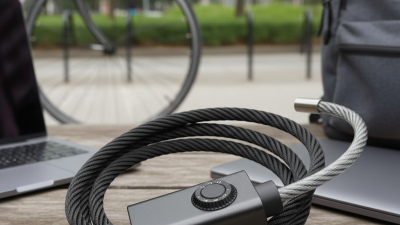
Coiled cable locks are practical when storage space matters. Their spiral design compresses easily inside a backpack, drawer, or bicycle pouch. I have used one during short city rides and found the flexibility helpful around narrow posts and awkward rails. The cable can stretch across a frame, wheel, or gate without feeling rigid. It is lightweight, too. That convenience comes with a trade-off. A coiled cable lock generally offers less resistance than a thick, hardened chain or shackle. It should support everyday security, not create false confidence.
When choosing a China Cable And Lock product, inspect the cable diameter, coating, locking cylinder, and return mechanism. A weather-resistant coating helps prevent scratches on painted surfaces. The key should turn smoothly, even after dust collects around the lock body. Measure the usable length before buying. An overly short cable may force poor positioning, while an extremely long one can become messy. I sometimes prefer a shorter coil because it stays controlled, though this choice is not perfect for every frame or post.
Tips: Loop the cable through the frame and the secured object. Keep the lock off the ground when possible. Check the coil for broken strands or crushed sections. Test the key before leaving home. A small inspection can prevent an inconvenient surprise.
Among common cable lock types, straight cable locks stand out for flexible, extended reach. A long steel cable can pass through two wheels, a frame, or awkward fixed points. This helps when a compact lock cannot align with the available anchor. In daily use, the cable is easier to route around crowded racks and narrow posts. It bends without demanding perfect positioning. That small convenience reduces rushed locking mistakes. Very practical.
Most reliable models combine braided steel strands with a weather-resistant coating. The coating protects painted surfaces and keeps the cable quieter against metal. Look for a reinforced lock head, smooth key movement, and a diameter suited to your security needs. A thicker cable usually resists cutting better, but it also weighs more and bends less easily. Check the stated length with the lock head attached. Advertised reach can feel optimistic. Good detail matters.
Straight cable locks work well for flexible access and lower-risk stops. They are not automatically equal to hardened shackles or heavy chain locks. A determined thief may attack the cable, especially when it remains loose and lifted from the ground. Keep the cable tight around the secured object, remove excess slack, and position the lock head away from easy access. I have learned that convenience can encourage careless placement. Recheck the anchor.
Heavy-duty cable locks serve a different purpose from light bicycle or luggage locks. They protect gates, generators, construction equipment, storage cages, and movable machinery exposed to repeated attack. The Bureau of Justice Statistics’ 2023 National Crime Victimization Survey recorded 23.5 property-crime victimizations per 1,000 households. That figure supports layered physical security, especially in unattended areas.
The strongest common types include braided steel cables, armored cables, and enclosed cable locks. Braided steel offers flexibility, while thicker armored designs resist crushing and bolt-cutter pressure more effectively. A weather-resistant coating protects hands and slows corrosion. However, diameter alone proves little. I would inspect the core, locking mechanism, end fittings, and independent test information before choosing one. Small details matter.
For high-risk locations, use a cable long enough to secure the asset tightly, but not so long that excess cable touches the ground. A hardened shackle, pick-resistant cylinder, and tamper-resistant housing add practical value. CISA’s physical security guidance emphasizes layered protection, not one device acting alone. Pair the lock with an anchored fixture, controlled access, lighting, and inspection records. OEM Cable And Lock programs can support tailored lengths, coatings, and keying options for industrial applications. Still, custom production needs documented testing. That step is sometimes overlooked. A heavy lock can create false confidence when the anchor point remains weak.
Cable locks usually come in braided steel, coated cable, loop, and retractable designs. Braided steel offers flexibility and reasonable resistance against casual tampering. A vinyl or rubber coating protects painted frames and furniture from scratches. Retractable models fit neatly into bags, but their thinner cables may provide less deterrence. Small details matter.
Match the lock to the object, location, and time it will remain unattended. A short loop works well for securing a tool case to a fixed rail. A longer cable can connect several items, such as bicycles, gates, or outdoor equipment. Check the cable diameter, usable length, lock body strength, and weather resistance. Combination locks avoid misplaced keys, while keyed locks often feel more precise and dependable.
In practical use, I test the cable around the actual anchor point before buying. A lock may look long enough online, yet fail around a wide post. I once chose portability over thickness, and the cable felt inadequate in a busy storage area. That assumption was wrong. For regular outdoor exposure, select corrosion-resistant materials and cover the locking mechanism. For unusual dimensions, a Custom Cable And Lock configuration may fit better. Still, custom sizing does not automatically mean higher security. A cable lock mainly deters opportunistic removal, so valuable equipment may need a heavier locking system and a protected anchor point.
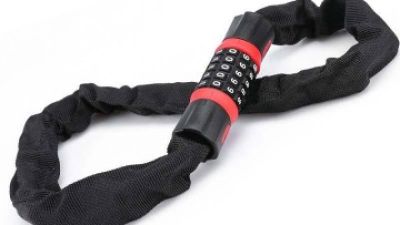
A reliable bike lock should be simple to use while providing dependable everyday protection. This 4-digit combination chain lock features a resettable code with 10,000 possible combinations, allowing you to choose a personal code without carrying a key. The combination can be reset easily when needed, and the straightforward design makes locking and unlocking convenient for daily commutes, quick stops, and outdoor activities.
Inside, the heavy-duty hardened steel chain offers sturdy support, while the zinc alloy lock cylinder is built for repeated use. A flexible polyester cover surrounds the chain to help reduce scratches on the bicycle frame and provide added protection against rust. The PVC case and dustproof cap help keep the lock components protected during regular outdoor use. With a cable size of approximately 5 or 6 mm in diameter and 1000 mm in length, the lock provides useful flexibility for securing a bicycle to suitable fixed objects.
Beyond bicycles, this versatile chain lock can also be used with motorcycles, scooters, gates, doors, and fences where a practical combination lock is suitable. Its keyless operation, durable construction, and flexible design make it a convenient choice for users who want a compact security solution that is easy to carry and operate.
Common designs include straight, coiled, looped, and retractable cables. Each serves different positioning needs. Choose carefully.
A straight cable reaches around large frames, wide posts, and awkward anchor points. It bends easily near crowded racks. Keep it tight.
Coiled locks store neatly and work well with bicycles or small equipment. Their compact shape fits bags easily. Reach can be limited.
Looped cables can pass through several objects before reaching an anchor. Retractable models reduce loose cable around workbenches. Convenience varies.
Inspect cable diameter, steel layering, coating, lock housing, and end fittings. A thick cable alone proves little. Weak components matter.
Keyed locks can operate consistently in wet conditions. Combination locks avoid misplaced keys but require careful code handling. Codes are easy to forget.
Consider the object, anchor, location, and unattended time. A short café stop needs less resistance than overnight outdoor storage. Risk changes everything.
Pass the cable through the frame and wheels when appropriate. Remove excess slack and keep the lock head away from easy access. Recheck the anchor.
A thicker cable generally resists cutting better, but it weighs more and bends less easily. The lock body may still be weak. I once chose portability over thickness, and that judgment failed.
Cable locks mainly deter opportunistic removal. Valuable equipment may need heavier hardware and a protected anchor point. No lock solves every risk.
Cable locks come in several designs, each suited to different security and convenience needs. Keyed cable locks offer dependable everyday protection and are useful when you prefer a traditional locking method. Combination cable locks eliminate the need for keys and provide quick, convenient access, while coiled cable locks are easy to carry and store because they take up less space. Straight cable locks offer greater reach and flexibility, making them practical for securing items across wider distances. For situations requiring stronger resistance and added durability, heavy-duty cable locks use thicker materials and more robust construction.
Choosing the right Cable And Lock solution depends on what you are protecting, where it will be used, and how often it must be transported. Consider the required cable length, portability, locking mechanism, weather exposure, and expected security level. A lightweight combination or coiled model may suit everyday travel, while a longer straight cable or heavy-duty design may be better for demanding environments.