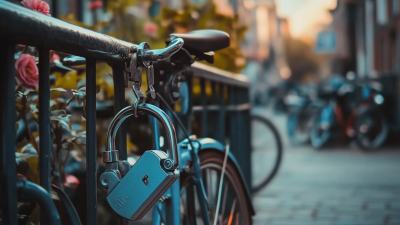
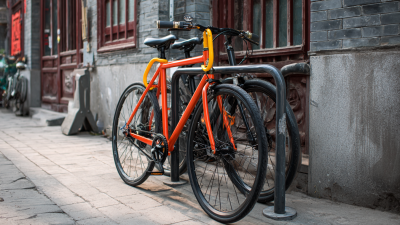
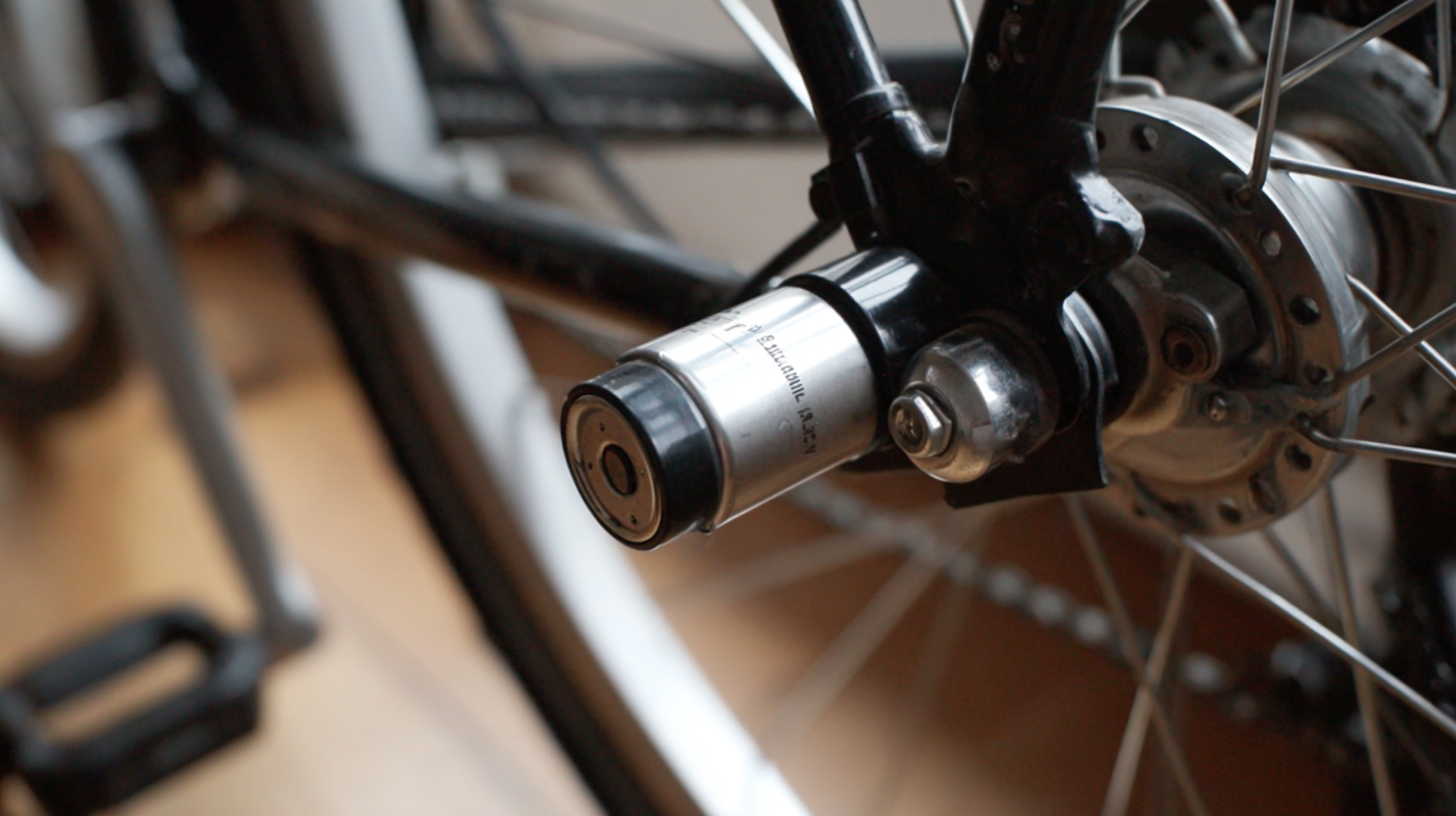
 In today’s fast-growing cities, where more and more people are hopping on bikes, having a solid security setup for your ride is more important than ever. Did you know that, according to the National Bike Registry, over 1.5 million bikes get stolen in the U.S. every year? Crazy, right? That’s why choosing a reliable lock isn’t just a good idea — it’s essential. As one of the top Bike Lock makers and suppliers in China,WENZHOU NURBO LOCK Co., LTD really gets how crucial smart security solutions are. We’re all about offering a one-stop shop experience and tailor-made OEM and ODM options, so you can find the perfect lock that fits your style and needs. In this guide, we’ll walk you through the different types of bike locks, what features they offer, and how they can keep your bike safe from thieves. That way, you can ride with confidence and peace of mind, knowing your ride is protected.
The Anatomy of Cycle Locks: Understanding Their Design and Functionality
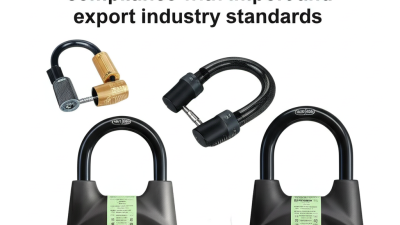
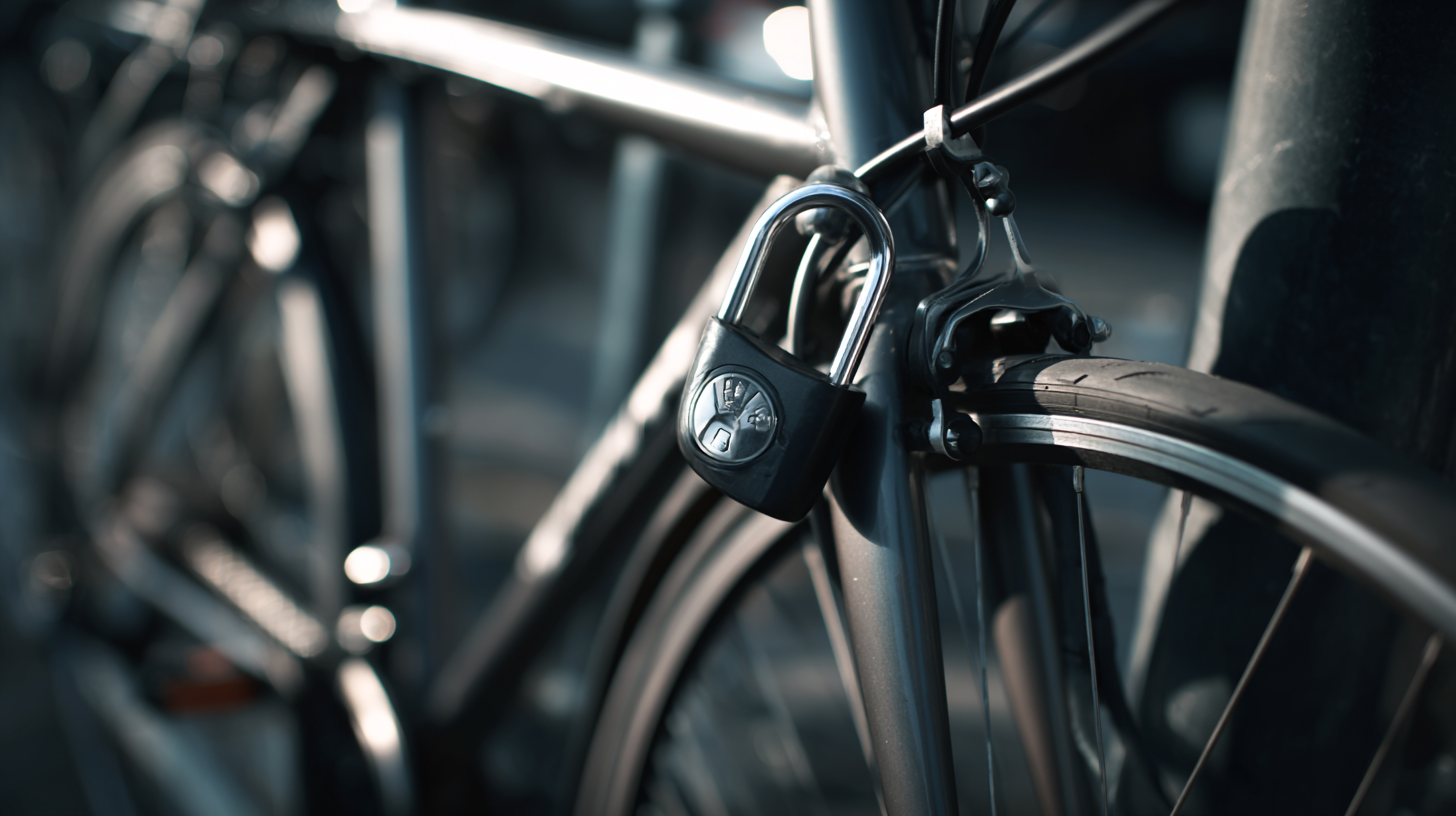 Bike locks are a pretty important part of keeping your ride safe from thieves. If you're into cycling, it’s good to understand how different locks work and what kinds are out there. You've probably seen U-locks—they’re generally considered the tough guys, made from hardened steel that really can’t be easily cut through. Then there are chain locks—more flexible, so you can lock up multiple areas, but yeah, they tend to be a bit on the heavy side. Folding locks offer a nice middle ground—compact enough to carry around but still decent in terms of security. That's why a lot of city folks seem to swear by them.
When you're picking out a lock, don’t forget to check what it’s made of and how it locks. Locks with double locking features add an extra layer of protection since they need to be engaged at two points to open. Also, it’s smart to go for one that's rated by independent security groups. Those ratings actually help you figure out how good the lock is at fending off the usual theft tools.
A few tips: Always try to lock your bike in busy, well-lit spots—that’s a simple trick to scare off potential thieves. Use a combination of locks—like one for the frame and another for the wheels—makes stealing your bike way more complicated. And oh, registering your bike with local authorities or online bike databases can seriously increase your chances of getting it back if it ever gets stolen.
Top 5 Types of Cycle Locks and Their Unique Security Features
When you're trying to keep your bike safe, picking the right lock is kind of a big deal. There are so many options out there, each with its own perks depending on how much security you need. For instance, U-locks, sometimes called D-locks, are super sturdy. Their solid, rigid design makes it pretty tough for thieves to cut through, and you can find them in all sorts of sizes to fit different bikes and locking preferences.
Then there’s the chain lock, which is nice because it’s both strong and flexible. Usually made from tough materials, these locks let you secure your bike to all kinds of sturdy objects. Some come with a protective sleeve to avoid scratching your bike, but they still offer solid resistance against cutting tools. On the lighter side, cable locks are easy to carry around—great for quick stops—but honestly, they’re not as secure if someone really sets their mind to stealing your bike.
And don’t forget about those folding locks — they’re kind of the best of both worlds. Easy to pack away, yet strong enough to keep your bike safe, thanks to their multiple links that can wrap around pretty much anything. All in all, each lock has its own level of security, so it’s important to think about where you’re parking and what kind of protection you really need before picking one.
Unlocking the Secrets: How Cycle Locks Safeguard Your Bike from Theft
7 Common Mistakes Cyclists Make That Leave Bikes Vulnerable
When it comes to cycling, a lot of enthusiasts, often without realizing it, end up making rookie mistakes that can really put their safety and enjoyment at risk. For example, one of the biggest errors I see is folks not properly securing their bikes. A bunch of riders underestimate just how important it is to use a solid, high-quality lock — instead, they rely on flimsy, cheap ones that a thief could just toss aside in no time. It’s honestly worth investing in a good lock and taking the time to learn the best ways to lock up your bike, making sure both the frame and wheels are safely secured.
Another common slip-up? Parking in shady, poorly lit spots or places that are kind of isolated. Many cyclists think that if they leave their bike in a busy area, it’ll be safe. But in reality, it’s better to choose well-lit, busy spots where theft is less likely to happen. And honestly, always trust your gut — if a place doesn’t feel right or looks sketchy, it’s probably better to look for another spot. Fixing these little mistakes can really cut down the chances of your bike getting stolen and make your rides a lot more worry-free.
Unlocking the Secrets: How Cycle Locks Safeguard Your Bike from Theft
| Common Mistakes | Impact on Security | Preventive Measures |
| Using a cheap lock | Easily broken or cut | Invest in high-quality locks |
| Locking to unsecured objects | Object can be broken or removed | Ensure the object is fixed |
| Locking only the frame | Wheels can be stolen | Lock both frame and wheels |
| Not registering the bike | Harder to recover if stolen | Register with local authorities |
| Leaving bike in the same spot | Predictability increases theft risk | Vary parking locations |
| Locking during peak hours | Higher chance of theft | Lock during off-peak hours |
| Ignoring lock maintenance | Lock may fail to open | Regularly check and maintain locks |
Best Practices for Using Cycle Locks Effectively to Prevent Theft
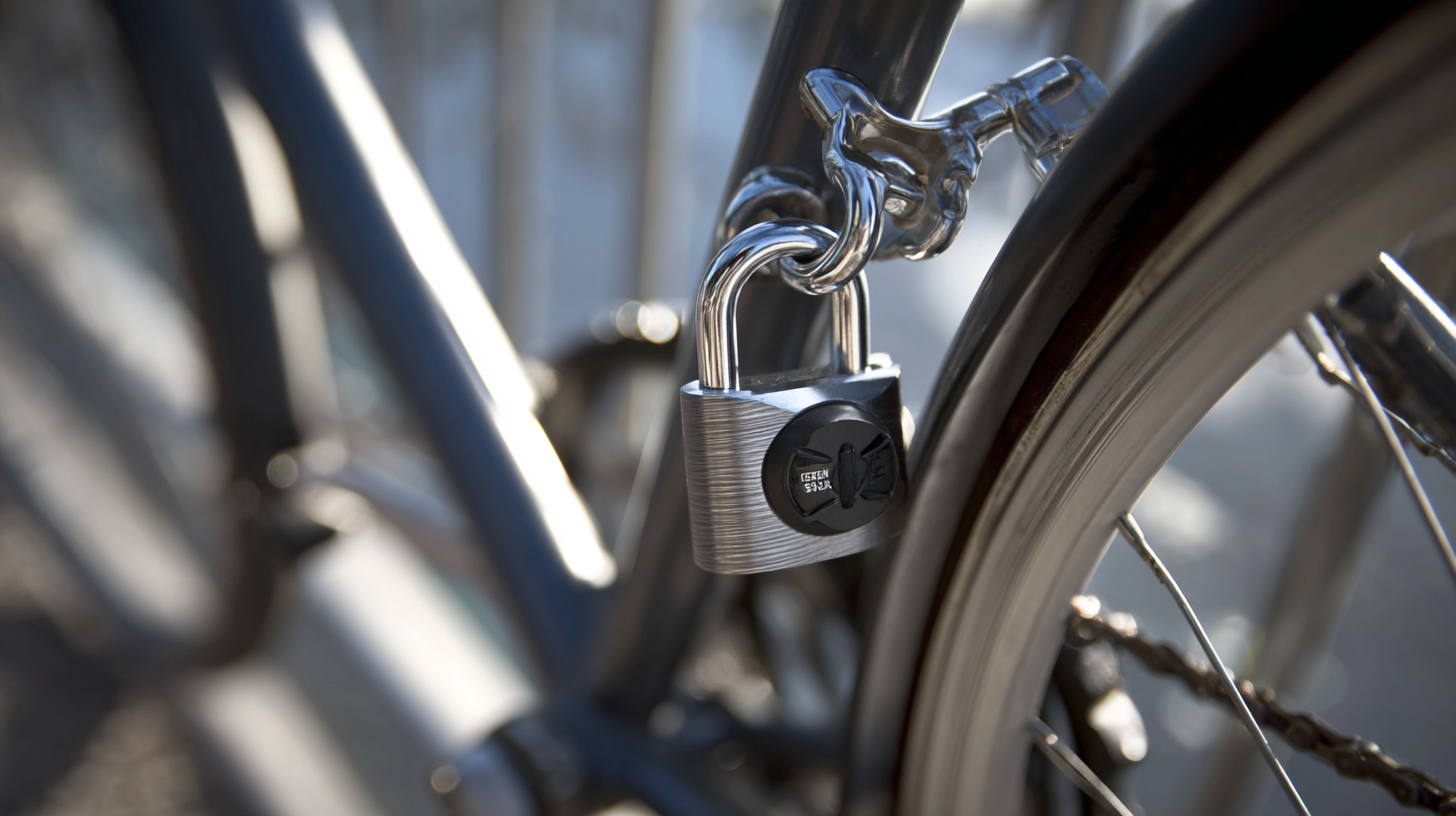 When it comes to keeping your bike safe from thieves, knowing how to use your locks properly really matters. Did you know that, according to the National Bike Registry, over 1.5 million bikes get stolen in the U.S. every year? That’s pretty shocking, right? So, locking up your bike the right way is super important for us cyclists. The type of lock you pick can make a big difference—U-locks are usually the top choice because they’re generally more secure and tend to fail less often. If you’ve got a good-quality chain lock, that’s a solid option too, especially if you want a little more flexibility in how you secure your bike to different poles or racks.
Here are some tips to lock your bike effectively: always try to lock both the frame and the wheels to a sturdy, immovable object like a bike rack. Take at least 30 seconds to do it properly—make sure the lock is snug and tight because a loose lock is a thief’s opening. Also, it’s smart to choose well-lit spots with lots of people around; thieves are less likely to mess with your bike if it’s in a busy, visible area.
Oh, and don’t forget to take off any easy-to-remove stuff like lights, bags, or accessories before locking up. The more you make it tough for someone to get at your bike or its parts, the less likely you are to end up heartbroken over theft. Follow these little tips, and you’ll boost your chances of keeping your ride safe and sound.
Comparing the Durability of Different Cycle Lock Materials
When you're trying to keep your bike safe, the material of your lock really makes a difference in how tough it is against thieves. Different materials can handle things like cutting, picking, or brute force attacks in their own ways. For instance, hardened steel locks are pretty much the gold standard—they’re super sturdy and do a great job resisting cutting attempts. Their tough exterior makes it a real pain for someone to use bolt cutters or saws without sweating buckets and taking up a ton of time. That said, not all steel locks are created equal; some might have weaker spots inside that clever thieves could exploit.
On the flip side, u-locks made from reinforced aluminum are usually lighter and easier to carry around every day, but they tend to be less resistant to attacks compared to steel ones. Then you've got nylon or composite locks, which are flexible and rust-resistant — great for some situations, but they can be cut through pretty easily if someone’s determined.
So, when you're picking out a lock, it’s a good idea to think about what material it’s made of. The right choice can boost your bike’s security and even scare off those shady folks looking for an easy target. Knowing the ins and outs of these materials really helps if you want to seriously protect your bike and not just hope for the best.
How to Choose the Right Cycle Lock for Your Needs and Budget
When it comes to keeping your bike safe, picking the right lock is a pretty big deal. With so many options out there, it helps to think about what you really need and how much you're willing to spend. For example, a U-lock is super sturdy thanks to its solid build, so it's a favorite among city folks. But, yeah, it can be a bit bulky and heavy—maybe not the best if you're after something lightweight. If portability is your thing, you might want to look into folding locks or chain locks—they give you some flexibility and are usually lighter, without sacrificing too much security.
Also, it’s smart to consider how secure your riding spots tend to be. If you’re often in areas that see a lot of bike thefts, investing in a high-security lock with a better grading makes total sense. But if mostly riding around safe neighborhoods, a cheaper option could do the trick. Just make sure to find that sweet spot between price and security features—like whether it’s a key lock or combo, plus checking out warranty and customer reviews. Knowing how you ride and how risky the neighborhood is will help you pick the best lock to keep your bike safe and sound.
FAQS
: The different types of cycle locks include U-locks (D-locks), chain locks, cable locks, and folding locks, each offering unique features tailored to various security needs.
U-locks are known for their formidable strength due to their rigid structure, making it difficult for thieves to use cutting tools. They also come in various sizes to fit different bikes and locking methods.
Chain locks provide a combination of flexibility and strength, allowing cyclists to secure their bikes to a wider range of fixed objects. Many have protective sleeves to prevent scratches while maintaining resistance to cutting and sawing.
Cable locks are lightweight and portable, making them suitable for quick stops; however, they are generally less secure against determined thieves compared to other lock types.
Best practices include securing both the frame and wheels to a solid object, taking time to lock properly, and choosing well-lit areas with high foot traffic to deter thieves.
Cyclists can increase safety by removing easily detachable items before locking and ensuring that the lock is tightly fitted and not vulnerable to quick-cut tools.
Conclusion
If you're serious about keeping your bike safe from thieves, it's really helpful to understand how different cycle locks actually work. I mean, the world of bike locks can be pretty confusing, but this article breaks down the main types out there — the top five, to be exact — highlighting what makes each one special and who it's best for. We also look at some common pitfalls folks often fall into, those little mistakes that can leave your bike easy prey. Plus, you'll get useful tips on how to use your lock properly so that your bike stays secure. Oh, and we compare the durability of different lock materials, so you can choose one that fits both your needs and your budget without any stress.
By the way, WENZHOU NURBO LOCK Co., LTD is a big player when it comes to bike locks. They've got a wide variety of options backed by solid quality and reliability. Plus, with partnerships in 32 countries, they’re not just big — they also offer customized OEM and ODM services, making them a pretty great choice if you're looking for a lock that’s tailored to your specific needs. All in all, whether you’re a casual rider or a serious cyclist, these insights should help you pick the right lock and keep your bike safe out there.