In today’s digital world, keeping your sensitive data safe has become more important than ever. I mean, a breach or unauthorized access can really mess things up—not just financially, but also when it comes to your reputation. Recent industry reports are pointing out that the global market for data encryption is expected to hit around $3.9 billion by 2026. That just shows how hot the demand is for solid security solutions, like Disk Lock technologies. Take WENZHOU NURBO LOCK Co., LTD, for example—they’re a well-known biCycle Lock manufacturer from China, but they’re not just about physical security. They’re also paying close attention to digital protection needs, which is pretty cool. With partners all over 32 countries and offering custom OEM and ODM services, Nurbo Lock really understands the importance of keeping your data secure from prying eyes. This guide is all about Disk Lock—think of it as a key piece in the puzzle to help you guard your valuable info from unauthorized access. So, if you want to stay one step ahead in this ever-changing security game, this is definitely worth a read.

The Importance of Disk Locking in Data Security
You know, disk locking really is a big deal when it comes to keeping data safe, especially these days with all the cyber threats out there and the risk of someone sneaking into sensitive info. We've seen quite a few recent stories where organizations got hit with breaches or even just accidental data loss because of auto-encryption setups. Because of that, having solid disk locking strategies in place is more important than ever. When you secure your crucial data by isolating disks and encrypting them, it makes it a lot harder for unauthorized folks to get to your stuff. It’s a proactive move—kind of like locking your doors—so you’re not just waiting around for something bad to happen. Not only does this help block outside attacks, but it also keeps human errors from causing chaos.
And let’s not forget those big, high-profile cases where tons of personal info was at risk. Locking down that kind of data really cuts down on vulnerabilities and helps protect a company’s reputation. Plus, taking things a step further with advanced encryption adds another layer of security that’s pretty hard to crack. As cyber threats keep getting more sophisticated, it’s essential for organizations to understand and implement strong disk-locking methods if they want to keep their data safe and sound. Trust me, it’s one of those things where a little extra effort can go a long way in keeping everything secure—and you definitely don’t want to be caught off guard.
How Disk Lock Works to Prevent Unauthorized Access
You know, Disk Lock technology really plays a big part in keeping sensitive data safe from prying eyes, especially now, with cyber threats popping up left and right. Just look at the 2022 Cybersecurity Breaches Survey—around 39% of businesses got hit by a cyber attack. That just goes to show how urgent it is to have solid security measures in place. Basically, Disk Lock works by encrypting data when it’s stored—so if your device ever gets lost or stolen, the info stays locked tight and isn’t accessible without the right credentials. It uses pretty advanced encryption algorithms like AES-256, which are pretty much the gold standard for keeping confidential info secure.
And if you’re wondering how effective it really is, the Ponemon Institute’s report says organizations that use full-on data protection tools, including Disk Lock, see about a 30% cut in the costs related to data breaches. It’s not just about security—this tech also helps companies stay compliant with rules like GDPR and HIPAA, which have strict data protection requirements. So, in a nutshell, installing Disk Lock is a smart move for businesses that want to protect their assets from unauthorized access and dodge the hefty financial hits that can come with a data breach.

Common Types of Disk Locking Mechanisms Explained
Disk locking mechanisms are really important when it comes to keeping sensitive data safe from people who shouldn’t have access. One of the most common methods is software-based disk encryption, where you use algorithms to scramble data on a disk so that it’s unreadable unless you have the right password or key. Full disk encryption, or FDE, is especially effective because it covers the entire drive. So, even if someone physically takes the disk out of a device, the data stays protected. You’ll find this kind of setup pretty often, whether it’s in personal gadgets or big corporate systems, where protecting data really matters.
On the hardware side, there are also physical security options—devices designed to lock down drives. These can include self-encrypting drives (SEDs) that automatically encrypt data as it’s written, saving you the hassle. Some systems even use Trusted Platform Module (TPM) chips, which securely store the encryption keys. When you combine these different tricks, organizations can build pretty strong barriers against data leaks. Basically, even if someone gets their hands on the hardware, they’re not getting into the sensitive info without the right access.
Best Practices for Implementing Disk Lock Solutions
Implementing disk lock solutions is so important if you want to keep sensitive data safe from prying eyes. First off, organizations really need to pick the right encryption tools—stuff like BitLocker for Windows or FileVault if you're on a Mac. These aren’t just about encrypting data; they’re about making sure only the right people can access the drives. That way, you’re cutting down those nasty data breaches. Oh, and don’t forget—keeping those encryption keys secure and only accessible to trusted folks is a huge part of the puzzle for protecting your info.
Another thing: regularly checking and updating your disk lock setup is a must. Things change, threats evolve, so it’s smart to review your security measures from time to time. Training employees on why disk protection matters and sharing best practices can really boost the team’s security vibe. Adding multi-factor authentication into your disk lock system? That’s like an extra layer of armor—making it even tougher for unauthorized users. By following these tips, organizations can better protect their sensitive data and dodge potential security headaches.
Understanding Disk Lock: Essential Guide to Protect Your Data from Unauthorized Access
| Aspect | Description | Best Practice |
| Definition | A security measure to restrict access to data disks. | Implement strong password policies for disk locking. |
| Types of Disk Lock | Software and hardware-based disk locking solutions. | Use both types for enhanced security. |
| Benefits | Protects sensitive data from unauthorized access and breaches. | Regularly review and update security measures. |
| Implementation Steps | Assess needs, choose a solution, and configure settings. | Conduct thorough testing post-implementation. |
| Potential Risks | Poorly implemented solutions can lead to data inaccessibility. | Ensure backup systems are in place before deployment. |
Potential Risks of Not Using Disk Lock for Sensitive Data
Not using disk lock mechanisms? Honestly, you're kinda risking exposing sensitive data to all sorts of dangers, especially with how complicated the digital world’s gotten lately. With cloud computing becoming the norm, organizations are facing new vulnerabilities—plus, human mistakes that bad actors can easily exploit. For example, a lot of healthcare data breaches are just plain old security flaws in disguise, which really drives home how important solid data protection strategies are. Putting a disk lock in place doesn’t just stop unauthorized folks from sneaking in; it’s also that first line of defense against data leaks—whether from internal blunders or external attacks.
And here's the thing: as companies bring AI tools into the mix, the risk of losing sensitive info skyrockets if you don’t have proper security measures in place. Without a disk lock, data can end up in the wrong hands, leading to serious breaches and wrecking reputations. Skipping on these safety steps? It can have pretty serious consequences—personal info could be exposed, causing long-term issues for individuals and organizations alike. Bottom line? You really need to understand and use disk lock features if you want to keep your critical data safe in today’s rapidly changing security landscape.
Understanding Disk Lock: Potential Risks of Not Using Disk Lock for Sensitive Data
Troubleshooting Common Issues with Disk Lock Technology
Disk Lock technology is pretty much essential when it comes to protecting sensitive info from getting into the wrong hands. That said, lots of folks run into common hiccups that can mess with how well it works. According to a report from Symantec, about 60% of organizations end up dealing with some kind of data breach because they didn’t have their data protected properly. That really highlights why it’s so important to keep your Disk Lock settings up to date and to troubleshoot any issues early on.
If you’re having trouble with your Disk Lock, make sure you’re checking for software updates regularly. Developers often roll out patches that fix security flaws, which helps keep your data safer. Also, don’t forget to double-check that your operating system supports the Disk Lock features you’re using—compatibility matters.
Tip: Always keep your encryption keys somewhere safe and backed up. Lose access to those keys, and you might end up losing your data forever—that’s a nightmare nobody wants to deal with.
It’s also a good idea to routinely review your disk lock settings and check the logs. Doing so can help catch any unauthorized access attempts early on. Keeping an eye on these details gives you a better shot at spotting vulnerabilities and making sure your data stays secure.
Tip: Consider setting up regular training sessions for employees on best practices for data security. It’s surprising how many accidental exposures happen just because someone wasn’t aware of the risks—so sharing knowledge can really make a difference.
Secure Your Ride: Why the Nurbo Outdoor U-lock with Chain is Essential for Motorcycle and Bicycle Safety
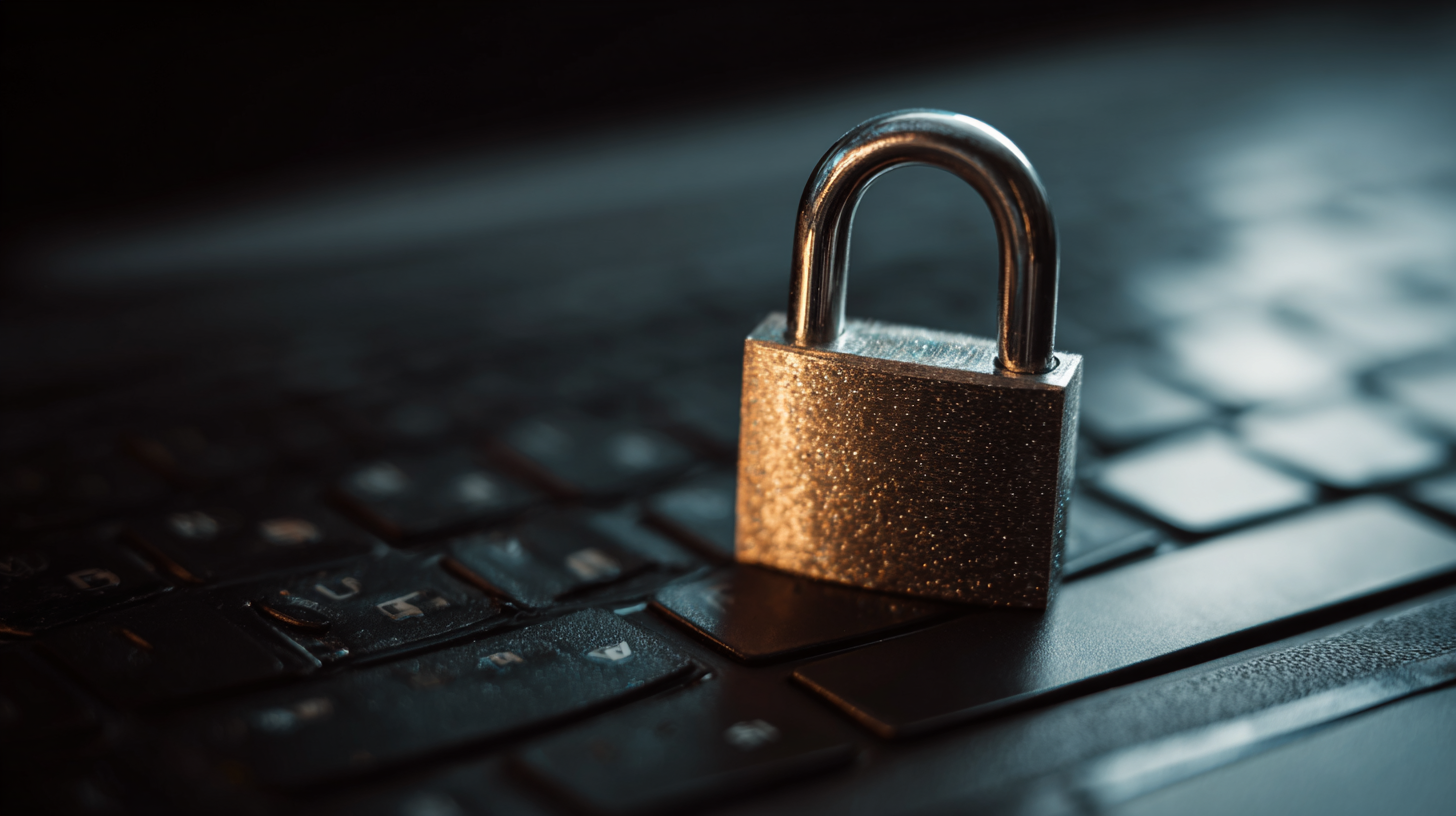
When it comes to securing your ride, the importance of a reliable locking mechanism cannot be overstated. The Nurbo Outdoor U-lock with chain stands out as a crucial tool for both motorcycle and bicycle enthusiasts, delivering unparalleled protection against theft. With a robust design featuring a zinc alloy lock cylinder and an ABS case, this lock ensures durability and resilience even in harsh weather conditions. According to recent industry reports, theft rates for bicycles and motorcycles have seen a significant increase, prompting the need for better security solutions among riders.
The U-shaped coated iron design of the Nurbo lock effectively resists cutting, sawing, and prying attacks, which are common methods employed by thieves. In fact, a survey conducted by the National Bicycle Dealers Association indicated that more than 50% of stolen bicycles are taken from public spaces, highlighting the necessity of using high-quality locks. Additionally, the Nurbo lock is equipped with two brass keys, making it convenient for users who require multiple access options while traveling or parking their vehicles in various locations.
Furthermore, the tough protective ABS cover offers exceptional weather resistance, preventing scratches and ensuring the lock remains functional and aesthetically pleasing over time. Its versatile design allows it to be used in multi-scene applications, providing peace of mind whether you're at a local café or on a long-distance ride. Investing in the Nurbo Outdoor U-lock with chain is not just about safeguarding your motorcycle or bicycle; it's about embracing a proactive approach to personal security in an increasingly uncertain landscape.
FAQS
: A common type of disk locking mechanism is software-based disk encryption, which uses algorithms to encrypt data on a disk, making it unreadable without the correct password or key.
Full disk encryption (FDE) secures the entire disk, ensuring that data remains protected even if the disk is physically removed from a device.
Hardware-based security includes self-encrypting drives (SEDs) that encrypt data automatically and Trusted Platform Module (TPM) chips that securely store encryption keys.
Implementing disk lock solutions is crucial for protecting sensitive data against unauthorized access and reducing the risk of data breaches.
Organizations should keep encryption keys secure and accessible only to trusted personnel to bolster overall data protection.
Organizations should evaluate disk encryption technologies, conduct regular audits, educate employees on security awareness, and incorporate multi-factor authentication.
Educating employees fosters a culture of security awareness, which is essential for protecting sensitive data and understanding current best practices.
Organizations should routinely assess their disk locking measures to ensure compliance with evolving security standards and address any vulnerabilities.
Multi-factor authentication enhances security by providing an additional layer of defense against unauthorized access.
Organizations can consider technologies like BitLocker for Windows and FileVault for macOS for effective disk encryption.
Conclusion
In today’s digital world, using Disk Lock technology is pretty much essential for keeping sensitive info safe from prying eyes. Basically, Disk Lock encrypts data on storage devices, so even if someone manages to get into the device, the data stays secure. Getting to know the different types of Disk Lock mechanisms and sticking to best practices can really boost your data security game. If you skip out on using Disk Lock, your critical data could be at serious risk of theft or vulnerabilities—that’s why it’s so important for businesses to add these tools into their security plans.
At WENZHOU NURBO LOCK Co., LTD, we’re well aware that protecting physical assets and digital data are pretty much two sides of the same coin. Just like how Nurbo Lock offers tough solutions to secure bikes, using Disk Lock technology helps ensure your sensitive digital info stays safe too. By adopting these strategies, companies can better protect their assets and keep the trust of their clients—even with all the crazy threats out there nowadays.