Picking out the right lock for your bike is super important if you wanna keep it safe. According to a report by the National Bicycle Dealers Association, more than 1.5 million bikes get stolen in the U.S. every single year. Crazy, right? That really shows why investing in a solid lock is a smart move. A good quality lock can really scare off would-be thieves and, honestly, just give you some peace of mind when you're out riding.
A lot of cyclists make the mistake of just going for the cheapest lock they can find. But honestly, spending a little more on a good lock can save you from the heartbreak of losing your bike. There was this study by Sold Secure that found U-locks are actually up to five times more secure than just regular cable locks. So, knowing what features to look for and what the different ratings mean is super helpful.
Of course, it’s tempting to just grab whatever lock is popular or looks cool, but it’s really better to think about your own situation. Not every lock works for every bike or lifestyle, so consider what you actually need. Listening to other people’s experiences and reading reviews can really give you a leg up. At the end of the day, the security of your bike totally depends on the lock you pick. Don’t overlook this part—it’s kinda a big deal.
Understanding the Importance of a Good Bike Lock for Security
A good bike lock is essential for preventing theft. According to a study by the National Bike Registry, around 1.5 million bicycles are stolen each year in the United States. This alarming number underscores the need for effective security measures. Many cyclists underestimate the importance of a reliable lock. A sturdy lock can deter thieves and protect your investment.
Choosing the right bike lock involves understanding security ratings and materials. The most secure locks often use hardened steel. U-locks typically outperform chain locks in terms of strength. Additionally, locks with a high security rating, such as those rated by Sold Secure, offer better protection. However, even the best lock has its limitations if misused or improperly installed. A lock's effectiveness diminishes if left unattended in high-risk areas.
Most cyclists rely on the belief that a good lock is enough. Yet, studies show that a combination of vigilance and secure parking is crucial. Inadequate knowledge about lock options leads to poor choices. While a high-quality lock is an investment, it's only one part of securing your bike. Awareness and strategy in securing your bike matter just as much as the lock itself.
Types of Bike Locks: Characteristics and Security Levels
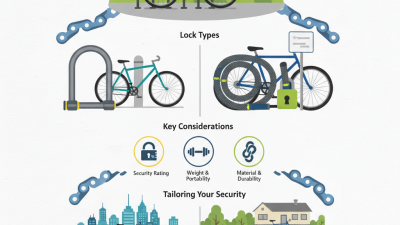
When selecting a bike lock, it's vital to understand the various types available and their security levels. U-locks are popular for their sturdy construction. They provide excellent security against cutting and leverage attacks. However, some users find them less convenient due to their bulkiness. A CHAIN LOCK can offer flexibility in securing different components, but it may not deliver the same level of protection as a U-lock.
Cable locks are lightweight and easy to carry, yet they are often less secure. They can be easily cut with wire cutters. For those in urban areas, a heavy-duty lock is advisable. It’s essential to evaluate your locking methods and frequently assess their effectiveness.
Tips: Always lock your bike in well-lit areas. Use two different types of locks for enhanced security. Remember, your lock should be as strong as the weakest link in your security chain. Investing in a reliable lock, such as a China Bike Lock Bike Lock, can ultimately protect your bicycle effectively. Think about your bike’s location and potential threats to tailor your security measures.
Key Features to Look for in a High-Security Bike Lock
When selecting a high-security bike lock, focus on several essential features. Look for locks that are made from hardened steel. This material offers significant resistance to cutting and sawing. A good lock should have a thick shackle. A shackle with at least 10mm thickness can deter opportunistic thieves.
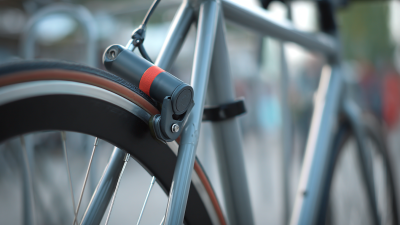
Consider the locking mechanism as well. Disc locks and U-locks often provide superior security compared to cable locks. Some locks come with anti-pick and anti-drill features. These add layers of protection. Additionally, it's beneficial to check for a security rating. Ratings can help gauge how resistant a lock is to theft.
While evaluating options, also reflect on your unique circumstances. For example, how often do you park your bike in high-risk areas? Your choice may vary based on usage. The OEM Bike Lock Bike Lock options often incorporate both style and reliability. Identify what works best for your needs.
How to Choose the Right Bike Lock Based on Your Needs
Choosing the right bike lock is crucial for securing your ride. With over 1.5 million bicycles stolen each year in the U.S. alone, selecting a lock that meets your needs is essential. Common types of locks include U-locks, chain locks, and folding locks. Each type offers varying levels of security and convenience.
When evaluating locks, consider your environment. If you often park in high-crime areas, opt for a U-lock with a higher security rating. A lock rated "Sold Secure Gold" is a recommended option, as it indicates durability and resistance against common theft methods. Conversely, if you occasionally bike in low-risk areas, a lighter chain lock may suffice.
Tips: Always lock your bike in well-lit, busy places to deter thieves. Use multiple locks for added security. A combination of a U-lock and a chain lock can provide a robust defense against theft. Balancing weight and security is essential; heavy locks may be cumbersome, but they often offer better protection.
If a lock does not fit your carry style, you might contemplate its effectiveness. Reflection on this aspect is key. Security is paramount, but practicality shouldn’t be overlooked. A compromise might lead to a bike being vulnerable without your awareness. Consider your daily routine when selecting a lock, ensuring you can consistently use it without hassle.
Top Brands and Models for Bike Security
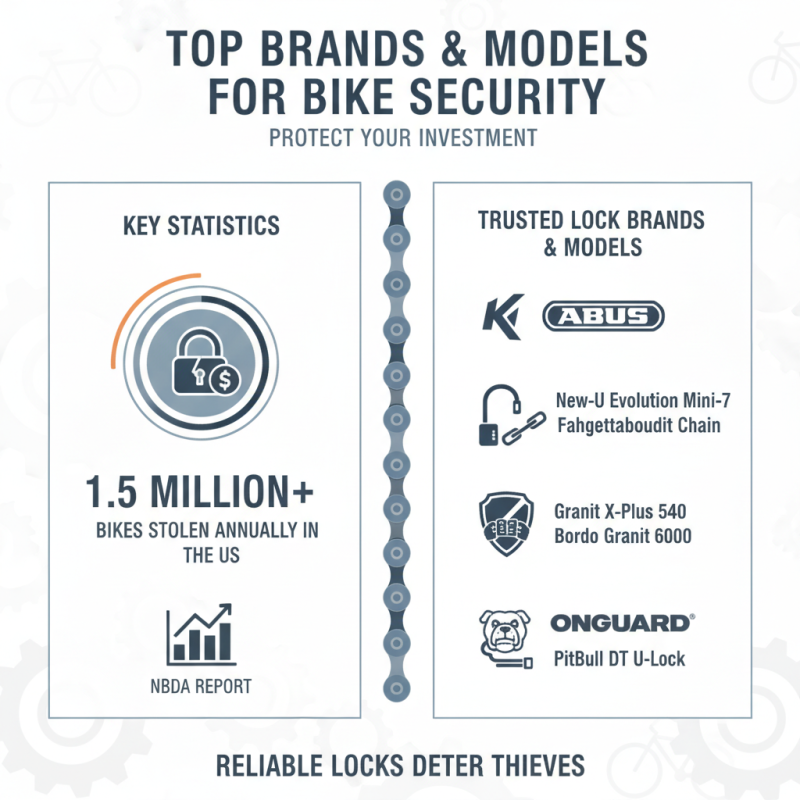
When selecting a bike lock for security, focus on top brands that have proven reliability. A report by the National Bicycle Dealers Association indicates that almost 1.5 million bikes are stolen each year in the U.S. Reliable locks can deter thieves significantly.
U-locks remain a favored choice among cyclists. Their robust design offers security not easily found in cable locks. Research shows that U-locks are less susceptible to cutting and leverage attacks. However, they can be bulky, which might not appeal to everyone. Custom bike lock options are available, allowing users to find the right balance between weight and strength.
Chain locks provide versatile security. They can secure multiple bikes together or attach to various fixtures. Some high-quality chain locks have specific protective coatings to prevent rust. But, they are often heavier and require extra caution against bolt cutters. Fit and ease of use also matter significantly. A lock may be secure, yet if it's inconvenient, it might not be used effectively, leading to vulnerabilities.
Tips for Properly Securing Your Bike with a Lock
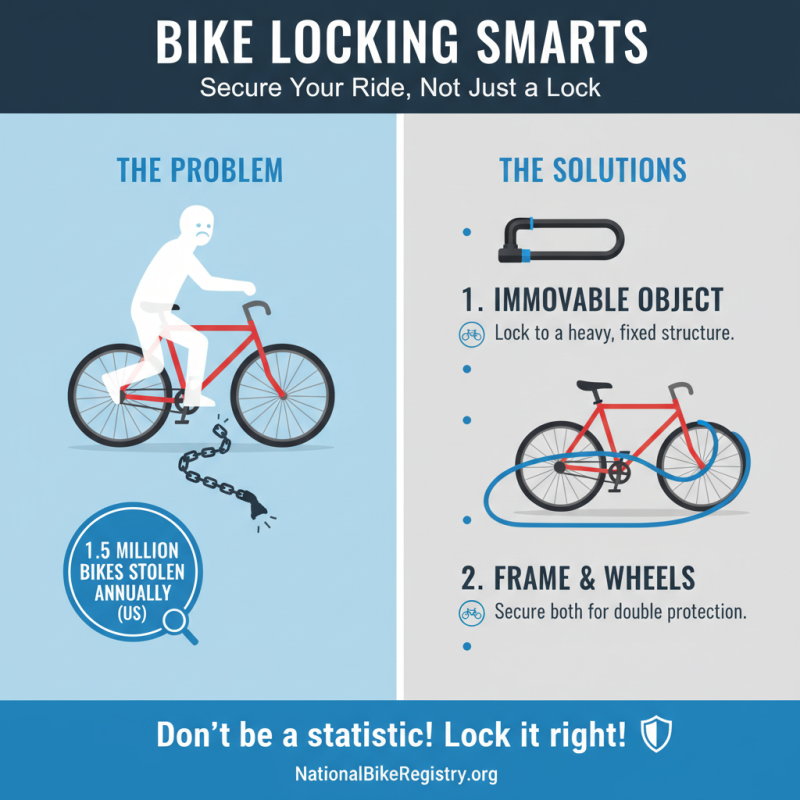
Securing your bike effectively involves more than just purchasing a lock; it requires understanding how to use it properly. A report by the National Bike Registry indicates that up to 1.5 million bicycles are stolen in the U.S. each year. This startling statistic highlights the crucial need for effective locking techniques. For instance, always lock your bike to an immovable object and ensure the lock secures both the frame and wheels. This position makes it harder for thieves to make quick escapes.
Choosing the right locking method is essential. U-locks are widely regarded for their reliability. However, over 60% of cyclists still prefer chain locks for their versatility. While these may offer flexibility, they can be bulkier and heavier to carry. The key is to find a balance between portability and security. One common mistake is leaving the lock exposed, as thieves often recognize this vulnerability. Using a Wholesale Bike Lock can mitigate this risk, but only if employed with proper technique.
Consider the environment where you park your bike. High-crime areas require more robust security measures. Always assess the location before securing your bike. A lock can only provide as much protection as the method of usage allows. Understanding this nuance can significantly reduce the chances of theft. Taking time to master these techniques may lead to a safer biking experience.
Common Mistakes to Avoid When Using a Bike Lock
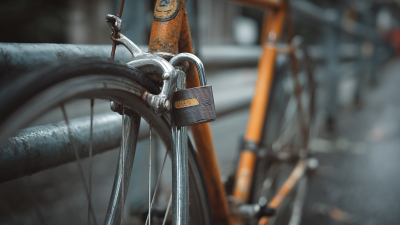
Using a bike lock may seem straightforward, but many overlook crucial details. One common mistake is securing the lock improperly. A lock that is not tightly fastened to the bike frame or locking mechanism can be compromised easily. Make sure to lock both the frame and a wheel to an immovable object. This way, thieves will have a harder time stealing your bike.
Another frequent error is using a chain lock that is too long. Long chains can hang down, making them easier to cut. Instead, choose a more compact option that minimizes exposed links. This limits access for potential thieves. Checking the lock regularly is also essential. Rust and wear can weaken it. Ensuring it operates smoothly helps maintain security.
Many bike owners fail to register their bikes. A registration can assist in recovery if it’s stolen. Keeping records of serial numbers can provide additional evidence in case of theft. These small oversights can significantly impact your bike's security. Reflecting on your locking habits can lead to smarter choices in protecting your bike.
Comprehensive Review: Wenzhou Nurbo Steel Cable Bicycle Lock with 2 Brass Keys for Ultimate Security and Convenience
When it comes to securing your bicycle, the choice of lock can significantly impact your peace of mind. The Wenzhou Nurbo Steel Cable Bicycle Lock is designed with safety and convenience in mind, making it an ideal solution for cyclists seeking reliable protection for their bikes. Featuring a zinc alloy lock body encased in durable ABS housing, this lock is not only robust but also aesthetically pleasing with its glossy finish. The included two brass keys ensure that your locking mechanism remains secure, providing you with confidence when leaving your bicycle unattended.
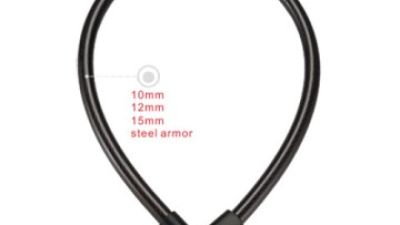
The flexible steel cable, measuring 12/15 x 800 mm, is specifically designed for multi-purpose use, allowing versatility whether you are locking your bike at a shop, a park, or your home. This cable lock is corrosion-resistant and scratch-resistant, which means it will maintain its integrity and appearance over time, even in various weather conditions. Available in multiple color options, it caters to personal style preferences while ensuring that security is never compromised.
With its strong and secure design, this lock is tailored to meet the demands of both casual and avid cyclists. Its combination of quality materials and thoughtful design features makes it a top choice for anyone looking to enhance the protection of their bicycle without sacrificing convenience.
FAQS
: A quality bike lock helps prevent theft, protecting your investment. About 1.5 million bikes are stolen annually.
Look for locks made of hardened steel. This material offers excellent resistance to cutting and damage.
A thick shackle, ideally over 10mm, and a reliable locking mechanism improve security. Anti-pick features add extra protection.
No. It’s vital to also be vigilant and park securely. A good lock alone won't guarantee safety.
Many secure only part of the bike. Always lock both the frame and a wheel to a fixed object.
Long chains can dangle and are easier to cut. Shorter chains reduce exposed links, enhancing security.
Regularly check your lock for rust and wear. Ensure it operates smoothly to maintain its effectiveness against theft.
If your bike is stolen, having it registered can help in recovery. Keep records of serial numbers for evidence.
Reflect on your locking practices regularly. Small oversights can notably affect your bike's security.
Yes, lock design matters too. Yet, prioritize functionality and reliability over aesthetics in your selection process.
Conclusion
When it comes to protecting your bicycle, choosing the right lock for the bike is essential to ensure its security. Understanding the importance of a good bike lock is the first step; it can significantly deter theft. There are various types of bike locks, each with unique characteristics and security levels, including U-locks, chain locks, and folding locks. Selecting a high-security bike lock involves considering key features such as material durability, locking mechanism, and portability.
To choose the right bike lock based on your needs, assess where and how often you park your bike. Additionally, familiarize yourself with tips for properly securing your bike, such as locking through the frame and wheels. Lastly, avoid common mistakes like using inadequate locks or forgetting to secure your bike in well-lit areas. By following these guidelines, you can enhance your bike's security and reduce the risk of theft.