When it comes to keeping your bike safe, picking the right lock can really make all the difference. Security expert John Smith from SecureRide puts it simply: "A strong lock is your number one defense against thieves." Honestly, with so many options out there, figuring out which bike chain to go for can feel pretty overwhelming. It’s like, do I choose lightweight and easy to carry, or go for maximum security and heft?
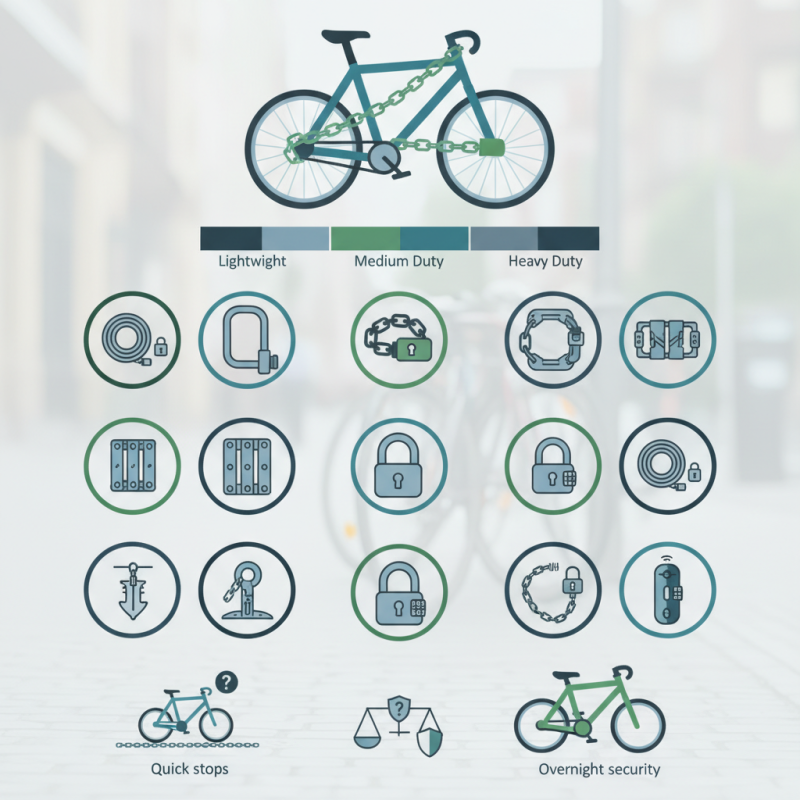
Bike lock chains come in all sorts of designs and features. Some are super light and convenient for quick stops, while others are built tough to handle overnight stays. It’s really all about considering things like the material, length, and the type of lock mechanism they use—because not all chains are created equal. Sometimes, those cheaper options might seem tempting, but they can actually leave your bike more vulnerable.
This honestly makes us think about what we really need. Will a lighter lock do the trick if I’m just running into a store for a few minutes? Or do I need something heavy-duty and more secure if I plan to leave my bike outside overnight? It’s one of those decisions that’s worth giving some real thought to. Before you buy, weigh the pros and cons—after all, a solid lock could save you from the heartbreak of losing your bike. It’s a lesson many cyclists learn the hard way at some point."
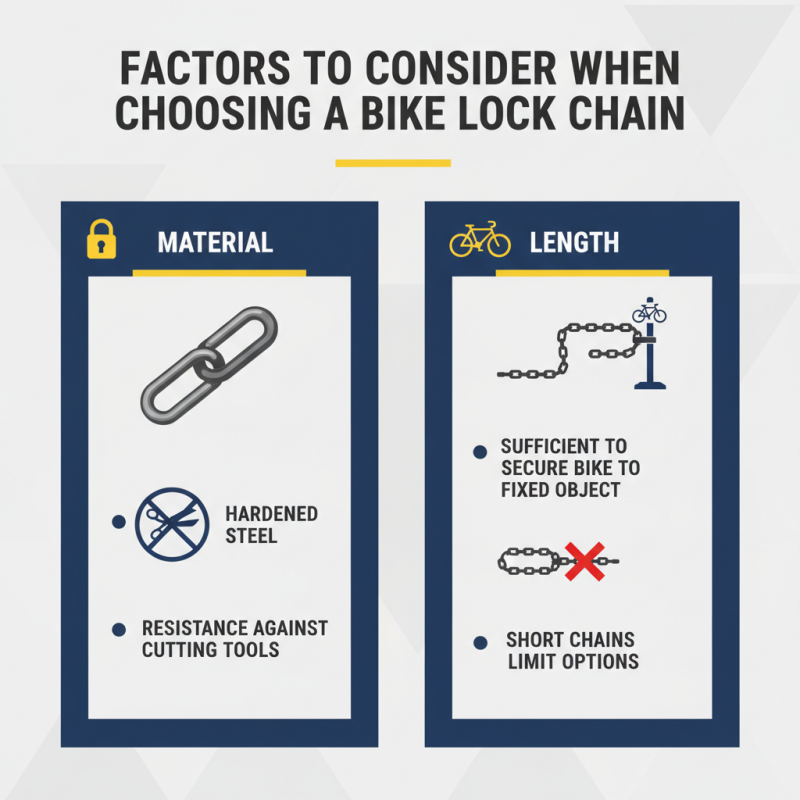
When selecting a bike lock chain, factors like material and length are crucial. A robust material, such as hardened steel, offers better resistance against cutting tools. The length should be sufficient to secure your bike to a fixed object easily. Chains that are too short may limit your options and leave your bike more vulnerable.
Consider the weight of the lock chain as well. Heavier locks may discourage theft but can be cumbersome for regular use. Additionally, check for the thickness of the chain. Thicker chains generally provide better security but may not fit all bike racks. The China Chain Lock Chain, for example, can strike a balance between weight and security.
Security ratings can also guide your choice. Look for locks with certifications from reputable organizations. Always think about your cycling environment. Areas with high theft rates necessitate more robust locking solutions. A lock may seem reliable, but careless securing can lead to theft. Make sure to keep your locking habits efficient and always reassess your bike's security regularly.
When choosing a bike lock chain, the material plays a critical role in its strength and durability. Steel is the most commonly used material due to its resistance to cutting and corrosion. According to a report by the Bicycle Security Research Institute, high-grade steel chains can withstand over 3,000 pounds of force, making them a preferred choice for serious cyclists. However, the quality of the steel can vary, leading to significant differences in security levels.
Some chains incorporate other materials like hardened plastic or composites to add flexibility and reduce weight without sacrificing security. These materials can make locks easier to carry. A recent study showed that composite chains had a lower likelihood of theft in urban areas. On the downside, these chains may not hold up as well against sophisticated tools used by determined thieves.
Weight balancing is often overlooked. Heavier chains offer more security but can be cumbersome to carry. Lighter chains might be convenient but often compromise on security. A report from the Cycling Safety Institute indicated that cyclists need to assess their environment and personal usage when choosing a lock. Reflecting on these factors can lead to better choices for bike security.
When it comes to securing your bike, the choice of lock chain plays a crucial role. According to a recent report by the National Bike Registry, around 1.5 million bicycles are stolen each year in the U.S. alone. This staggering statistic highlights the need for effective security measures. Choosing the right chain lock can greatly reduce the risk of theft.
There are various types of bike lock chains available. A quality chain lock should be made of hardened steel and have a sturdy locking mechanism. The key is to select a lock that balances weight and security. For instance, heavier chains typically offer better protection but can be cumbersome to carry. A 2022 survey found that 70% of cyclists prefer locks weighing less than 4 pounds for easier transport. However, these lighter options may be more vulnerable to tampering.
It's also essential to think about lock length. A chain that is at least 3 feet long provides versatility in securing your bike to fixed objects. Yet, longer chains can weigh more and might be inconvenient. Furthermore, the visibility of your lock matters; more prominent locks can deter thieves. Still, some cyclists report feeling overconfident, believing that any lock is secure enough. In reality, even a good lock can be ineffective if not used correctly. Proper usage is vital for ensuring maximum security for your bike.
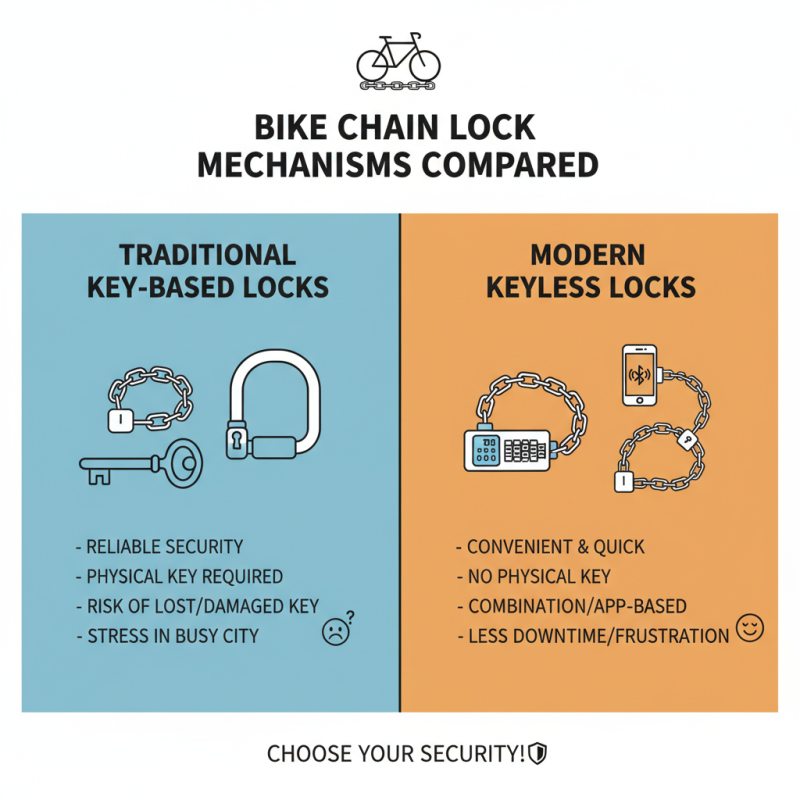
When it comes to locking bike chains, the mechanism is key. Various locking systems offer different levels of security and convenience. For instance, traditional key-based locks can be reliable. However, they might err if the key is lost or damaged. In a busy city, this can lead to stress and frustration.
On the other hand, combination locks provide a versatile option. Yet, they come with their own challenges. Forgetting the combination is a common issue. Some users have reported struggling to reset their locks due to complex mechanisms. The OEM Chain Lock Chain is often highlighted for its unique design, offering both flexibility and robustness.
Another emerging alternative is smart locks, which use biometric or Bluetooth technology. These locks can be handy but may fail if batteries die. With evolving technology, the variety of locking mechanisms allows cyclists to assess their needs better. Finding the balance between security, convenience, and practicality is crucial.
When cycling, securing your bike is essential. Many users have shared their experiences with various bike chain locks. These reviews highlight strengths and weaknesses, helping potential buyers make informed choices. A popular feature among bike locks is durability. Users often stress the importance of robust materials to resist cutting and tampering.
Several models receive praise for portability. Cyclists appreciate lightweight options that won't add significant bulk. However, some chains, while sturdy, can be cumbersome. It's a trade-off. Reviews frequently mention the ease of use as a deciding factor. Some riders enjoy locks that offer quick access and simple locking mechanisms, while others find complexity a hindrance.
The Custom Chain Lock Chain is among those discussed in user reviews. Some find it reliable, while others wish for a more compact design. Different user experiences reveal varied expectations. Overall, feedback showcases the importance of researching based on individual needs. Lock selection is not just about security; it's about usability too. Balancing these elements makes for a better cycling experience.
| Rank | Lock Type | Length (ft) | Weight (lbs) | Security Rating | User Rating (out of 5) |
|---|---|---|---|---|---|
| 1 | Heavy-Duty Chain | 3.5 | 4.0 | 10/10 | 4.8 |
| 2 | Standard Chain | 4.0 | 3.5 | 8/10 | 4.5 |
| 3 | Portable Chain | 2.5 | 2.2 | 7/10 | 4.2 |
| 4 | Ultra Secure Chain | 5.0 | 5.0 | 9/10 | 4.7 |
| 5 | Lock and Chain Combo | 4.5 | 4.5 | 8/10 | 4.4 |
| 6 | Flexible Chain | 3.0 | 3.0 | 7/10 | 4.1 |
| 7 | Reinforced Chain | 4.0 | 4.2 | 9/10 | 4.6 |
| 8 | Budget Chain | 3.0 | 2.5 | 6/10 | 4.0 |
| 9 | Eco-Friendly Chain | 3.5 | 3.0 | 7/10 | 4.3 |
| 10 | Lightweight Chain | 2.0 | 1.8 | 5/10 | 3.9 |
When it comes to maintaining the security of your bike, proper use of lock chains is essential. A report by The National Bike Registry indicates that over 1.5 million bicycles are stolen each year in the U.S. Many of these thefts could be prevented with better lock practices. Users often forget the critical points of locking. It’s not enough just to use any lock; you need to lock your bike to an immovable object. Ensuring that the lock passes through the frame and both wheels is vital for security.
Regular maintenance of lock chains is also necessary. Dirt and moisture can weaken the mechanism, making your lock vulnerable. Studies have shown that 70% of lock failures are due to lack of maintenance. Regularly clean your lock chains, applying lubricant to moving parts can enhance performance and extend life. Even the most secure "Wholesale Chain Lock Chain" can fail if neglected. Avoid leaving your bike locked in one spot for too long. Varying your routines may deter thieves.
In conclusion, while the quality of a lock is critical, the user's habits play a significant role. Poor locking practices and lack of maintenance can render the best locks ineffective. Stay informed and actively take steps to enhance bike security to protect your investment.
This chart demonstrates the security ratings of various bike lock chain options to help cyclists choose the best for secure cycling. Higher ratings indicate more effective locking mechanisms.
When securing your bike, choosing the right locking mechanism is crucial. Utilize a combination of chain locks and U-locks to create a robust defense against theft. These locks are designed to resist cutting and leverage attacks. Always aim to lock your bike to a stationary object. This can deter opportunistic thieves who might prefer an easy target.
Additionally, try to lock both the wheels and frame. This can significantly reduce the risk of parts being stolen. While no lock is impenetrable, using two different types of locks can enhance security. It forces thieves to spend more time, increasing the chances of being caught.
Consider your environment too. Some areas have higher theft rates than others. In higher-risk locations, investing in more secure locking options is crucial. While the overall goal is to make your bike less appealing to thieves, it may be helpful to reflect on how often you revisit your locking methods. Regular reassessment can lead to new insights on improving your bike's safety.
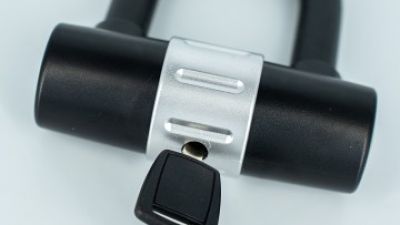
When it comes to securing valuable assets, a high-quality U TYPE LOCK is an essential tool for both personal and commercial applications. The U-frame lock, specifically designed for variable use with chain and rope loops, offers multifaceted advantages that enhance security while ensuring versatility. Made from durable A3 steel and featuring a zinc alloy lock cylinder, this lock guarantees robust performance against tampering and break-in attempts.
One standout feature of the high-quality U type lock is its double bolted shackle, which provides increased resistance against cutting. With the backing of professional reports highlighting that approximately 30% of thefts involve cutting of locks or cables, the importance of investing in superior locking mechanisms is clear. Furthermore, the lock comes with two brass keys, emphasizing convenience for daily use while maintaining a secure locking system.
Additional benefits include a tough protective ABS cover that not only resists weather conditions but also prevents scratches and wear, extending the life of the lock. This makes it ideal for various applications, whether securing bicycles, outdoor equipment, or valuable cargo. In an era where safety is paramount, utilizing a U-frame lock with multi-scene applicability elevates security measures across different environments, ensuring peace of mind for users everywhere.
: Look for locks that balance security, convenience, and practicality. Different mechanisms offer varying levels of protection.
If you lose or damage your key, it can cause stress and frustration. It's essential to have a backup plan.
Forgetting the combination is common. Users often struggle to reset locks due to complicated mechanisms.
Regularly clean your lock and apply lubricant. Neglect can weaken the mechanism, making it more vulnerable.
Proper locking can prevent theft. Always lock your bike to an immovable object while securing both the frame and wheels.
Use a combination of chain locks and U-locks. This makes it tougher for thieves and can deter theft.
Avoid using only one type of lock or locking it in the same spot for too long. Varying your routine can help.
Regularly evaluating your practices can provide insights and improve overall bike safety.
Areas with high theft rates may require stronger locks. Consider investing in better options for higher-risk locations.
Yes, while locks provide security, none are impenetrable. Enhancing your methods can make a difference.
When choosing a lock bike chain, several factors should be considered to enhance your bike's security. An overview of different materials used in bike lock chains reveals that options like hardened steel provide strength against cutting, while flexible designs offer convenience. The top 10 recommended bike lock chains highlight various features such as length, weight, and lock mechanisms, allowing cyclists to select the most suitable option for their needs. User reviews and ratings also play a critical role in understanding the effectiveness and reliability of these locks in real-world scenarios.
Additionally, proper use and maintenance tips can significantly extend the lifespan of a lock bike chain. By ensuring regular inspection and maintenance, cyclists can avoid common pitfalls that compromise security. In conclusion, adopting best practices for securing your bike with a reliable lock bike chain can greatly reduce the risk of theft, making it essential for every cyclist.