- Phone
- E-mail
- Whatsapp
- WeChat

Leave Your Message
China has really become a go-to place for sourcing bike safety gear—stuff like helmets, locks, lights, and reflective accessories. According to the China Bicycle Association, bicycle manufacturing and exports are just keepin’ on growing. And if you look at Fortune Business Insights, they say the global market for bike helmets hit around USD 1.07 billion in 2023. That’s a clear sign there’s strong demand out there. But hey, just because the market’s big doesn’t automatically mean you can trust every supplier out there.
The World Health Organization’s 2023 report on Road Safety mentions about 1.19 million people die every year in crashes around the globe. And cyclists? Yep, they’re still among the most vulnerable on the road. Dr. Jake Olivier, a researcher from the University of New South Wales, points out that, “The evidence is pretty clear—wearing a bike helmet really cuts down the risk of hitting your head.” So, picking a good helmet definitely matters. But honestly, no helmet is a magic fix—safe riding habits and solid product testing are just as important.
In this guide, we’re taking a closer look at Chinese suppliers for bike helmets and locks—basically, what to watch out for when buying. We’ll go over stuff like impact test results, how the retention straps are designed, what materials are used in the locks, their resistance to rust and corrosion, plus things like factory experience, sample quality, and the export paperwork. It’s also smart to check if their certifications—like CPSC, EN 1078, or AS/NZS 2063—match what’s needed in your country. Sometimes, a company might flaunt great certificates but still have trouble controlling batch quality—that’s a risk that’s easy to overlook. And don’t forget, photos can hide less-than-ideal features—like uncomfortable helmet interiors, stiff lock mechanisms, or uneven finishes. So, reliable sourcing basically means doing factory audits, getting independent inspections, and having clear specifications before you place big orders. Keep in mind, standards and materials are always evolving, so some recommendations might change over time. That’s why paying attention to those details really matters. Our goal here is to help buyers around the world make smarter decisions when choosing Chinese manufacturers—keeping in mind that price, compliance, durability, and after-sales service all need to be looked at together.
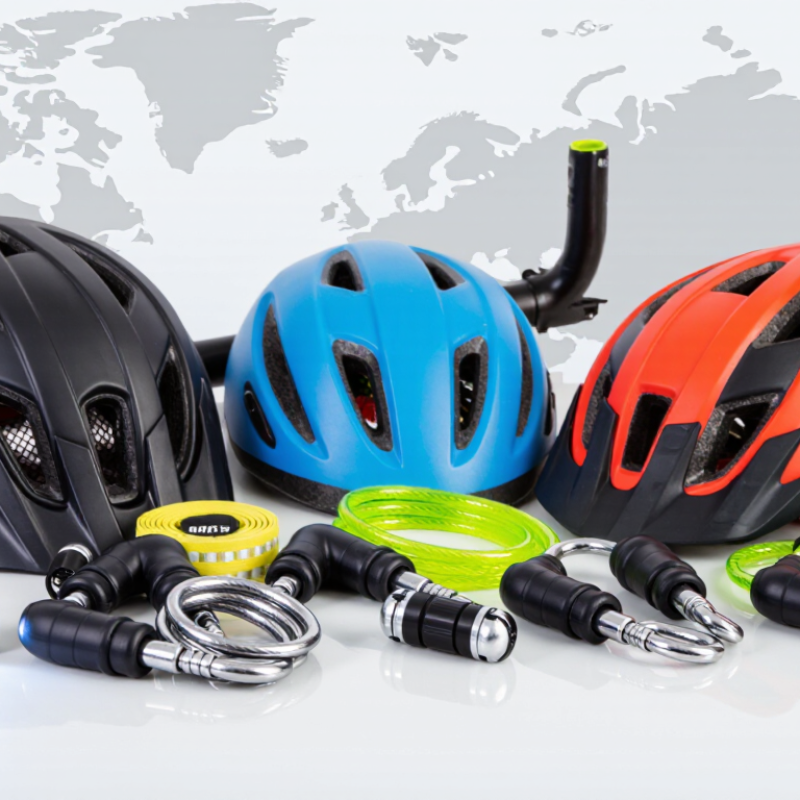
Chinese suppliers offer a broad range of bike helmets for different riding conditions. Urban commuter helmets usually feature lightweight shells, adjustable rear dials, and removable padding. Road helmets emphasize ventilation and low weight. Mountain bike models often include deeper rear coverage and stronger visors. Children’s helmets may use brighter colors, softer interior pads, and simpler adjustment systems. Buyers should request shell material details, size charts, sample inspections, and current test documentation before placing large orders.
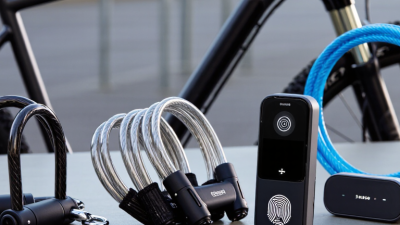
The Bike Lock And Helmetmarket also includes several practical lock designs. Cable locks are flexible and easy to carry, while U-locks provide a rigid structure for securing frames to fixed racks. Folding locks balance portability with wider locking space. CHAIN LOCKs offer length and flexibility, but their weight deserves attention. Some suppliers provide combination systems or electronic locking features, although battery life and weather resistance require careful checking. A useful sample test should include rain exposure, repeated locking cycles, key fitting, and frame contact marks.
Reliable sourcing depends on more than attractive photos. Ask factories about production records, material traceability, inspection procedures, and packaging strength. A helmet may look excellent but fit poorly after ten minutes of riding. A lock may feel solid yet become awkward inside a small backpack. These details are easy to miss. I would compare at least three samples, record defects, and clarify replacement terms in writing. Even then, judgment is not perfect; real user feedback may reveal weaknesses that factory checks overlook.
| Product Category | Common Product Types | Typical Materials | Key Features | Relevant Standards or Test References | Suitable Applications | Important Buyer Checks |
|---|---|---|---|---|---|---|
| Bike Helmets | Road cycling helmet | Expanded polystyrene (EPS) liner, polycarbonate shell, nylon straps | Lightweight construction, aerodynamic shape, ventilation openings, adjustable retention system | CPSC 16 CFR Part 1203, EN 1078, AS/NZS 2063, or other destination-market requirements | Road cycling, recreational riding, long-distance cycling | Head-size range, fit adjustment, shell bonding, strap strength, ventilation balance, certification for the target market |
| Bike Helmets | Mountain bike helmet | EPS or expanded polypropylene (EPP) liner, polycarbonate shell, molded plastic components | Extended rear coverage, visor, impact-absorbing liner, secure fit system | EN 1078, CPSC 16 CFR Part 1203, ASTM F1952 for applicable downhill products | Trail riding, mountain biking, all-terrain cycling | Coverage area, visor stability, retention-system performance, impact-test documentation, component durability |
| Bike Helmets | Urban and commuter helmet | EPS liner, ABS or polycarbonate shell, polyester or nylon webbing | Balanced ventilation, reflective details, removable padding, optional rear light provision | EN 1078, CPSC 16 CFR Part 1203, AS/NZS 2063, depending on the destination country | Daily commuting, shared-bike programs, city cycling | Visibility features, washable pads, comfort over extended use, packaging requirements, local compliance labels |
| Bike Helmets | Kids' bike helmet | EPS liner, polycarbonate or ABS shell, adjustable textile straps | Small head-size range, easy adjustment, stable buckle, bright color options | CPSC 16 CFR Part 1203, EN 1078, ASTM F1447, subject to market requirements | Children's bicycles, scooters, family recreational use | Age and size suitability, buckle pinch protection, retention test results, chemical and labeling requirements |
| Bike Helmets | Full-face bike helmet | EPS or EPP liner, polycarbonate or fiberglass-reinforced shell, removable interior padding | Chin-bar protection, greater facial coverage, ventilation channels, removable visor or pads | ASTM F1952 or other discipline-specific standards where applicable; verify intended-use certification | Downhill, gravity riding, high-risk off-road cycling | Chin-bar test scope, field of view, ventilation, weight, emergency pad removal, complete certification documents |
| Bike Locks | U-lock or D-lock | Hardened steel shackle, steel crossbar, protective polymer coating | Rigid structure, compact carrying size, resistance to cutting and prying attacks | Independent security ratings or test protocols may be used; confirm the exact test method and rating level | Urban parking, commuter bicycles, higher-security locations | Shackle diameter, internal locking width, cylinder design, corrosion resistance, key duplication policy, mounting bracket |
| Bike Locks | Cable lock | Braided steel cable, PVC or rubber coating, zinc-alloy or steel locking body | Flexible routing, lightweight design, convenient locking around frames and fixed objects | Security performance varies significantly by cable construction and diameter; request product-specific test evidence | Low-risk areas, accessory locking, short-duration stops | Cable diameter, tensile strength, coating quality, lock-cylinder reliability, resistance to corrosion and fraying |
| Bike Locks | Chain lock | Hardened steel chain links, textile sleeve, keyed or combination lock body | Flexible shape, longer locking reach, strong compatibility with posts and racks | Request chain-cutting, tensile, corrosion, and cylinder test data specific to the model | Multiple-bicycle locking, street parking, flexible security needs | Link thickness, chain length, sleeve abrasion resistance, total weight, rivet or joint quality |
| Bike Locks | Folding lock | Hardened steel plates, rivets, polymer casing, locking cylinder | Compact folded format, extended locking length, frame-mounting option | Security claims should be supported by a documented, model-specific testing procedure | Commuting, touring, storage where compactness is important | Hinge strength, plate thickness, rivet security, folded dimensions, carrying bracket stability |
| Bike Locks | Combination lock | Steel cable or chain, zinc-alloy or stainless-steel combination mechanism, protective coating | Keyless operation, resettable code on selected models, simple shared-use management | Confirm cycle testing, pull resistance, corrosion testing, and combination-mechanism reliability | Family use, rental fleets, schools, gyms, short-term parking | Number of digits, reset process, code security, weather resistance, lost-code management, packaging instructions |
| Bike Locks | Frame or wheel lock | Steel locking pin or shackle, reinforced housing, corrosion-resistant fasteners | Fast immobilization, compact installation, optional plug-in chain or cable compatibility | Verify model-specific attack resistance and compatibility with the bicycle frame and wheel size | Quick stops, secondary locking, bicycles with compatible mounting points | Mounting alignment, wheel clearance, pin or shackle strength, installation hardware, key access |
Bicycle theft remains a practical security concern, and the 2024 FBI Crime Data Explorer highlights why prevention should be part of every rider’s routine. While reported crime patterns can vary by location, unattended bicycles are often exposed when left in open areas, outside shops, or overnight. Choosing a strong lock, securing the frame and wheel to a fixed object, and parking in a visible, well-lit place can reduce opportunities for theft. Riders should also record their bicycle’s serial number and avoid leaving it unsecured for long periods.
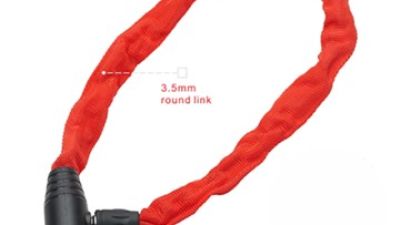
The SL7789 chain lock is designed for everyday bicycle protection with a heavy-duty hardened steel chain that helps resist cutting, sawing, and prying. Its brass cylinder includes two brass keys, while the protective polyester sleeve helps prevent scratches and shields the chain from moisture-related rust. A dust cover supports smoother key operation by keeping debris away from the cylinder. Available in 600 mm and 900 mm lengths, the lock can accommodate different frame sizes and parking situations.
Beyond bicycles, this versatile lock can secure motorcycles, scooters, skateboards, grills, ladders, doors, and lawn equipment. Its ABS case, multiple color options, and convenient key-operated design make it easy to carry and use during daily travel, at home, or in shared parking areas.
Check business registration, factory capacity, recent quality records, and traceability procedures. Request production photos and a live video inspection. A video call helps, but it is not proof. Order samples before approving production.
Request reports for impact absorption, retention strength, buckle performance, and field of vision. Each report should name the exact model, materials, size range, and production version. Confirm the laboratory’s accreditation remains valid. Old paperwork can mislead.
Seal an approved reference sample before manufacturing begins. During production, compare random cartons with that sample. Check shell thickness, foam density, strap stitching, buckle action, and padding consistency. A polished sample may hide factory variation.
Review tensile strength, corrosion resistance, key-cycle performance, and dust exposure results. Check cylinder movement, key alignment, coating durability, and final locking action. Test the lock repeatedly. A stiff mechanism is a warning.
Confirm destination-market safety standards, labels, warnings, tariff classification, and required documents. Ask a customs broker to review product descriptions before shipment. Helmet rules differ across markets. Do not guess.
Include drawings, tolerances, materials, packaging details, inspection rules, and defect remedies. Define replacement-part support and approved specifications. Avoid changing requirements through informal messages. Written details reduce arguments later.
Arrange an independent pre-shipment inspection after production finishes. Count cartons and photograph labels before loading. Compare random units with the sealed reference sample. Look for uneven padding, damaged packaging, stiff locks, and unfinished components. Small faults travel badly.
Use traceable commercial payment channels and keep test records, inspection photos, and production documents. Ask for corrective-action reports, including recurring buckle problems. A supplier admitting weakness may be more trustworthy than one claiming perfection. No checklist catches everything. Inspect random cartons again after arrival.
China offers a wide range of bicycle helmets and locks for global buyers, including road, mountain, commuter, children’s, and smart helmets, as well as cable, chain, folding, U-shaped, and heavy-duty locks. When selecting suppliers, buyers should evaluate material quality, safety design, production experience, testing procedures, factory capacity, and compliance with relevant international standards. Reliable manufacturers should provide clear product specifications, certification documents, inspection records, and samples for review before placing large orders.
To compare suppliers effectively, consider unit prices, minimum order quantities, customization options, packaging, lead times, and after-sales support. Buyers should verify factory information through audits, video inspections, sample testing, and independent quality checks. A safe importing process includes confirming contracts, payment terms, product labeling, shipping documents, and customs requirements in advance. With careful supplier verification and quality control, the Bike Helmet And Lock category can offer dependable products, flexible customization, and competitive purchasing opportunities for distributors and retailers worldwide.