Leave Your Message
0%

So, picking a bike lock helmet? It’s not just about looks. It can change how well your bike resists theft, how safe your head is, how comfortable you are day to day, and how confident you feel while riding. A decentHelmet Lock For Bike should hold the bicycle secure without digging into your head or letting the helmet shift around awkwardly.

The World Health Organization’s Helmets: A Road Safety Manual for Decision-Makers and Practitioners says properly worn bicycle helmets can cut the risk of fatal head injury by around 42% and serious head injury by about 69%. The U.S. National Highway Traffic Safety Administration counted 1,105 bicyclist deaths in 2022. Now, those numbers don’t prove that every integrated design is safer. But they do show why security and certified protection both deserve a close look.

Sheldon Brown, a well-respected bicycle technical authority, once wrote, “The best lock is one that is used.” That simple line still holds up. A heavy lock might resist cutting better, but if it stays in a café drawer, what’s the point? A compact one may come along every day, yet it might not stand up to determined tools. Small detail. Big consequence.

This guide compares ten Bike Lock Helmet options for buyers around the world. We look at lock construction, helmet certification, fit adjustment, weight, weather resistance, replacement support, and visible security features. And yeah, product claims should be checked against standards like EN 1078, CPSC, or AS/NZS 2063, depending on where you’re buying. No ranking is perfect. You still need to think about your route, how long you park, your climate, and how much theft risk you face. That kind of reflection isn’t always comfortable, but it’s necessary.
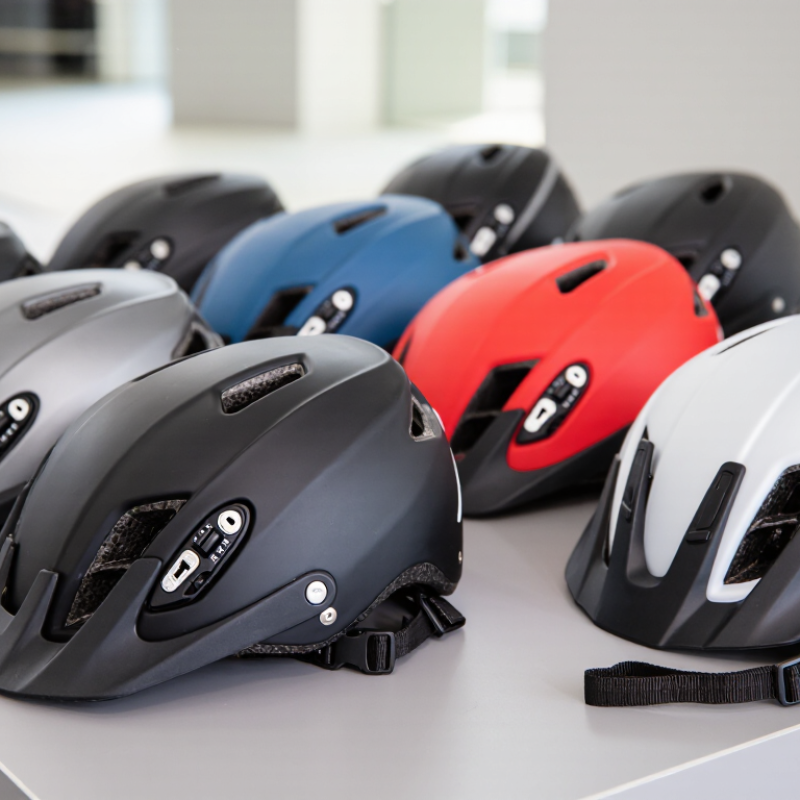
Top 10 Bike Lock Helmet Options for Global Buyers?

What Defines a Bike Lock Helmet?

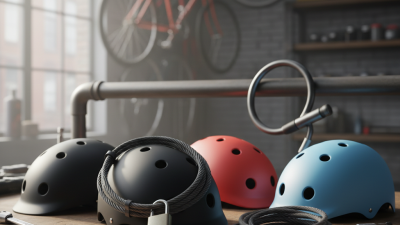
A Bike Helmet And Lock combines head protection with a built-in security feature. Its helmet shell protects the head during everyday cycling, while an attached cable, strap, or compact locking mechanism helps secure the helmet to a bicycle. The lock is usually designed for short stops, not high-risk parking areas. That difference matters.

A well-designed option should fit firmly without pressure points. Look for adjustable straps, stable coverage, breathable padding, and clear safety certification for your market. The locking part should resist casual tampering, remain easy to operate with cold fingers, and avoid sharp edges near the neck. A visible locking system can also discourage opportunistic handling. Still, convenience can create compromises. Extra hardware may add weight, affect balance, or make cleaning more difficult.

Check the hinge, cable, and release button before every ride. Small cracks, loose stitching, or a jammed mechanism deserve attention. Do not treat the lock as a substitute for a separate biCycle Lock. It offers limited protection. A practical fitting test is simple: shake your head gently. The helmet should stay in place. Then test the lock beside your bicycle, preferably in daylight. Some products seem clever in a shop but feel awkward after rain, dust, or repeated use. That is worth questioning.

Key Security and Safety Criteria for Global Buyers

Choosing among the top 10 bike lock helmet options requires more than comparing prices. Security starts with the locking mechanism, hardened metal, and resistance to cutting or prying. A compact shackle may protect a helmet well, but it may not fit every rack. Flexible cables reach awkward frames, although thinner cables usually offer less resistance. Check the lock’s independent test information, not only marketing claims. Weather matters too. Rain, dust, and winter salt can damage poorly sealed mechanisms. A key should turn smoothly while wearing gloves. Small details matter.

Safety remains equally important. A helmet lock should secure the helmet without crushing its shell or blocking ventilation. Never drill, cut, or permanently alter protective equipment. Look for a design that attaches around approved openings or a strong external strap. Confirm the dimensions before ordering, especially when buying internationally. Product measurements can be confusing across inches and centimetres. Replacement keys, spare parts, and warranty support may also differ by region. Verify local import rules and accepted payment protections. Independent safety standards are useful, but they do not guarantee theft prevention. A public rack still needs a sensible location and brief parking time.

One practical check is simple. Fit it before paying. A lock can be secure yet inconvenient, and inconvenience often leads to careless use. Even careful buyers may overlook helmet compatibility. That deserves another review.

Main Types of Bike Lock Helmet Designs

Bike Lock And Helmet designs now serve different riding habits, storage needs, and security expectations. The integrated shell lock is the simplest type. Its locking cable or steel loop stays inside the helmet, reducing loose parts. A cable-lock helmet offers more reach around a rack, though thin cables may resist less force. Folding-lock helmets use linked metal sections that collapse behind the head. They feel sturdy, but the hinges can add weight. Some helmets accept a separate compact lock through dedicated vents. This design improves flexibility, yet the lock may be easy to forget.

Modular designs combine a removable locking unit with a standard helmet shell. They suit commuters who ride varied routes and prefer replaceable parts. A rear-dial design uses a small combination mechanism, while a keyed design uses a physical key and stronger internal hardware. Smart-lock versions may include electronic release systems, but batteries dislike cold mornings and heavy rain. Fit remains critical. A secure helmet must sit level, cover the forehead, and avoid pressure points near the temples. I test these details by walking, cycling, and carrying the helmet for several hours. No design is perfect. A longer cable can improve rack access but may swing against the frame. Buyers should inspect hinges, cable coating, ventilation, and local safety certification before choosing. One overlooked issue is storage. Wet padding can develop an odor quickly.

Ten Bike Lock Helmet Options Compared by Use Case

Choosing a Bike Lock Helmet depends on where and how you ride. No option is perfect.

For city commuting, choose a helmet with an integrated cable and quick adjustment. For short errands, a lightweight locking helmet is easier to carry. Campus riders may prefer a compact combination lock with a visible shell. Shared-bike users need simple sizing and a lock that stores neatly. Folding-bike riders benefit from flexible cables that fit small bags.

E-bike commuters should choose stronger materials and reliable ventilation. Rainy-weather riders need corrosion-resistant lock parts. Night riders should look for reflective panels and secure straps. Families may value easy-release buckles and adjustable interiors. Touring riders usually need lower weight and stronger impact protection. These are different priorities, not ten identical products.

Tips: Test the lock with one hand before buying. Check whether the cable reaches a fixed rack. Inspect hinges, padding, and buckle movement. A tight fit matters more than extra features. Keep the lock mechanism clean after wet rides. Do not assume a heavier helmet is automatically safer.

Field experience shows that convenience often decides daily use. A secure helmet left at home offers no protection. One lightweight model I tested felt practical, but its adjustment dial loosened after repeated handling. That result was disappointing. It also changed my evaluation method. I now check fit after ten minutes, not ten seconds. Buyers should compare certification information, shell coverage, lock strength, ventilation, and replacement-part availability before choosing.

Regional Standards, Sizing, and Compatibility Considerations

Choosing among the top 10 bike lock helmet options requires more than checking price or appearance. Regional standards matter. In the United States, look for CPSC compliance. European buyers should check EN 1078. Australia and New Zealand commonly reference AS/NZS 2063. These standards examine impact protection, retention systems, and field of vision. They do not certify the security strength of a bicycle lock.

Sizing must be measured, not guessed. Wrap a soft tape around the widest part of your head, usually above the eyebrows. A properly fitted helmet stays level and does not slide during a shoulder check. Leave no large gaps near the temples. Some helmets have rear adjustment dials, while others use fixed padding. Thick winter caps can change the fit. That detail is easy to overlook.

Compatibility also needs a practical test. Check whether the lock can pass through the frame, wheel, and an approved parking fixture. A compact folding lock may fit inside a helmet’s storage space, but added weight can pull the helmet backward. Cable systems are flexible, yet their security level may not suit high-risk parking areas. For electric bikes, confirm clearance around the battery, display, and handlebar controls. I once chose a lock that looked convenient but blocked a rear light mount. It worked, but not well. Availability of certified products can vary by country, so verify local marking requirements before purchase.

Top 10 Bike Lock Helmet Options for Global Buyers? - Regional Standards, Sizing, and Compatibility Considerations

Rank Helmet Configuration Typical Use Suggested Head Circumference Typical Weight Common Regional Standards Lock Compatibility Fit and Sizing Notes Global Buying Considerations
1 Urban Commuter Helmet with Rear Lock Port Daily commuting, city cycling, and bicycle parking 54–58 cm 280–380 g EN 1078; CPSC 16 CFR Part 1203; AS/NZS 2063 Works with short cable locks and compact U-lock shackles passed through the rear vents or designated port Dial-fit systems generally cover several centimeters; measure the head above the eyebrows before ordering Confirm the exact certification mark required in the destination market and check that the locking route does not compress the shell
2 Ventilated Road Helmet with Cable-Lock Pass-Through Road riding, fitness cycling, and long-distance commuting 56–60 cm 220–320 g EN 1078; CPSC 16 CFR Part 1203; JIS T 8134 Best suited to flexible cable locks; large rigid U-locks may not pass through aerodynamic vents Prioritize even retention around the head; avoid selecting a larger size to accommodate thick winter caps Vent openings and shell geometry differ significantly; request internal fit dimensions when selling internationally
3 Multi-Sport Helmet with Adjustable Retention System Cycling, skating, shared mobility, and recreational use 52–56 cm 330–450 g EN 1078; CPSC 16 CFR Part 1203; AS/NZS 2063 Compatible with cable locks and selected folding locks; avoid forcing a lock through small vents A broader shell can suit rounder head shapes, but fit should remain level and stable during movement Some markets distinguish bicycle helmets from skating helmets; use only the classification supported by testing documents
4 Foldable Travel Helmet with Integrated Carry Loop Public transport, tourism, business travel, and compact storage 54–59 cm 350–500 g EN 1078 or CPSC 16 CFR Part 1203, depending on the certified model A carry loop may accept a thin cable, but the folding mechanism must never be used as the locking anchor Check the locked and unfolded dimensions; the fit must be evaluated in the normal riding position Verify that folding features do not interfere with required impact-test configuration or local labeling rules
5 Lightweight Commuter Helmet with Removable Visor Urban riding, e-bike commuting, and mixed weather 55–59 cm 270–390 g EN 1078; CPSC 16 CFR Part 1203; GB 24427 where applicable Generally compatible with cable locks; a U-lock should be routed around the helmet shell without contacting the visor Visor clearance should be checked with eyewear; adjust the rear cradle without tilting the helmet backward E-bike speed classifications and helmet requirements vary by jurisdiction; confirm the intended vehicle category
6 Extended-Coverage Urban Helmet City riding, cargo bicycles, and everyday utility cycling 56–61 cm 400–550 g EN 1078; CPSC 16 CFR Part 1203; AS/NZS 2063 A longer cable lock is preferable because the deeper rear coverage can restrict access to vents Useful for buyers who prefer more rear and side coverage; confirm neck clearance and strap adjustment range Do not describe additional coverage as a substitute for a separate impact standard or higher safety rating
7 Winter-Ready Helmet with Ear Covers Cold-weather commuting and seasonal cycling 55–60 cm 380–520 g EN 1078 or CPSC 16 CFR Part 1203, depending on the model Cable locks are normally easiest; rigid locks can snag on fabric ear covers or liners The helmet should fit without relying on a thick hat; use only manufacturer-approved liners or pads Removable cold-weather accessories should not cover required labels, reflectors, or retention components
8 High-Visibility Helmet with Reflective Panels Low-light commuting and traffic-heavy routes 53–58 cm 300–430 g EN 1078; CPSC 16 CFR Part 1203; JIS T 8134 Compatible with cable and chain locks when the lock does not cover reflective surfaces Reflective elements improve visibility but do not replace front and rear bicycle lighting where required Check colorfastness, reflective-area claims, and local restrictions on lighting or visibility accessories
9 Round-Fit Helmet with Wide Adjustment Range Family use, rental fleets, and shared bicycles 52–62 cm 320–470 g EN 1078; CPSC 16 CFR Part 1203; AS/NZS 2063 Works with cable locks and larger U-locks if the vent openings and shell clearance permit A wide size range is useful for multiple users, but every rider still needs an individual fit check For fleet purchases, document cleaning procedures, adjustment inspection, replacement intervals, and user instructions
10 Compact Helmet with Accessory-Mount Compatibility Urban mobility, delivery cycling, and accessory-equipped riding 54–60 cm 290–420 g EN 1078; CPSC 16 CFR Part 1203; GB 24427 where applicable Use a cable or chain lock around the shell only; never attach a lock to a light, camera, or accessory mount Accessory mounts must not change the helmet’s balance, retention, or required field of vision Confirm accessory approval, replacement-part availability, and whether mounted equipment affects certification conditions

Buyer note: Standards, certification requirements, and legal helmet obligations differ by country and vehicle category. Always verify the current local requirements, the certification label on the exact model, and the manufacturer’s fitting instructions before purchase. A bicycle helmet should not be used after a significant impact, even when no visible damage is present.

How to Choose, Use, and Maintain a Bike Lock Helmet

A Lock Bike Helmet should protect your head first and secure your helmet second. Check its certification before examining the locking feature. Accepted standards may include CPSC, EN 1078, or AS/NZS 2063, depending on your market. The helmet should sit level, cover the forehead, and remain stable when you shake your head. A loose buckle is a warning. NHTSA’s Traffic Safety Facts 2022 recorded 1,166 pedalcyclist deaths in the United States, showing why fit cannot become an afterthought.

Choose a model with a smooth locking point, corrosion-resistant hardware, and ventilation that suits your climate. Measure your head with a soft tape, then adjust the rear dial without creating pressure spots. Test the lock around a fixed bicycle frame, not only the wheel. Keep the key or access code separate from your riding gear. Small details matter. Rain, dust, and sweat can enter the mechanism, so wipe it after wet rides and apply only the lubricant recommended by its instructions. Do not force a jammed lock.

During use, inspect the shell for cracks and replace the helmet after a serious impact, even when damage is invisible. The World Health Organization reports about 1.19 million annual road deaths globally, with vulnerable road users facing significant risk. That figure is broad, not bicycle-specific, but it supports careful protective equipment choices. One weakness remains: a locking helmet may discourage carrying a separate, stronger bicycle lock. I still prefer using both. Convenience can quietly become overconfidence.

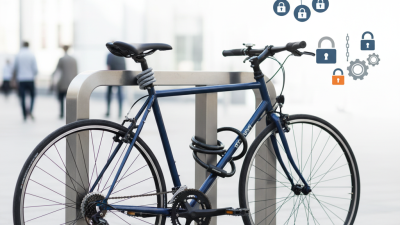
How to read this chart: Lightweight cable locks are convenient for short stops but provide limited resistance against cutting tools. Folding, chain, and U-lock designs generally offer stronger protection, while combined U-lock and cable systems improve security around both the frame and the wheel. The weight figures represent typical market ranges for comparable lock constructions, excluding brand-specific products. For daily use, choose a lock that fits the frame and fixed object securely, keep the locking mechanism clean and lubricated, and store the lock and helmet away from prolonged moisture.

FAQS

What is a bike lock helmet?

It combines head protection with a built-in locking feature. The lock may be a cable, strap, or compact mechanism. It helps secure the helmet during brief stops. It is not a replacement for a separate bicycle lock.

How should a bike lock helmet fit?

The helmet should sit level and cover the forehead. Adjust the straps without creating pressure near the temples. Shake your head gently. It should stay in place. A loose fit needs correction before riding.

What security level can the built-in lock provide?

It usually discourages casual handling and offers limited short-stop protection. Thin cables may provide reach but resist less force. Use a sensible public location and keep parking brief. High-risk areas require stronger, separate security.

Which locking design is practical for daily riding?

Integrated cables reduce loose parts inside the helmet. Folding sections can feel sturdy but may add weight. Modular locks offer replaceable components. No design is perfect. The most convenient option may still feel awkward after rain or dust.

What should buyers check before purchasing internationally?

Confirm helmet dimensions, local safety certification, and measurement units. Inches and centimetres can cause confusion. Check replacement keys, spare parts, warranty support, and payment protections. Fit the helmet before paying, when possible.

How should buyers inspect the locking mechanism?

Check the hinge, cable, release button, and stitching before every ride. The key should turn smoothly with cold fingers. Look for sharp edges near the neck. Small cracks matter. A jammed mechanism deserves attention.

Can weather affect a bike lock helmet?

Rain, dust, and winter salt may damage poorly sealed mechanisms. Batteries can dislike cold mornings and heavy rain. Wet padding may develop an unpleasant odor. Store the helmet where it can dry properly.

Does a built-in lock affect helmet comfort?

Extra hardware can increase weight and affect balance. It may also complicate cleaning or ventilation. A longer cable can swing against the frame. Convenience sounds useful, but comfort needs testing over several hours.

Conclusion

A Bike Lock Helmet combines head protection with an integrated or compatible locking function, helping riders secure both their helmet and bicycle during short stops. This guide explains the key factors global buyers should consider, including impact protection, ventilation, lock strength, tamper resistance, comfort, weight, visibility, and ease of daily use. It also compares ten design options by practical use case, such as commuting, shared cycling, urban errands, touring, and compact travel, so readers can match features with their riding habits and security needs.

Because requirements vary by region, buyers should check relevant safety certifications, sizing systems, adjustment ranges, locking compatibility, and local bicycle-security practices before purchasing. The guide also outlines how to choose the right fit, attach and operate the locking system correctly, avoid obstructing traffic areas, and maintain the helmet through regular inspection, cleaning, storage, and timely replacement after significant impact or visible damage.
Amelia

Amelia

Amelia is a dedicated marketing professional at Wenzhou Naibao Lock Industry Co., Ltd., a renowned leader in the lock manufacturing sector. With a profound expertise in the company’s various products, she plays a crucial role in bridging the gap between advanced security solutions and customer......
Previous What Is the Best Chain Cycle Lock Made in China?