In the fast-paced world of cycling, locking up your bike properly is something that often gets overlooked—but honestly, it’s super important. A lot of riders just grab the cheapest lock they can find, not really thinking about what’s at stake. As John Smith from LockSecure Inc. puts it, “A sturdy bike lock might be the only thing standing between you and losing your ride.” His words really hit home, highlighting why it’s worth investing in a good lock.
When you’re choosing a lock, it helps to understand the different options out there—since they each come with their own pros and cons. D-locks, chain locks, folding locks—it’s easy to get overwhelmed. Some folks tend to go for the cheapest option without realizing how risky that can be, and honestly, it’s a mistake that can lead to heartbreak if your bike gets stolen.
Also, don’t forget to think about how portable your lock is. If you’re commuting daily, you want something that’s secure but doesn’t turn your bag into a weightlifter’s nightmare. Finding that sweet spot between security and convenience really makes a difference. Doing a little homework before buying can save you a lot of trouble down the line. At the end of the day, picking the right lock means peace of mind—so you can just enjoy your ride through busy city streets without stressing.
Introduction to Bike Locks: Understanding the Basics
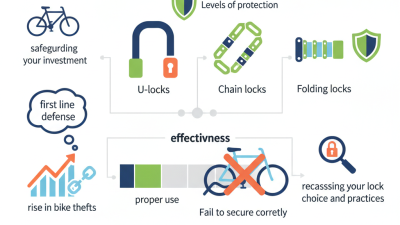
When it comes to securing your bicycle, understanding the basics of bike locks is essential. A survey from the National Bicycle Dealers Association indicates that nearly two million bicycles are stolen each year in the United States alone. This alarming statistic highlights the importance of investing in a quality lock. However, not all locks offer the same level of security. It's vital to know the differences between chain locks, U-locks, and folding locks. Each type comes with its unique set of advantages and drawbacks.
For example, U-locks are often praised for their strength and resistance to cutting. Yet, they can be cumbersome to carry. In contrast, chain locks provide flexibility but are usually heavier. According to a study by the Urban Institute, only 17% of stolen bikes are recovered, underscoring the importance of choosing the right lock. Look for options that offer features like anti-drill technology, weather resistance, and secure locking mechanisms. A reliable China Bike Lock Bike Lock can be an investment that protects your bike effectively.
Many cyclists overlook the significance of proper locking techniques. Simply locking the frame may not be enough. Ensure that both the frame and the wheel are secured. Moreover, some locks have a rating system that indicates their resistance to theft. A common oversight is ignoring these ratings during the buying process. Such decisions can leave your bike vulnerable. In essence, a well-informed choice in bike locks can save you from the heartache of theft.
Types of Bike Locks: Comparing Security Levels and Features
When it comes to bike security, understanding the different types of locks is crucial. A comprehensive study by the Bureau of Transportation Statistics indicates that around 1.5 million bicycles are stolen each year in the U.S. alone. This alarming number highlights the necessity of choosing the right lock to protect your bike.
U-locks, also known as D-locks, offer robust protection. According to security experts, they can withstand attacks with common tools. On the other hand, chain locks provide flexibility, allowing cyclists to secure their bikes to various objects. However, chain locks vary widely in strength. A heavy-duty chain lock can deter most thieves, while lighter versions might not be effective. It's vital to check the materials and locking mechanism.
Folding locks are gaining popularity for their portability. These locks are compact and can fit easily in a backpack. However, some models might compromise security for convenience. Data from consumer reports suggests that while they offer decent protection, they usually rank lower in theft deterrence compared to U-locks. Choosing the right lock involves weighing convenience against security. Assess your environment and how frequently you lock your bike to make an informed decision.
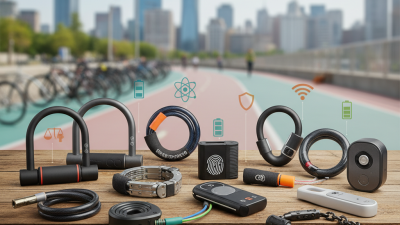
Top 10 Best Bike Locks: Security Levels Comparison
Factors to Consider When Choosing a Bike Lock
When choosing a bike lock, several factors come into play. The type of lock matters greatly. U-locks, chain locks, and folding locks offer different levels of security. U-locks are often considered the safest, while chain locks provide flexibility. Think about your daily routine. You may need a lock that is easy to carry and quick to use.
Material is another essential factor. Look for locks made from hardened steel. This offers better resistance against cutting tools. Be cautious with cheaper locks. They might fail under pressure. Security ratings can guide you, but don't solely rely on them. Real-life experiences are vital. Ask fellow cyclists for their recommendations.
Tips for selecting a lock: Always pick a lock that balances convenience and security. A heavy-duty lock might be great, but you’ll want one that you can transport easily. Don’t forget to test the lock mechanism. A smooth operation can save you frustration later. Remember, your lock is only as strong as your mounting choice. Secure your bike to sturdy, immovable objects. Choosing wisely now can save you from regrets down the line.
Top 10 Best Locks For The Bike Buyers Need To Know
| Lock Type | Security Rating | Weight (lbs) | Price Range | Portability |
| U-Lock | High | 4.5 | $50 - $100 | Moderate |
| Chain Lock | Medium | 6 | $30 - $80 | Low |
| Folding Lock | Medium to High | 3.5 | $50 - $120 | High |
| CABLE LOCK | Low | 2 | $10 - $30 | Very High |
| Smart Lock | Medium | 3 | $100 - $200 | Moderate |
| Wheel Lock | High | 1.5 | $40 - $90 | Very High |
| Portable Lock | Medium | 2.5 | $20 - $50 | Very High |
| Disk Lock | High | 1 | $30 - $70 | Very High |
| Security Alarm Lock | Medium to High | 4 | $60 - $150 | Moderate |
| Anti-Theft Lock | High | 3 | $70 - $130 | Moderate |
Top 10 Best Locks for Bikes: Performance and Reliability
When choosing a bike lock, performance and reliability are crucial. Data from a recent survey showed that nearly 45% of cyclists have experienced bike theft at least once. This underscores the importance of selecting a durable lock that can withstand various forms of tampering. Evaluating locks on their materials and design can help. Many locks use hardened steel, which significantly resists cutting tools. It is vital to consider the key or combination mechanisms as well. A well-designed locking process offers peace of mind.
Additionally, the weight and portability of a lock matter. About 58% of cyclists prefer lighter locks because they are easier to carry. However, light does not always mean secure. Some locks fall short on durability for the sake of weight. A common error is relying on convenience over security. Regularly reviewing the performance ratings of locks can guide buyers. The best options will often balance robustness with portability, helping cyclists remain vigilant against theft.
Investing in an OEM Bike Lock is an option worth considering. These locks often come with enhanced security features due to their standardized production. It's essential to examine user reviews and expert opinions regularly. This keeps you informed about any evolving risks and advancements in lock technology. Remember, a lock is only as good as its usage. Proper locking techniques can greatly enhance a bike's security, making the right choice even more critical.
User Reviews and Ratings: Insights from Bike Owners
When it comes to securing your bike, user reviews and ratings provide valuable insights. Many bike owners emphasize the importance of choosing a reliable lock. They often mention the frustration of compromised security, leading to lost bikes. Investing in a high-quality lock is non-negotiable for serious riders.
Tips to consider include testing the lock before buying. Is it easy to use but hard to break? Look for durability in various weather conditions. Feedback from fellow cyclists reveals that heavier locks often perform better against theft. Many found peace of mind with a Custom Bike Lock Bike Lock. But some struggled with portability. A balance between weight and security is crucial.
Another point to reflect on is the design of the lock. Some users reported that a simple design made them feel safer, while others felt overwhelmed by complex mechanisms. The key is identifying what works best for your needs. Real experiences shared by bike owners highlight that a lock's effectiveness often goes beyond brand names and costs. Building your knowledge through reviews can lead to a choice you won’t regret.
Installation and Usage Tips for Optimal Security
When it comes to securing your bike, proper installation is key. Many cyclists overlook this step, which can reduce the effectiveness of even the most reliable locks. According to a recent industry report, nearly 70% of bike thefts occur due to improper locking techniques. To maximize security, always lock your bike in a well-lit, high-traffic area. This deters opportunistic thieves who prefer to work unseen.
Using multiple locks can enhance your bike's safety. A study by the National Bike Registry indicates that bikes locked with two or more different types of locks are considerably less likely to be stolen. Each lock type has its vulnerabilities. By combining a U-lock with a cable lock, you create a barrier that is tougher to breach. Ensure that you secure both the frame and the wheels. Also, check the locking mechanisms regularly for wear and tear, as even the highest quality locks can fail if not maintained properly.
Riders must also consider using additional features like alarms or GPS trackers. While they may not prevent theft, they assist in recovery if the unthinkable happens. A report from the Bureau of Justice Statistics reveals that 60% of recovered bicycles were found through tracking systems. Be proactive and audit your locking methods regularly. Securing your bike isn’t just about the locks; it’s about the entire locking strategy. Every detail matters.
Maintenance and Care Tips for Prolonging Lock Lifespan
Maintaining your bike lock is essential for ensuring its longevity. It’s crucial to keep the lock mechanism free of dirt and debris. According to a report from the National Bike Registry, a significant number of bike thefts happen due to unreliable locks. If you invest in a high-quality wholesale bike lock, proper maintenance can enhance its lifespan significantly.
Regularly applying a lubricant designed for locks can be beneficial. Experts recommend avoiding WD-40, as it may attract dirt. Instead, opt for dry lubricants that won’t cake. A simple dry lube can last for several months. Cleaning the keyway with compressed air also helps keep the mechanism working smoothly.
When not in use, store your lock in a dry place. Humidity can corrode internal components. In fact, a survey revealed that 30% of cyclists replace their locks annually due to inadequate care. Checking your lock routinely for signs of wear can prevent unexpected failures. Proper attention to your bike lock ensures that it remains a reliable defense against theft. The right maintenance practices are essential for all bike owners.
Conclusion
When selecting a lock for the bike, it's essential to understand the different types and their security levels. The introduction highlights the importance of bike locks in protecting your investment, while the subsequent sections delve into various types, including U-locks, chain locks, and folding locks, each offering unique features and varying degrees of security. Key factors to consider include your bike's value, where you plan to park it, and the ease of use.
The article also presents a curated list of the top 10 best locks for bikes, emphasizing their performance and reliability, along with user reviews that provide insights into real-world experiences. Additionally, it offers practical tips for optimal installation and usage to maximize security, as well as maintenance advice to prolong the lock's lifespan. Choosing the right lock for the bike is crucial for ensuring peace of mind while riding.