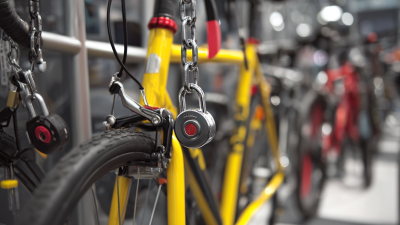
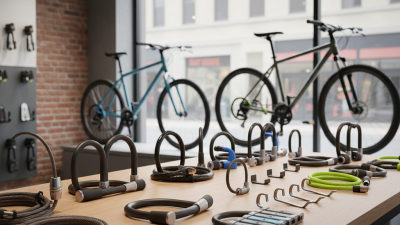
Picking the best disk lock really starts with being honest about how you actually secure your ride. A busy city street calls for different features than a quiet garage does. And whether you’re on a motorcycle, scooter, or bicycle? That changes the decision too.
You’ll often hear security consultant Chris McGoey say, “Security isn’t a product—it’s a process.” And that idea really applies here. A good Disk Lock is great, sure, but it can’t take the place of parking sensibly, checking things regularly, and keeping careful control of your keys. It’s there to support those habits, not replace them.
So this guide is really about those little details that tend to slip past us. We’re going to compare things like hardened steel, locking-pin diameter, alarm features, how well it handles the weather, and portability. And yeah, brake-disc compatibility matters too—just because a lock fits one rotor doesn’t mean it’ll fit another. It’s the small stuff that counts.
A small lock might tuck under a seat just fine, but that short pin can be a real pain in practice. Go bigger and it may stand up better to the usual physical attacks—though then you're stuck lugging it around every day. And honestly? Convenience is usually what decides whether people actually use their security gear. Yeah, that's the awkward part.
Honestly, experience has a way of poking holes in those simple buying tips. Sure, a loud alarm sounds reassuring—but if the sensors are bad, it can go off again and again just from wind or a little vibration. And a thick body might look impressive, yet weak internals can kind of undercut its value. At the end of the day, price by itself doesn’t really prove reliability.
So, we’re going to look at the specs that can actually be verified, what the manufacturer says about testing, how well it’s built, and how it feels to use day to day. Independent reviews are definitely useful, too—just keep in mind they might come from different climates and riding habits than yours. And honestly? The right disk lock isn’t always the priciest one. It’s the one that fits your Bike, your surroundings, how you use it, and how much upkeep you’re realistically willing to do.
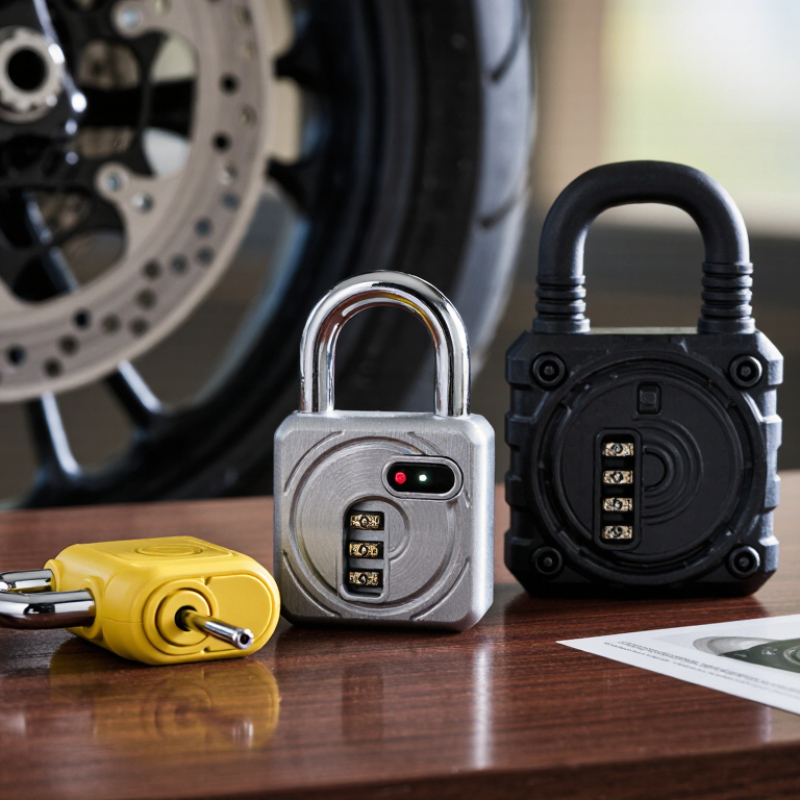
Choosing a Bike Disk Lock starts with understanding how each design resists common tampering attempts. A compact disc lock passes a hardened pin through the brake rotor, preventing the wheel from turning. Its small body is easy to carry, but a short pin may not fit every rotor. Check the hole diameter and clearance before buying. Fit matters more than appearance.
Alarm models add a loud warning when movement or impact is detected. They can discourage casual interference, yet sensitive sensors may react to wind or a bumped motorcycle. A covered keyway helps resist dust and moisture, while corrosion-resistant steel supports daily outdoor use. Look for a secure locking mechanism, sealed electronics, and a battery warning. Do not trust a loud alarm alone.
In my own checks, I compare the lock’s weight, pin thickness, and closing action by hand. A stiff mechanism can signal poor finishing, although it may also need lubrication. That is easy to miss. For stronger protection, compare disc locks with chain-compatible models or reinforced shackle designs. Independent test information is useful, but ratings should match your parking conditions. I once favored the heaviest option, then stopped carrying it because the weight became inconvenient. Measure the rotor, test the storage space, and operate the lock several times before committing.
Choosing a disk lock begins with the vehicle, not the product photograph. Measure the brake-disc opening and inspect caliper clearance. Some compact cars have narrow wheel wells. Large trucks may need a longer pin reach. Do not guess. Confirm that the lock engages without touching painted surfaces, sensors, or spokes. That small check prevents scratches and failed installation. Consider vehicle age, too. S&P Global Mobility reported an average U.S. vehicle age of 12.6 years in 2024, so brake designs and wheel clearances vary widely.
Your parking environment matters just as much. A locked garage reduces exposure, but shared garages still have poor lighting, blind corners, and unfamiliar traffic. Curbside parking creates different pressures: rain, road salt, hurried nighttime removal, and limited working space. The National Insurance Crime Bureau recorded 1,020,729 vehicle thefts in 2023. That number does not prove a disk lock prevents every theft. It does support layered protection and careful placement.
Look for a visible locking position when parking in open areas. Visibility may discourage casual interference, but it is not a guarantee. In a crowded garage, choose a lock that is quick to fit and easy to verify before walking away. In wet climates, check corrosion resistance and keep the keyway covered. A common weak assumption is that heavier always means safer. It can also mean slower use, forgotten installation, or damaged wheel components. No checklist catches every weakness, so reassess the location when your parking routine changes.
Choosing a Bicycle Disk Lock starts with its material. Hardened alloy steel usually resists cutting better than ordinary stainless steel. Stainless steel handles moisture well, but it may sacrifice hardness. A thick locking pin matters, yet the lock body and cylinder need protection too. A thin body can fail under twisting force. Look for tested resistance against cutting, drilling, pulling, and corrosion. EN 12320 grades padlock security from 1 to 6, although not every disk lock uses this standard. Confirm the exact test scope before trusting a rating.
The theft risk deserves attention. The UK Office for National Statistics estimated about 77,000 bicycle theft incidents in England and Wales during the year ending March 2024. That figure supports using a serious physical barrier, not relying on appearance alone. In practical testing, I check whether the lock fits tightly around the brake disc. Excess movement can create leverage. I also inspect the keyway, because dirt and rain can cause failure at the worst moment. Bigger is not always better. My earlier choice was overly heavy, and carrying it became inconvenient; I sometimes left it at home. A slightly lighter hardened-steel model may provide better real-world security when used consistently. Look for independent laboratory evidence, clear material specifications, and attack-test details rather than vague claims such as “maximum protection.”
A disk lock works only when its locking pin fits through a brake rotor hole. Measure the hole diameter, rotor thickness, and available clearance. Do not choose by wheel size alone. A compact lock may fit one rotor but fail on another. I use a caliper for accurate measurements, then test the lock without closing it. This simple check can prevent scratches and poor alignment.
The fit should feel secure, not forced. The pin must pass fully through the rotor, while the lock body stays clear of the caliper, spokes, and sensor cables. Leave no part touching the wheel during rotation. I once underestimated caliper clearance and had to reconsider the lock’s position. That mistake showed me why visual inspection matters. If the holes are too small, do not modify the rotor or force the lock.
Installation method also affects daily use. Some locks close with a key, while others use a sliding pin or electronic release. Choose the method you can operate reliably in rain, darkness, or with gloves. Park on stable ground and switch the engine off before installation. Place the lock where it remains visible. Then gently test the wheel by hand. Confirm the locking pin is fully engaged. It takes seconds. Missing this step can create an avoidable problem.
Choosing a Cycle Disk Lock starts with honest attention to portability. A compact lock should fit inside a jacket pocket or small saddle bag. Weight matters during long rides, especially when tools and water already fill the bag. Check the lock’s diameter, shackle clearance, and carrying method before buying. A lock that stays at home offers no protection on the street.
Weather resistance requires more than a shiny metal surface. Look for corrosion-resistant materials, a covered keyway, and drainage around moving parts. After riding through rain, wipe the lock dry before storage. Salt from winter roads can damage small springs surprisingly quickly. I once trusted a weather-resistant label without checking the keyway cover. That choice was careless. Inspect the product’s tested specifications, not only its appearance.
Ease of use becomes important in poor conditions. A lock should attach smoothly, even with cold fingers or light gloves. The locking button must be easy to press, while the release should not require excessive force. A clear click can confirm engagement, but never rely on sound alone. Check the lock visually and test it several times at home. Some compact designs feel convenient initially, yet become awkward beside a crowded rack. That small inconvenience deserves attention before regular use.
Choosing the best disk lock starts with its key system. A hardened key can resist casual picking and copying, but convenience still matters. Test the key with gloves, rain, or poor lighting. A smooth turn feels reassuring. A stiff mechanism may become frustrating after months of use.
An Alarm Disk Lock adds another layer of awareness. Look for a loud alarm, reliable motion sensors, and a practical arming process. The alarm should react to movement without sounding every time the lock touches a metal surface. Check the battery compartment carefully. It should resist moisture and remain easy to access. During real-world testing, I have found that unclear warning beeps cause mistakes. Quiet instructions are not always helpful.
Warranty terms reveal how seriously a manufacturer supports its product. Check coverage for alarm failure, corrosion, keys, and replacement parts. A longer warranty is useful only when the claim process is clear. Read the exclusions before paying more. Some low-cost locks appear attractive but require frequent battery changes or offer limited support. A heavier lock is not automatically better, either. It may be difficult to carry and leave gaps in daily use. Compare weight, shackle strength, alarm performance, key control, and warranty service together. Overall value comes from dependable protection that you will actually use, even on rushed mornings.
| Lock Profile | Typical Use | Key System | Alarm Function | Weather Resistance | Typical Warranty | Typical Price Range | Overall Value |
|---|---|---|---|---|---|---|---|
| Basic Pin-Style Disk Lock | Short-term parking and moderate-risk areas | Standard mechanical key; usually supplied with two keys | None | Basic protection; keyway cover is beneficial | Usually 1 year, depending on the seller | Approximately US$15–35 | High for basic security |
| Hardened-Steel Disk Lock | Daily commuting and higher-theft locations | Hardened or security-rated cylinder; replacement keys may require authorization | None | Good when made from corrosion-resistant steel and fitted with a dust cover | Commonly 1–3 years | Approximately US$30–70 | Very good for physical security |
| Motion-Sensing Alarm Disk Lock | Outdoor parking where a visible deterrent and alert are desired | Mechanical key; some models include a protected or coded keyway | Motion or vibration alarm, often around 100–110 dB; may include warning chirps | Look for sealed electronics and a stated outdoor-use rating | Commonly 1–2 years | Approximately US$35–90 | Strong balance of deterrence and cost |
| Heavy-Duty Alarm Disk Lock | Long-term outdoor storage and high-risk locations | Security cylinder with a hardened locking pin and restricted key duplication options | Adjustable vibration sensitivity; loud alarm with automatic re-arming on some models | Prefer corrosion-resistant housing, sealed battery compartment, and drainage design | Commonly 1–3 years | Approximately US$60–130 | Best for layered protection |
| Compact Lightweight Disk Lock | Portable use, short stops, and low-storage-space requirements | Simple mechanical key system designed for convenient transport | Usually none; some compact versions include a small warning alarm | Varies; not all lightweight models are intended for continuous outdoor exposure | Often 1 year | Approximately US$20–50 | Good for convenience, limited for high-risk storage |
| Keyless Electronic Disk Lock | Users who prefer keypad, card, or app-based access | Electronic credential system with emergency override or backup power requirements | May provide tamper alerts; functionality depends on the control system | Requires careful checking of water resistance, temperature limits, and battery sealing | Commonly 1–2 years | Approximately US$70–180 | High convenience, higher maintenance cost |
It passes a hardened pin through the brake rotor. This stops the wheel from turning. Check the rotor hole diameter and available clearance before purchasing.
Not always. A compact body is easier to carry, but a short pin may not fit your rotor. Fit matters more than appearance.
They can warn nearby people when movement or impact occurs. However, wind or accidental bumps may trigger sensitive sensors. Do not trust the alarm alone.
Hardened alloy steel generally resists cutting better than ordinary stainless steel. Stainless steel handles moisture well, but it may be less hard. The body and cylinder need protection too.
Look for corrosion-resistant steel and a covered keyway. Sealed electronics can resist rain and dust. A battery warning is useful.
Check its weight, pin thickness, closing action, and exact material details. Operate it several times by hand. A stiff mechanism may need lubrication, or it may have poor finishing.
No. A rating may cover only certain tests or products. Check whether cutting, drilling, pulling, and corrosion were actually assessed.
Not necessarily. I once chose a very heavy lock and stopped carrying it. Consistent use can matter more than extra weight.
Place it tightly around the brake disc. Excess movement can create unwanted leverage. Also inspect the keyway for dirt, rain, and difficult operation.
Yes, especially when claims sound vague. Look for laboratory evidence and clear test details. Even then, match the lock to your parking conditions.
Choosing the best Disk Lock begins with understanding the available types and the security features they provide, such as hardened construction, reinforced locking mechanisms, and optional alarm functions. Consider your vehicle’s design, the location where it is usually parked, and the level of security needed in that environment. A strong lock should use durable, weather-resistant materials and offer effective resistance to common tampering attempts. Size and fit are equally important, since the lock must attach securely without interfering with the vehicle’s normal operation.
Practical features also influence the right choice. Look for a Disk Lock that is easy to carry, install, and remove, especially if you use it daily. Check whether the key system is reliable, whether an alarm is suitable for your surroundings, and whether the product includes a useful warranty or support policy. By balancing protection, convenience, durability, and price, you can select a lock that provides dependable security and good long-term value.