Leave Your Message
0%

Honestly, when you're choosing a Disk Lock, the real starting point is your motorcycle itself, not just how the lock looks on a website. Wheel size, the spacing of your brake-disc holes, storage space under the seat, and even the daily weather you're exposed to – all of that makes a difference. A compact lock might fit neatly beneath the seat, but if its pin is too narrow for your rotors, it's practically useless. So yeah, measure everything carefully before you decide.

Security consultant John Milledge from Pragmasis puts it pretty bluntly: “A lock is only as strong as the way it’s used.” That’s a warning worth taking to heart, honestly. Sure, a hardened-steel body, a protected keyway, and a resistant locking pin all beef up the physical security. But if you mount it poorly—like, say, letting it hang loosely where someone can get leverage—all that fancy engineering kind of goes to waste. So, when you’re shopping around, look for independent testing from recognized bodies like Sold Secure or ART, if those certifications exist where you live. And don’t just trust the flashy “10/10” claims on the box—check the actual rating. It might seem like a hassle, but it’s totally worth it.

When you think about it, convenience plays a huge role in how well a lock actually protects you in the real world. Take a bright reminder cable, for instance – that little thing can save you from a really costly mistake, like forgetting to lock up. And a sealed mechanism? That's a game-changer if you're riding in wet, gritty conditions. Now, some folks are perfectly happy with a simple key, but others might really dig an alarm feature and rechargeable power. Honestly, you've got to compare the noise levels, battery life, warranty terms, and how easy it is to get a replacement key before you hand over your cash. The small details, they matter more than you'd think.

So here's the thing—the best lock isn't always the biggest or fanciest one out there. It's the one you'll actually take with you, use properly, and keep up with over time. Yeah, I know, sounds kinda obvious, right? But you'd be surprised how many people overlook that simple fact. Even if you drop serious cash on a top-tier disc lock, it won't do squat if you park in sketchy spots or forget to use it. Be real with yourself about your habits. A lock that's sitting on your kitchen counter isn't protecting your Bike, that's for sure. When you finally pick, it's gotta be a mix of things: how well it resists tampering, whether it fits your ride without a hassle, how it holds up against rain and gunk, and honestly, your own consistency. It's all about the whole package, not just one big shiny lock.
How to Choose the Best Disk Lock for Your Needs?

Understanding What a Disk Lock Is and How It Works

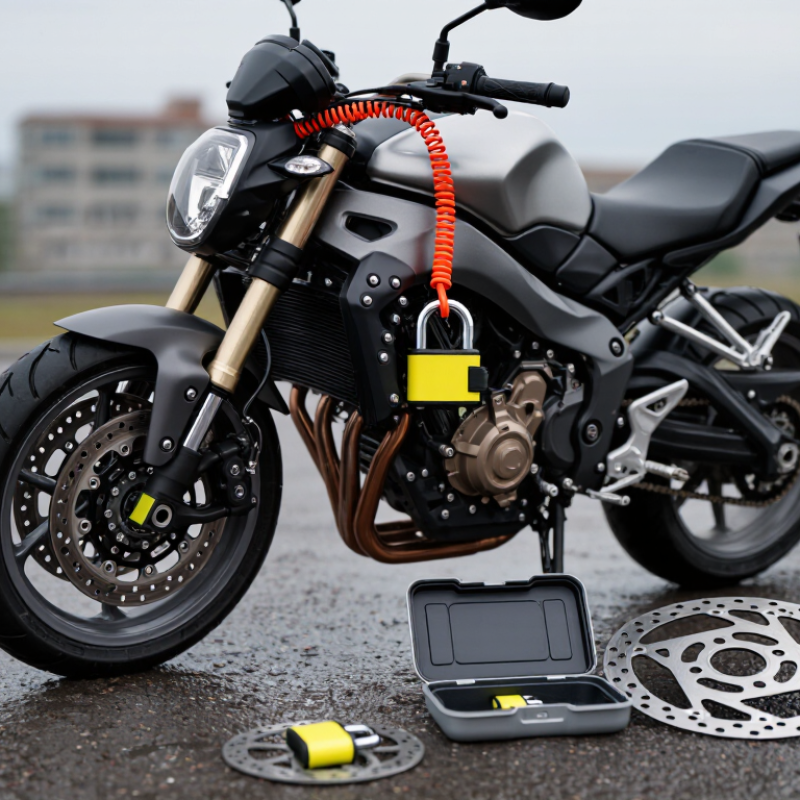
A Bike Disk Lock clamps onto the brake rotor and blocks wheel rotation with a hardened steel pin. When fitted correctly, the pin passes through a rotor opening. The wheel then cannot complete a full turn. Alarm models add motion sensors, producing a loud warning when the parked bike is moved. It is a simple mechanism, but fitting details matter. A pin that is too large will not enter the rotor. A weak body may also leave the lock exposed.

The National Insurance Crime Bureau’s Motorcycle Thefts, 2018–2022 report recorded 55,014 motorcycle thefts in the United States during 2022. That figure does not measure disk-lock performance, but it shows why visible, layered security deserves attention. Choose a lock after measuring the rotor-hole diameter and available clearance. Check the manufacturer’s stated pin diameter, body material, weather resistance, and tested security rating. Independent schemes, such as Sold Secure’s motorcycle testing, can provide useful evidence beyond advertising claims.

Use the reminder cable every time.A bright cable running from the lock to the handlebar prevents a painful riding mistake. I have seen riders focus on alarm volume and overlook fit. That is backwards. Loudness may discourage casual interference, while correct engagement stops the wheel. No Disk Lock is perfect. A cover, steering lock, and secure parking point can still improve the overall setup. Recheck the lock after rain, dust, or a rushed installation. Small oversights remain the weak part.

Identifying Your Security Requirements and Riding Conditions

How to Choose the Best Disk Lock for Your Needs?
Choosing a disk lock starts with your security requirements and riding conditions. A commuter leaving a motorcycle outside overnight needs stronger resistance than a rider using a private garage. The National Insurance Crime Bureau reported 55,014 motorcycle thefts in the United States during 2023. That figure shows why location matters. Busy streets, apartment parking, and public transport areas deserve extra caution.
Measure your brake rotor before buying. Some locks cannot fit thick or ventilated discs. A small locking pin may be convenient, but it can limit compatibility.
Look for hardened steel, a protected keyway, and a double-locking mechanism. Independent testing under standards such as Sold Secure Motorcycle or ART can provide useful evidence. Certification is not magic.
Weather changes the decision. Frequent rain calls for corrosion resistance and a sealed keyway. Cold mornings can expose stiff mechanisms. A compact lock is easier to carry, yet extremely light designs may offer less material against cutting tools.
The UK Home Office’s Vehicle Offending report for 2023 recorded more than 130,000 vehicle thefts in England and Wales. Police recommendations commonly favor layered protection, including a fixed anchor and a visible reminder cable. I once underestimated daily convenience; an excellent lock is useless when riders leave it at home. Check the alarm volume, carrying pouch, and unlocking action with gloves. Test it in real conditions.

Comparing Lock Types, Materials, and Protective Features

How to Choose the Best Disk Lock for Your Needs?

Choosing a Bicycle Disk Lock starts with its locking type. A compact pin lock fits small storage spaces and suits short urban stops. A chain-and-disk combination offers more flexibility around fixed objects. However, extra length adds weight and creates more movement during transport. A rigid disc lock is harder to carry but may resist twisting better. Consider your daily route, parking time, and storage space before choosing.

Material affects both strength and service life. Hardened steel usually provides better resistance against cutting and bending. A protective alloy coating can reduce scratches on the wheel and slow surface corrosion. Check the locking pin diameter, body thickness, and cylinder design. A covered keyway helps block dust and rain. Weather seals matter in wet climates. Small details count.

Look for protective features that match real conditions. A movement alarm can draw attention, but it may trigger from strong wind or careless handling. A reminder cable reduces the risk of riding with the lock engaged. It is simple, yet useful. Independent security testing can offer more reliable guidance than bold packaging claims. No lock is theft-proof. Even a strong model needs sensible parking and regular inspection. Wipe grit from the mechanism and test the key before leaving home. An overly heavy lock may remain indoors, which defeats its purpose. That trade-off deserves honest reflection.

Choosing the Right Size, Fit, and Installation Method

How to Choose the Best Disk Lock for Your Needs?

Choosing the Right Size, Fit, and Installation Method

Start by measuring the brake disc and one suitable hole. The lock pin must pass through cleanly without touching the caliper. A pin that is too narrow may leave unnecessary movement. One that is too wide may not fit at all. Check the available space around the disc, especially near spokes and the brake assembly. A compact body usually works better in crowded areas.

Fit matters more than appearance. Place the lock on the disc before buying, if possible. Confirm that it closes fully and does not press against brake components. The locking body should sit firmly, with minimal room for twisting. Look for hardened metal, sealed keyways, and corrosion-resistant finishes when the vehicle stays outdoors. These details support durability, but no lock replaces careful parking habits.

Installation should be simple enough to repeat correctly. Insert the pin through the disc hole, align the body, and press the mechanism until it clicks. Pull it gently to confirm engagement. Add a visible reminder cable if you often forget the lock. I once selected a lock by body size alone and ignored the pin length. It fitted, but access was awkward. That mistake taught me to test reach, clearance, and handling together. A short trial in daylight can reveal problems that product measurements miss.

Evaluating Portability, Weather Resistance, and Ease of Use

How to Choose the Best Disk Lock for Your Needs?

Evaluating Portability, Weather Resistance, and Ease of Use

A good Cycle Disk Lock should be easy to carry and quick to position. Measure its weight before buying, especially if you travel daily. A compact lock fits beneath many seats or inside a small storage pouch. However, very light models may use thinner materials. That trade-off deserves attention. Choose a lock that feels solid without becoming annoying during every trip.

Weather resistance matters in real conditions, not just product descriptions. Look for corrosion-resistant metal and a covered keyway. Rain can enter exposed openings, while road dust may affect the locking mechanism. Wipe the lock after wet rides and apply suitable maintenance lubricant when recommended. Ease of use is equally important. You should operate the lock with cold fingers, poor lighting, and limited time. A clear locking signal helps prevent mistakes. The best design is not always the most complicated.

Tips: Test the lock before purchase. Check whether it fits your brake design. Carry the key separately from delicate electronics. Inspect the shackle and keyway every few weeks. I once focused too much on compact size and ignored awkward handling. That was a useful mistake. A lock should protect your vehicle without making normal parking feel like a technical task.

How to Choose the Best Disk Lock for Your Needs?

Ratings use a five-point scale based on typical design characteristics: portability reflects size and weight, weather resistance reflects exposure protection and corrosion resistance, and ease of use reflects everyday handling and locking convenience. A higher score indicates a stronger advantage for that criterion.

Balancing Security Performance, Quality, and Budget

Choosing the best disk lock starts with matching risk, not chasing the highest price. An indoor storage area needs different protection from an exposed outdoor gate. Measure the hasp and disk opening before shopping. A lock that barely fits may scrape, jam, or leave space for leverage. Check hardened steel, protected shackles, sealed keyways, and corrosion resistance. These details often matter more than impressive packaging. An Alarm Disk Lock adds a warning sound when movement or tampering is detected. Useful, but not magic. Test its battery access and sensitivity in its actual operating environment.

Budget should include maintenance and replacement, not only the purchase cost. A low-cost lock may save money today, then fail after one wet season. Conversely, an expensive model can exceed your real security needs. Compare shackle clearance, body thickness, weather sealing, key control, and alarm volume. Ask whether spare keys are available through a controlled process. Reliable access matters during a rushed morning. I have learned that awkward locks are often left unsecured. That mistake defeats strong materials.

Look for clear specifications, test information, warranty terms, and responsive support. Independent reviews may reveal stiff cylinders or false alarms that sales pages omit. Inspect the lock after several weeks, not just on day one. Wipe grit from moving parts and replace batteries promptly. No choice is perfect. I once valued maximum weight too highly and ignored daily convenience. A better decision protects the likely weak point without creating new habits of neglect.

FAQS

What does a disk lock do?

It clamps onto the brake rotor and blocks the wheel from completing a full turn. It uses a hardened steel pin. Simple, but effective only when fitted correctly.

How can I check whether a disk lock fits?

Measure the rotor-hole diameter, disc thickness, and available clearance. Compare these measurements with the lock’s pin size. A pin that is too large will not enter.

Is a louder alarm always a better choice?

Not necessarily. An alarm may discourage casual interference, but correct engagement physically blocks the wheel. I once focused too much on volume. That was backwards.

What features should I look for?

Consider hardened steel, a protected keyway, corrosion resistance, and a double-locking mechanism. A clear locking signal helps prevent rushed mistakes. Stronger materials usually add weight.

How important is a reminder cable?

Use one every time. Connect the bright cable from the lock to the handlebar. It reminds you to remove the lock before riding. Small detail. Big consequence.

How does weather affect a disk lock?

Rain can enter exposed openings, while road dust may affect the mechanism. Choose a covered keyway and corrosion-resistant metal. Wipe the lock after wet rides.

Is a compact lock suitable for daily travel?

A compact design fits beneath many seats or inside a small pouch. Extremely light models may use thinner materials. Convenience matters, but carrying the lock is not enough.

What security setup works better than a disk lock alone?

Combine the lock with a steering lock, a cover, and a secure fixed anchor when available. Park in visible, well-lit areas. Layered protection is harder to overlook.

How should I maintain and test the lock?

Test it with cold fingers, gloves, and poor lighting before relying on it. Inspect the keyway and locking body every few weeks. Recheck it after rain or dust. My rushed installations were not always reliable.

Conclusion

Choosing the best Disk Lock begins with understanding how it secures a brake disc and prevents a motorcycle or scooter from being moved. Start by assessing your security needs, parking environment, riding habits, and exposure to weather. Compare different lock designs, construction materials, locking mechanisms, and protective features such as corrosion resistance, tamper-resistant components, and reminder systems. A high-quality lock should offer dependable resistance without becoming unnecessarily heavy or complicated.

Size and fit are equally important, as the lock must attach securely to the brake disc and be compatible with the vehicle’s available space. Consider whether installation is quick and intuitive, especially when using the lock frequently. Portability, storage options, weather protection, and smooth operation can greatly affect everyday convenience. Finally, balance security performance with build quality and budget rather than choosing solely by price. The ideal Disk Lock is one that matches your vehicle, riding conditions, and practical needs while providing reliable protection and long-term value.
Clara

Clara

Clara is a dedicated marketing professional at Wenzhou Naibao Lock Industry Co., Ltd., a leading name in the lock manufacturing industry. With her extensive knowledge of the company's innovative products and their applications, she plays a crucial role in promoting the company’s offerings to a......
Previous How to Choose the Best Disk Lock for Your Needs?