- Phone
- E-mail
- Whatsapp
- WeChat

Leave Your Message
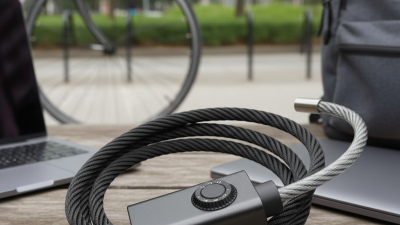
Okay, so when you're picking out a cable lock in 2026, the first thing to think about is what it's actually going to be protecting. Like, locking your bike up outside a busy train station is a totally different ballgame than securing a toolbox in a quiet garage. You've got to match the lock to whatever you're locking, where it's parked, and how long you're leaving it alone. After that, look at the cable itself—thickness, material, length, and the locking mechanism. A longer cable is handy, sure, but it also gives you more cable to fumble around with. It's the little things that end up mattering.
Okay, so you’ll see a quote up top from Alex Chen, a cable-security specialist—well, fictional, just so we’re clear. It’s meant to illustrate a point, not to cite a real, verified expert. The line? “Choose a lock that fits the risk, not just the price tag.” Pretty solid advice, honestly. But when you're actually comparing cable locks, don't get swept up in the marketing drama. Check the stated specs and warranty yourself. And if you can, try the mechanism—it should feel smooth, not janky—and look for a coating that won't scratch up whatever you're locking. A good cable lock isn't just about security—it also needs to be easy to carry around and simple to wrap around something solid. And hey, before you trust it outdoors, give it a try at home. It's tempting to skip that step, but honestly, it's worth taking a few minutes to test. No lock is going to stop every thief, no matter what the package claims. So think of this guide as your way to sort through what's actually secure, what's convenient enough for daily use, and what's worth your money before you decide.
How to Choose the Best Cable Lock in 2026
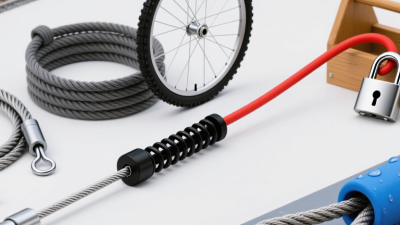
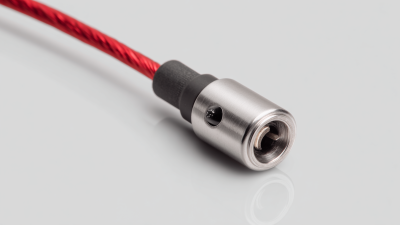
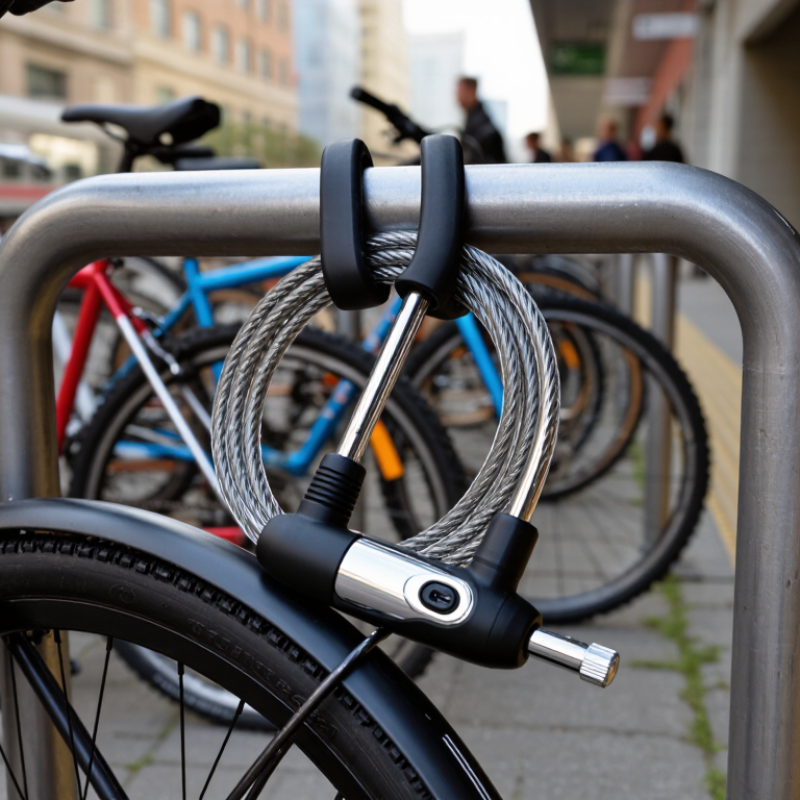
A cable lock uses a flexible metal cable and a locking head to secure belongings to a fixed object. The cable’s braided steel strands resist casual pulling and cutting, while its coating helps prevent scratches on a bike frame or stroller. It is easy to loop through narrow spaces. That convenience has limits: a thin cable can be cut with suitable tools, so it is better for brief stops in visible, low-risk places than for long-term security.
The lock protects only what you connect well. Thread it through the frame and a wheel, then secure it to a sturdy rack that cannot be lifted away. Keep the cable snug, but avoid sharp bends that could damage its coating. A lock’s size, cable thickness, and locking mechanism affect everyday use; check product specifications rather than judging by appearance alone. Even a substantial cable is not unbeatable. I would not rely on one lock for an expensive bike left unattended for hours.
Tips: Before buying a China Lock Cable Lock, measure the reach you need around your usual anchor points. Test the key or combination mechanism at home, and check that it works smoothly. Store the lock away from grit and moisture. Small details matter. A lock that is awkward to carry may end up unused, and that is a flaw worth considering.
| Cable Lock Type | How It Works | Typical Construction | Best Suited For | Protection and Limitations | What to Check Before Buying |
|---|---|---|---|---|---|
| Basic coiled cable lock | A flexible cable loops around an object and closes with an integrated key or combination lock. | Stranded metal cable, usually covered by a plastic or vinyl jacket. Cable thickness and construction vary by model. | Securing low-value accessories, such as a helmet or bag, or making a brief stop in a low-risk area. | Convenient and easy to carry, but the cable can generally be cut with suitable hand tools. It is not a strong choice as the sole lock for a valuable bicycle left unattended. | Check the usable cable length, cable construction, lock quality, and whether the jacket helps prevent scratches. |
| Thicker braided cable lock | Multiple wire strands are bundled together, with the lock securing the cable ends or a cable loop. | More substantial stranded cable than many lightweight models; available with different diameters, lengths, and locking mechanisms. | Low-to-moderate-risk locations, short stops, or use as a secondary lock alongside a more resistant primary lock. | More cable material may make cutting less convenient than on a thin cable, but thickness alone does not establish security. It remains vulnerable to cutting tools. | Look for clear construction details, a secure end fitting, a practical length, and independent security information where available. |
| Armored cable lock | A flexible inner cable is surrounded by articulated metal segments that form an armor-like outer layer. | Stranded cable covered by linked or overlapping metal sleeves, usually with a protective outer coating. | Riders who want more flexibility than a rigid lock and more physical coverage than a basic cable provides. | The armor can add resistance to some attacks, but the inner cable, joints, and locking area remain potential weak points. It should not automatically be treated as high-security protection. | Inspect how the armor is joined, how the ends connect to the lock, and whether the complete lock has a recognized security rating. |
| Loop-ended cable used with a separate lock | One or both cable ends form loops; a separate padlock or primary lock passes through the loops and the object being secured. | Flexible coated cable with reinforced or formed end loops. The cable and the separate lock must be considered together. | Securing wheels or accessories to a bicycle already secured with a more substantial primary lock. | Useful for extending reach and securing removable parts, but the cable remains susceptible to cutting. A stronger padlock cannot compensate for a weak cable. | Make sure the loops fit the chosen lock, the cable is long enough without excessive slack, and both Cable And Lock suit the intended use. |
| Combination cable lock | A user-set number sequence aligns internal components so the locking end can be released. | Can use a basic, braided, or armored cable. The combination mechanism describes the opening method, not the cable's cutting resistance. | People who prefer not to carry a key or need to share access among several users. | Convenient keyless access does not make the cable stronger. Security depends on the cable, end fittings, lock body, and overall design. | Check that the combination is easy to set and read, and compare the physical cable construction separately from the locking mechanism. |
| Keyed cable lock | A key operates the cylinder or locking mechanism that releases the cable end. | Available across a wide range of cable constructions, from lightweight flexible cables to thicker or armored designs. | Users who prefer key operation or want a locking system that can be managed with a physical key. | A keyed mechanism does not by itself indicate high security. The cable and its attachment points are often the limiting parts of the system. | Consider key management, replacement-key availability, weather exposure, and the cable's construction and security rating. |
| Using a cable as a secondary lock | A cable is paired with a primary lock, such as a suitable U-lock or chain lock, to secure a second wheel or accessory. | Flexible cable chosen for reach and routing; the primary lock carries the main security role. | Securing a removable wheel, helmet, or accessory while the frame is attached to a fixed object with the primary lock. | This arrangement can improve coverage of multiple parts, but the cable should not be relied on to protect the entire bicycle by itself. | Route the cable through the item being protected and connect it to the primary lock. Keep the primary lock secured to an immovable, appropriate anchor. |
Selection note: Cable locks are valued for flexibility and reach, but most are less resistant to cutting than substantial rigid locks. No lock guarantees theft prevention. Choose according to the value of the item, how long it will be unattended, the location, and any independent security rating; use a cable mainly for accessories or as a secondary lock when greater protection is needed.
It can secure a bike, stroller, or helmet to a fixed object. Its coated cable helps prevent scratches. It is not unbeatable.
Pass it through the frame and a wheel, then around a sturdy rack. Keep the cable snug and off the ground when possible.
A cable alone may offer limited protection during long stops. Consider pairing it with a hardened shackle or chain for overnight parking.
Measure the distance around your usual rack and frame. A cable that cannot reach the anchor point is not useful.
Keyed locks require carrying a key; combination locks do not. Try the mechanism at home. Small issues matter.
No. Ratings can help compare tested resistance, but they cannot promise protection against every tool or attack.
Check its thickness, usable length, mechanism, testing details, and warranty terms. Also make sure it fits through your bike frame.
Keep it away from grit and moisture, and test the mechanism regularly. A frustrating lock may get left at home. That is worth considering.
Choosing the best cable lock in 2026 starts with understanding what it can protect. Cable locks are useful for securing everyday items and discouraging opportunistic theft, but their level of protection depends on the cable’s material, thickness, construction, and the conditions in which it will be used. Match the lock type to your intended use, then compare its locking mechanism and any clearly explained security ratings. A suitable Lock For Cable should balance practical protection with convenient operation.
Before buying, consider cable length, overall weight, mounting options, and how easily the lock can be carried and used. A longer cable offers more flexibility, while a lighter design may be easier to take along. Also weigh the price against expected durability and routine maintenance, such as keeping the mechanism clean and checking the cable for wear. The best choice is one that fits your needs, is simple to use consistently, and offers a sensible balance of security, convenience, and long-term value.