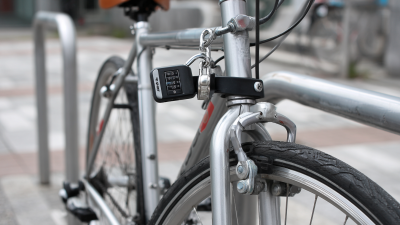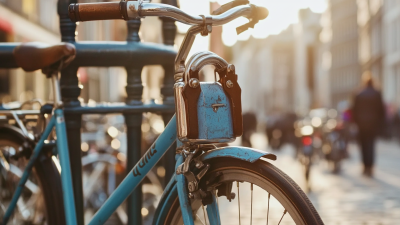
When it comes to locking up your bike, knowing how to do it properly is pretty important. A solid lock can really scare off potential thieves, but not all locks are equally reliable. Using a chain lock is often a good option because it can easily wrap around your bike and a sturdy anchor point. But here’s the thing—many cyclists still make classic mistakes. For instance, some folks just loosely loop the chain around their bike frame and a pole without much thought. That’s a risky move because a thief could just cut the chain or slip it right off. It’s super important to make sure your lock secures both the frame and the wheels—never leave any weak spots. Always take a moment to peek for potential vulnerabilities.
Also, splurging on a quality chain lock from a trusted brand like Kryptonite really pays off. Remember, a strong lock adds an extra layer of security, but it’s not a magic fix. When choosing one, try to find a good balance between weight, length, and strength—trust me, it’s worth the effort. In the end, taking the time to lock your bike correctly can save you a lot of hassle and heartache down the road. Better safe than sorry, right?
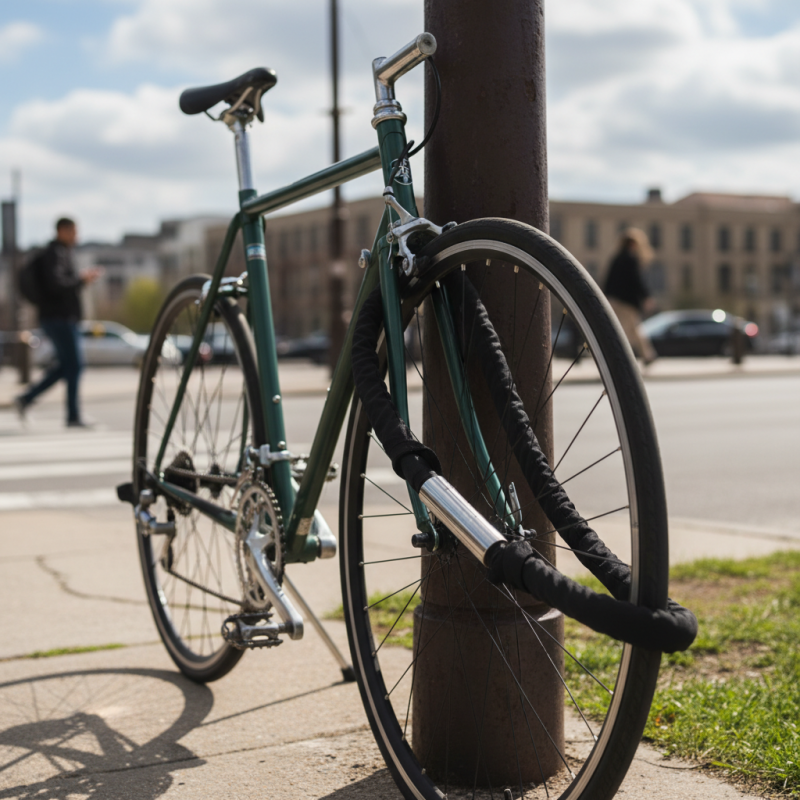
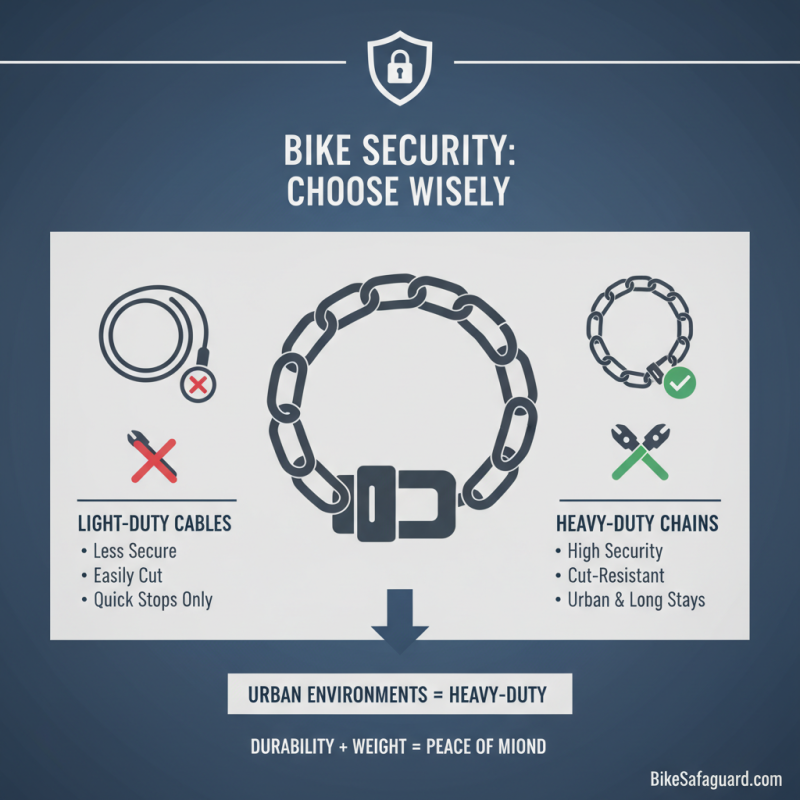
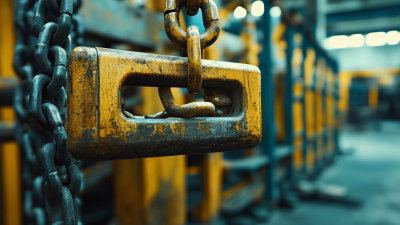
When it comes to safeguarding your bike, choosing the right chain lock is essential. Various types of bike chains and locks exist, each offering different levels of security. A heavy-duty chain lock often combines durability and weight. It can withstand cutting tools better than lighter options. This makes it an appealing choice for urban environments where theft is more prevalent.
Another option is the flexible cable lock. It’s lighter and easier to carry. However, its security level is lower compared to a robust chain lock. Think about your bike's value. If you own a high-end model, investing in a heavy chain like a China Chain Lock Chain can provide peace of mind. But remember, carrying a heavy lock can be cumbersome. You may find yourself with a sore back after a long ride.
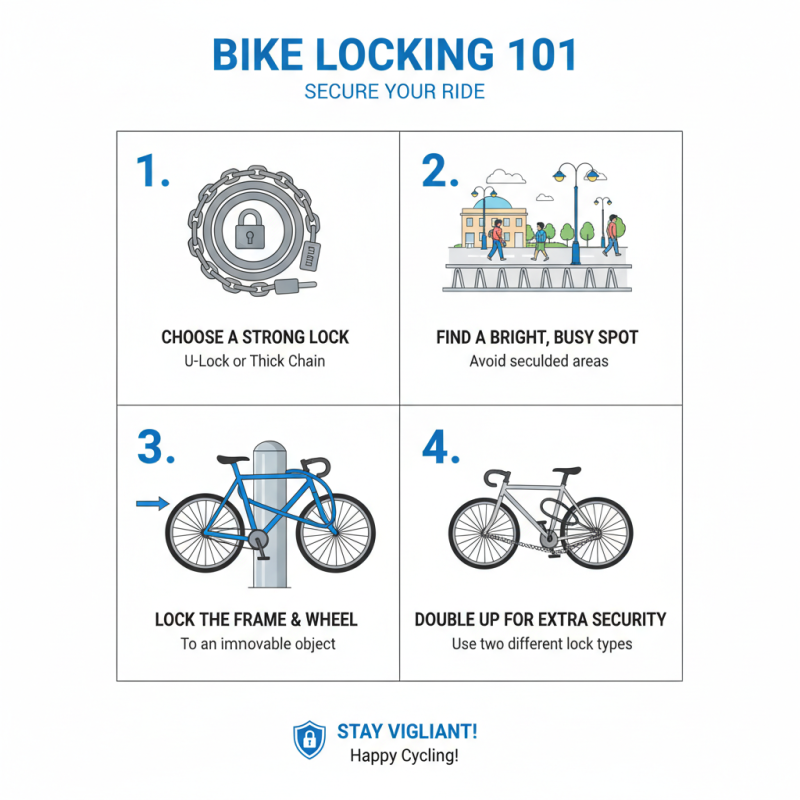
Finally, remember that the way you lock your bike is just as important as the lock itself. Always secure the frame and at least one wheel to an immovable object. A moment of carelessness can lead to heartbreak. While it’s tempting to rush, taking the time to lock your bike properly can save you the frustration of dealing with theft later on.
Choosing the right bike lock is crucial for security. Various options exist, each offering different security levels. A recent report from the National Bicycle Safety Association indicates that over 1.5 million bicycles are stolen each year in the U.S. alone. This statistic underlines the importance of an effective locking system.
U-locks are often recommended for their sturdiness. They can withstand a significant amount of force. However, even U-locks have weaknesses. A study from the Bicycle Security Research Group shows that 30% of U-locks can be compromised within minutes. This raises questions about their effectiveness. Chain locks provide flexibility but tend to weigh more. They vary widely in quality. In fact, a survey of bike shops found that only 40% of chain locks offer reliable protection against serious theft.
Evaluating different locks requires understanding your environment. An area with high theft rates needs stronger security. Experts suggest combining locking methods for better protection. Using both a U-lock and a chain lock can deter thieves. However, some cyclists still rely on a single lock, often overlooking this advice. It’s important to recognize that no lock is impervious to theft. Aim for more than just one barrier. Your bicycle's safety depends on a thoughtful approach to locking it.
Choosing the right location for locking your bike is crucial for preventing theft. A recent study indicates that nearly 50% of bicycle thefts occur in public spaces. This emphasizes the need for careful consideration when selecting a spot. Look for well-lit areas with high foot traffic. The presence of other cyclists can also deter thieves.
Secure your bike to sturdy, immovable objects. Avoid lightweight poles or barriers that can be easily broken. It’s best to use an OEM Chain Lock Chain. This type of lock provides enhanced security. However, even the best locks can be defeated if not used correctly.
Take note of your surroundings. Areas with CCTV are typically safer. Also, stay clear of places where bikes are often stolen. For instance, areas close to bars or clubs can attract thieves. Parking near a parking attendant or security personnel can reduce risks. Measure the risk versus convenience before parking your bike. Everyone has different needs. Taking time to choose wisely can save a lot of trouble later.
Locking your bike correctly is crucial for its safety. Start by choosing a sturdy and secure bike chain. Look for a well-lit area with high foot traffic. This is important; thieves often avoid busy places. Approach your bike and assess where to lock it.
Wrap the chain around the frame and one wheel. Make sure the lock is tight, but don't leave excess chain hanging. This creates an opportunity for thieves. If possible, use two different locks. This adds an extra layer of security.
Always be cautious. A cheap lock may look appealing but can be easily broken. Reflect on where you park your bike daily. Some spots are worse than others. Consider rotating your parking location. This small change can help deter theft. Stay vigilant and think ahead when securing your bike.
Locking your bike is not always straightforward. Many cyclists make common mistakes that can lead to theft. Studies show that over 1.5 million bikes are stolen annually in the U.S. alone. Many thefts occur because owners fail to lock their bikes properly. A robust chain lock is essential, but its effectiveness depends on how you use it.
One significant error is locking only the wheel. Thieves can easily detach the frame. Always lock your bike frame and at least one wheel to a solid object. Using a Custom Chain Lock Chain adds security. It’s often more flexible than traditional locks. However, many overlook how you position the lock. Ensure the chain does not touch the ground. A thief can use leverage to break it.
Another mistake involves location. Avoid locking your bike in isolated, poorly lit areas. Thieves are attracted to places with little foot traffic. Studies indicate that bikes locked in busy areas have a lower theft rate. Additionally, don’t hide your bike in a corner. Visibility is key. It deterrents would-be thieves. Simple actions can enhance your bike's security. Double-check your locking method and ensure you're not making a common mistake.
When locking your bike, security is paramount. Choose a sturdy bike chain with a thick diameter. This deters thieves who rely on cutting tools. Always lock your bike to an immovable object. A solid bike rack works well. Avoid chain-link fences or thin poles that can be easily manipulated.
Position your chain to cover both the frame and one wheel. Thieves often target the wheels, so securing both is crucial. Make sure the lock is off the ground. This makes it harder for attackers to use leverage. Adding extra locks can also deter potential theft. A combination of a chain and a U-lock increases the challenge for thieves.
Consider choosing busy areas to park your bike. High foot traffic often discourages theft. Always check your surroundings when locking up. Trust your instincts if something feels off. Take time to lock your bike properly, even if it seems tedious. Rushing can lead to oversights. An extra minute spent securing your bike might save you a lot of trouble later.
To maintain a bike lock effectively, regular care is crucial. Dust and moisture can rust parts. Keep your lock clean and dry. After each ride, wipe off any dirt. Tea and oil can help lubricate the mechanism. This simple act can prolong its lifespan.
Using a Wholesale Chain Lock Chain requires extra attention. Store your lock in a dry place. If left outside, its integrity can deteriorate quickly. Check for signs of wear. If the chain appears frayed, replace it. A visible crack can indicate a potential failure. Investing time in maintenance saves money in the long run.
Sometimes, we overlook the little things. Always test your lock after cleaning. A stuck mechanism might indicate deeper issues. Reflect on usage habits too. If you often forget to lock your bike, consider a more convenient setup. Ensuring reliability helps you avoid unexpected stress during your ride.
: Think about your goals and available resources.
Use a planner to schedule tasks. Break down projects into smaller parts.
Miscommunication and different working styles often cause issues. Address conflicts early.
Set small, achievable goals. Celebrate minor successes to keep spirits up.
Constructive feedback helps identify areas for improvement. Welcome it, even when it’s hard to hear.
Practice thinking creatively. Try different approaches to tackle problems.
Reflecting helps identify successes and failures. Learn from mistakes to improve future work.
Take breaks and engage in physical activities. Mindfulness practices can also help.
Communicate openly and show appreciation for their work. Small gestures can make a big difference.
Prioritize tasks and ask for help if needed. It’s okay to admit you’re struggling.
Locking a bike chain effectively is crucial for ensuring the security of your bicycle. Understanding the different types of bike chains and locks can help you choose the best option for your needs. It's essential to evaluate the security levels of various bike lock options and select a location that minimizes the risk of theft.
Following a step-by-step guide to properly lock your bike chain is vital, as many common mistakes can compromise your bike’s security. Enhancing your locking strategy with additional tips can significantly improve safety, while regular maintenance of your bike lock will ensure its longevity and effectiveness. By combining knowledge about locks and preventative techniques, you can protect your bike more efficiently.