Leave Your Message
0%

Picking the right Bike And Lockcombo might seem pretty straightforward at first glance—until you actually start thinking about real-world details. See, folks around the globe face all kinds of different roads, weather conditions, budgets, and service options. A bike that's great on smooth European streets might not do so hot on bumpy city roads elsewhere. And a lock that’s super reliable in one country might be a bit of a hassle in another.

This guide dives into practical choices based on actual rider experiences and product smarts. We’ll look at stuff like frame size, wheel design, braking systems, riding posture, battery support, and how easy it is to do maintenance. Plus, we’ll compare different types of locks—U-locks, folding locks, chain locks, and small cable options. Remember, security isn’t always about spending big; it’s about the thickness of the lock, how you lock it up, where and how you leave your bike, and even your daily routine. A good lock should go through the frame and a sturdy object, and ideally, it should fit comfortably into your bag or attaching to a mount.

Making the right call means digging into reliable info, like checking manufacturer specs, independent test results, warranty details, spare parts availability, and whether local service is easy to find. Don’t forget to consider shipping conditions too—things like salty air, heavy rain, or long storage times can really mess with your gear. Some details are super easy to overlook but matter more than you'd think.

Of course, no bike or lock is perfect. Even pros can miss what fits your routine best. For example, a test ride might reveal a saddle that’s just uncomfortable or handlebars that feel weird. Or maybe a fancy lock that’s really heavy ends up gathering dust because it’s just too cumbersome. So, before you hit ‘order,’ it's smart to think about these practical little things. The ideal choice combines good security, comfort, ease of repairs, portability, and a vibe of confidence—things that work well no matter where you are.

All in all, it’s about finding that sweet spot that makes you feel good riding and locking up your bike, wherever you happen to be.
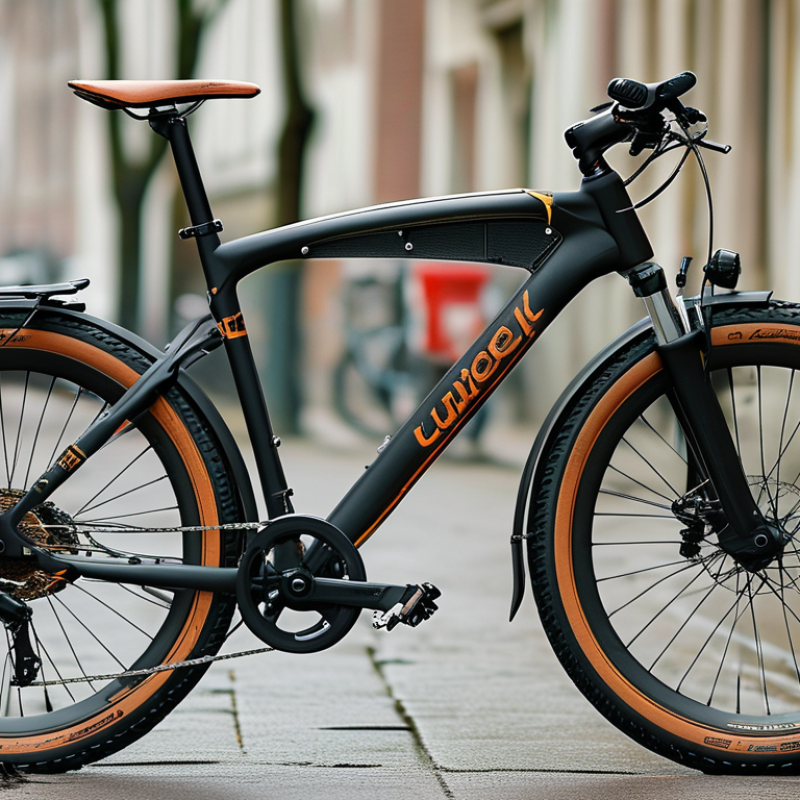
How to Choose the Right Bike and Lock for Global Buyers?

Define Your Riding Needs, Terrain, and Travel Conditions

Choosing a bike starts with your daily route, not its appearance. A city commuter needs upright comfort, reliable brakes, and simple maintenance. A touring rider may need wider tires, stable handling, and space for bags. Measure your inseam and test the reach before buying. Your knees should feel relaxed, not crowded.

Terrain changes the decision quickly. Smooth pavement suits lighter tires, while gravel and broken roads demand stronger wheels and more grip. For steep routes, check the gear range and braking control. Wet climates also require corrosion-resistant parts and regular cleaning. I once chose a lightweight bicycle for a hilly trip. It climbed well, but its narrow tires felt unstable on loose ground.

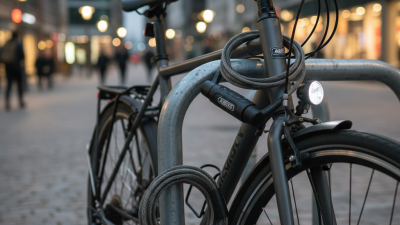
Travel conditions affect both the bicycle and your security plan. Consider storage space, rain, heat, airport handling, and the distance between parking points. A compact Bike Chain And Lock can help in crowded areas, but its length and weight still matter. Choose a lock that reaches a fixed, approved object without touching the ground. Combine it with the frame and a wheel when practical. Test the locking method at home first. Small details matter. Check local transport and parking rules before traveling. I still overlook this step sometimes, especially when an unfamiliar city seems easy to navigate. Your riding habits may also change after arrival, so leave room to adjust your setup.

How to Choose the Right Bike and Lock for Global Buyers?

Select a bike according to your terrain and travel conditions, then match the lock to the time and location where the bike will be parked. The chart shows practical tire-width ranges commonly used for different riding environments.

Compare Bike Types, Sizes, Materials, and Essential Features

Choosing a bike begins with the roads you actually ride. A city bike suits paved commutes, while a mountain bike handles gravel and uneven trails. Hybrid models offer a practical middle ground for mixed routes. Measure your inseam, not only your height, before selecting a frame. Your knee should remain slightly bent at the pedal’s lowest point. Small sizing errors become painful on long rides. Bigger is not always better.

Tips:
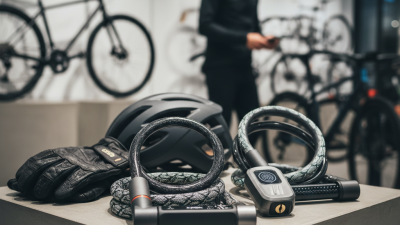
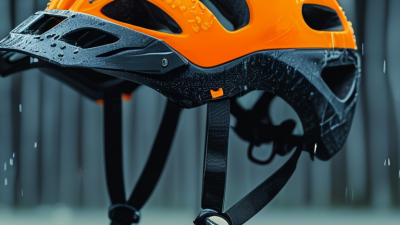
Compare aluminum, steel, and carbon fiber carefully. Aluminum is light and practical, while steel often feels stable and repairable. Carbon fiber can reduce weight, but it usually needs more careful handling. Check tire width, gear range, brake performance, lights, fenders, and rack mounts. A Bike Helmet And Lock should match your daily risks, storage conditions, and local safety requirements. Choose a certified helmet that fits firmly without pressure points. Select a strong lock that suits the bike’s value and parking environment.

For global purchases, confirm frame measurements in centimeters and inches. Ask about replacement parts, assembly instructions, warranty terms, and shipping damage procedures. Local weather also matters. Rain, salt, dust, and heat can affect components quickly. Test the riding position when possible. Online size charts help, but they are not perfect. A bike that looks ideal may feel awkward after ten minutes. Reflect on your real route, including stairs, traffic, hills, and storage space.

Check Local Standards, Availability, and Import Considerations

How to Choose the Right Bike and Lock for Global Buyers?

Check Local Standards, Availability, and Import Considerations

A suitable bike must match local roads, weather, and transport rules. Check wheel size, brake requirements, lighting, reflectors, and approved safety equipment before ordering. Standards differ between cities and countries. A bike designed for smooth streets may struggle on uneven roads or steep hills. Measure twice.

Availability matters after purchase. Confirm whether replacement tubes, brake pads, chargers, and compatible lock parts are sold locally. Ask a nearby repair shop about common sizes and service skills. An unfamiliar component can turn a small repair into a costly delay. Ask locally.

Locks also need practical testing. Choose a design that fits public racks and your bike frame, not only the wheel. Check its security rating through independent testing where available. Confirm that the key system supports legal duplication in your destination. Some electronic locks may create battery or software problems during travel. Keep records.

Import planning deserves equal attention. Review customs duties, product labeling, battery transport rules, warranty limits, and required invoices before payment. A customs office or qualified broker can confirm current requirements more reliably than a seller’s assumption. Use accurate product descriptions and declared values. I once underestimated delivery delays caused by missing paperwork, and that mistake changed the entire buying plan. Allow extra time, especially during seasonal shipping periods.

How to Choose the Right Bike and Lock for Global Buyers? - Check Local Standards, Availability, and Import Considerations

Practical comparison of bicycle standards, e-bike rules, lock selection, availability, and import checks by destination market
Destination Market Relevant Bicycle Safety Standard Typical E-Bike Legal Threshold Lock Selection Guidance Local Availability Considerations Import and Compliance Checks Recommended Buyer Action
European Union EN ISO 4210 is the main bicycle safety framework for conventional bicycles. Product documentation should identify applicable harmonized or national requirements. For a pedal-assist EPAC generally treated as a bicycle: motor assistance up to 250 W rated continuous power and assistance cut-off at 25 km/h, with pedaling required. For routine urban use, choose a hardened U-lock or high-quality folding lock. For higher theft-risk areas, combine a primary lock with a secondary cable or chain and secure the frame to a fixed object. City-bike, trekking, road, mountain, cargo, and commuter formats are widely available, but stock and spare parts vary by country and city. Check CE-related product documentation, battery transport rules, customs classification, VAT, and whether the product falls outside the ordinary bicycle category because of speed or power. Ask for the rated motor power, assistance cut-off speed, battery specifications, conformity documents, charger compatibility, and replacement-part support before purchase.
United States CPSC 16 CFR Part 1512 covers federal bicycle requirements, including brakes, reflectors, steering, pedals, tires, and structural safety provisions. E-bike definitions are not fully uniform nationwide. Many jurisdictions use a three-class model with 750 W maximum motor output and speed limits commonly set at 20 mph or 28 mph depending on class. A hardened U-lock is a practical primary choice. Select a longer shackle for thick frames or difficult parking fixtures, and verify that the lock can secure the frame rather than only the front wheel. Availability differs considerably between states. Cargo bikes, fat-tire models, folding bikes, and e-bikes may require specialized local servicing and compatible replacement batteries. Confirm federal import requirements, state and municipal e-bike definitions, battery shipping restrictions, charger input compatibility, tariffs, and any required safety labeling. Identify the intended state and riding class first. Then confirm maximum assisted speed, motor rating method, required reflectors, warranty coverage, and local repair access.
Canada Bicycles should meet applicable Canadian safety requirements; importers commonly review federal consumer-product rules and provincial or territorial road-use requirements. Many provinces define power-assisted bicycles around a maximum motor output of 500 W and a maximum assisted speed of 32 km/h, but licensing, helmet, and age rules can differ. Use a corrosion-resistant U-lock or chain suitable for cold and wet conditions. A secondary locking device is useful where bicycles are left outdoors for extended periods. Winter tires, fenders, lights, racks, and corrosion-resistant components are more relevant in colder regions. Service availability may be seasonal outside major urban areas. Check provincial classification, bilingual labeling where required, battery transport conditions, customs duties, taxes, and whether the charger is suitable for local electrical supply. Select equipment for the local climate and confirm that the battery, charger, tires, brakes, and replacement parts can be serviced within the buyer’s province.
United Kingdom BS EN ISO 4210 is commonly referenced for bicycle safety. UK product and road-use requirements should be checked separately for ordinary bicycles and electrically assisted cycles. A pedal cycle with electric assistance is generally limited to 250 W maximum continuous rated power and assistance cut-off at 15.5 mph, with pedals required. Choose a hardened D-lock or substantial chain. Look for a lock independently tested to a recognized security scheme if insurance or institutional parking requirements apply. Urban commuter, folding, touring, and e-bike products are common, while local demand for mudguards, lights, and weather-resistant components is high. Check UKCA or applicable conformity arrangements, battery and charger documentation, import VAT and duty, road classification, and whether a faster or more powerful model becomes a motor vehicle. Confirm the exact assisted speed in mph, continuous rated power, pedal-assist operation, lighting equipment, and lock-security requirements from the intended insurer or parking provider.
Australia AS/NZS 1927 is a key bicycle safety standard reference. Road-use rules are administered by states and territories. The common federal model for pedal-assist bicycles is up to 250 W and assistance cut-off at 25 km/h, although local enforcement and vehicle categories should be verified. Select a weather-resistant U-lock or hardened chain. For outdoor parking, prioritize resistance to cutting tools and use two independent locking points where practical. Commuter, hybrid, road, mountain, and utility bikes are broadly available. Heat, sun exposure, and long distances can affect battery storage and service planning. Check state or territory rules, electrical safety documentation, battery transport restrictions, import duty and GST, charger compatibility, and labeling requirements. Verify the destination state, confirm the bicycle’s power and speed classification, and ask how the battery should be stored and serviced in hot conditions.
Japan JIS D 9111 is a relevant Japanese standard reference for bicycles. Japanese road-use and vehicle classifications should be checked for each model. Pedal-assisted bicycles are subject to specific Japanese assistance-ratio and speed requirements; models designed for other markets may not qualify without verification. A compact U-lock or hardened chain suits dense urban parking. Choose a design that works with smaller parking spaces and can secure the frame to an approved fixture. Compact city bicycles, utility models, folding bicycles, and small-wheel formats are common. Parking space and storage size are important selection factors. Check Japanese conformity requirements, road classification, battery and charger compatibility, customs procedures, Japanese-language documentation, and local registration obligations where applicable. Do not assume a foreign-market e-bike is road-legal. Obtain a Japanese specification sheet and verify the assistance system before importing.
New Zealand AS/NZS 1927 is a relevant bicycle safety reference, with local product and road-use rules applying to bicycles and power-assisted cycles. Power-assisted cycles are commonly defined around a maximum motor output of 300 W, with road-use conditions and equipment requirements applying separately. Use a hardened U-lock or chain sized for the frame and local parking fixture. A second lock is advisable for commuter bikes left in public areas. Urban commuter and recreational bicycles are available, but remote-area buyers should plan for shipping time, spare tubes, brake parts, and battery servicing. Review import biosecurity requirements, customs charges, battery transport rules, electrical compatibility, and documentation for the motor and battery system. Confirm the motor rating, local classification, helmet and lighting requirements, and the availability of authorized service or compatible replacement parts.
Important: Bicycle, e-bike, customs, battery, helmet, lighting, and registration rules can change and may differ within a country. Confirm the current requirements with the destination country’s customs authority, transport authority, and local government before placing an international order.

Assess Lock Security Levels Against Common Theft Risks

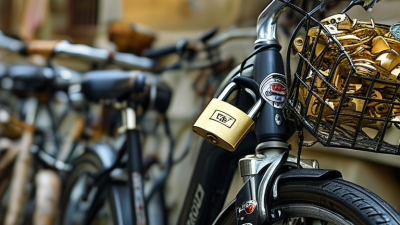
Choosing a bike for international use also means choosing a lock for realistic theft risks. A lightweight cable lock may stop casual grabbing, but it offers limited resistance against cutting tools. A hardened chain or compact U-lock usually provides stronger protection. The best choice depends on the bicycle’s value, parking location, and daily routine.

Consider security levels as practical risk categories, not perfect promises. In a busy, supervised area, a medium-security lock may discourage opportunistic theft. Quiet streets, overnight parking, and crowded transport hubs require a stronger lock with protected locking points. Look for hardened steel, a reliable cylinder, and a size that leaves little space for leverage. My early mistake was buying a lock that was secure but too heavy to carry. It stayed at home.

Use two different locking methods when the risk is higher. Secure the frame and both wheels to a fixed, approved object. Keep the lock away from the ground, where tools gain less leverage. Check the frame clearance carefully; a lock that barely fits becomes frustrating. It may be ignored. A visible Bike Lock And Helmet routine also shows careful ownership, but appearance alone cannot replace tested resistance. No rating is absolute. Weather, poor maintenance, and rushed parking can weaken good security choices. Personally, I would rather accept a small weight penalty than discover an empty parking space.

Match Lock Types, Weight, Portability, and Mounting Options

Choosing a bicycle for international travel starts with the lock, not only the frame. A lightweight folding bike may fit airline limits, yet its thin tubes can restrict mounting space. Check the frame triangle, rack points, and handlebar clearance before buying. Weight matters. A heavy lock protects well but can make a daily ride unpleasant. For short city stops, a hardened chain offers flexible positioning around poles and rails. A rigid U-lock usually gives stronger resistance with less carrying movement.

Match the lock to your parking habits. If you use a secure indoor room, a compact cable may suit quick errands. For exposed street parking, choose a hardened shackle or chain with a protected cylinder. A Bike Lock And Alarm can add a loud warning when someone bumps or moves the bicycle. Treat the alarm as an alert, not a substitute for physical security. Battery life, weather sealing, and audible reliability deserve a real test. Test it. Wet weather can reveal weaknesses that a shop floor never shows.

Portability changes how often owners actually use a lock. A frame-mounted bracket keeps it stable, but it may conflict with a bottle cage or folding hinge. Check screw spacing and frame clearance with the bike fully loaded. For backpacks, measure the lock first; sharp edges can press against your shoulders. Do not choose the smallest model automatically. No choice is perfect. An excellent lock can still fail practically if its weight makes you leave it behind.

Verify Compatibility, Maintenance Needs, Warranty, and Total Cost

Choosing a bike and lock for international use requires more than checking the frame size. Measure your height, inseam, and preferred riding position before ordering. Wheel diameter, tire width, and brake clearance must match replacement parts available in your region. For electric bicycles, verify charger voltage, battery certification, and local service support.

The lock must fit the frame, wheel, and a fixed parking object without excessive slack. A compact lock may be easier to carry, but it can limit secure parking options. Test the key angle and locking mechanism with gloves or wet hands. Maintenance also changes by location. Coastal air accelerates corrosion, while dusty roads can affect chains, bearings, and lock cylinders. Ask about cleaning intervals and common replacement parts.

Warranty details deserve careful reading. Confirm whether coverage applies internationally, who pays return shipping, and whether labor costs are included. Some warranties exclude commercial use, water damage, or unauthorized repairs. Keep purchase records and serial information safely. Calculate the total cost, including delivery, taxes, assembly, tools, maintenance, spare keys, and eventual battery replacement. I once compared only the purchase price and underestimated these expenses. That was a useful mistake. A cheaper bike may become costly when parts require long-distance shipping. Choose based on reliable support, realistic maintenance, and compatibility with your daily route.

FAQS

What local standards should I check before ordering a bike?

Check wheel size, brakes, lighting, reflectors, and approved safety equipment. Standards vary between cities and countries. Measure twice. A bike for smooth streets may struggle on steep, uneven roads.

How can I confirm replacement parts are available locally?

Ask nearby repair shops about tubes, brake pads, chargers, and compatible lock parts. Confirm common sizes before payment. An unfamiliar component can create a costly delay. Ask locally.

What should I consider when choosing a bike lock?

Choose a lock that fits the frame, wheel, and public rack. Look for hardened steel and a dependable cylinder. Check independent security testing when available. A secure lock that stays at home is not useful.

How strong should my lock be for different parking places?

Quiet streets, overnight parking, and transport hubs require stronger protection. A medium-security lock may suit busy, supervised areas. Cable locks resist casual grabbing but offer limited cutting resistance. No rating is absolute.

How should I lock the bike in a higher-risk area?

Secure the frame and both wheels to a fixed, approved object. Keep the lock away from the ground. Use two different locking methods when practical. Leave little space for leverage. Frustrating, but important.

What compatibility checks matter for an electric bicycle?

Verify charger voltage, battery certification, and local service support. Check tire width, wheel diameter, and brake clearance. Test the lock with gloves or wet hands. Small details become large problems later.

How do weather and roads affect maintenance?

Coastal air can accelerate corrosion. Dusty roads may affect chains, bearings, and lock cylinders. Ask about cleaning intervals and replacement parts. I once underestimated maintenance needs. That mistake was expensive.

What import and warranty costs should I calculate?

Review customs duties, product labels, battery transport rules, invoices, and warranty limits. Confirm international coverage and return-shipping responsibilities. Include delivery, taxes, assembly, tools, spare keys, maintenance, and battery replacement. Keep records.

Conclusion

Choosing the right Bike And Lock combination begins with understanding how and where you will ride. Consider your daily distance, riding position, terrain, climate, road conditions, and whether the bike will be used for commuting, recreation, touring, or travel. Compare suitable bike types, frame sizes, materials, braking systems, gears, tire width, comfort features, and carrying capacity. Buyers in different regions should also check local equipment standards, product availability, import requirements, replacement parts, and service access before making a decision.

A suitable lock should reflect the theft risks in the places where the bike will be parked. Compare security levels, lock designs, weight, flexibility, portability, and mounting methods, while choosing a balance between protection and everyday convenience. Before purchasing, confirm that the lock fits the frame and a secure fixed object, and that the bike’s components are compatible with your needs. Finally, review maintenance requirements, warranty coverage, expected service life, delivery costs, and the total ownership cost to make a practical, reliable choice.
Isabelle

Isabelle

Isabelle is a dedicated marketing professional at Wenzhou Naibao Lock Industry Co., Ltd., where she leverages her expertise to enhance the company’s visibility in the competitive market of lock manufacturing. With a profound knowledge of the company's innovative products, she crafts engaging and......
Previous China Top 10 Bike Lock Helmet Suppliers