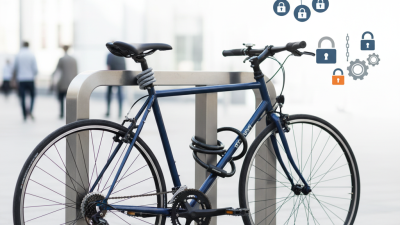
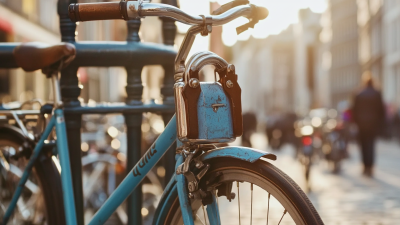
Picking out the right lock for your bike? Honestly, it’s a pretty big deal for any cyclist. With bike thefts definitely on the rise, you really don’t want to skimp on security. I was chatting with David Smith, a security expert from BikeSafe Inc., and he told me, “A durable lock is your best bet against thieves.” That really hits home, right? It shows just how important it is to find a lock that’s secure but also easy enough to use.
Now, there’s a smorgasbord of options out there—U-locks, CHAIN LOCKs, folding locks—you name it. Each one has its own pros and cons when it comes to security and portability. But here’s the thing—not all locks are created equal. Some of the cheaper ones just don’t have the strength to fend off skilled thieves. So, before you buy, it’s smart to check out the material, how the lock actually works, and its ratings for resisting theft.
Sure, some riders go for lighter locks because they’re easier to carry around—that’s understandable. But honestly, that can sometimes mean sacrificing security. A heavier, sturdier lock might be a pain to carry, but it often keeps your bike way safer. Taking a bit of time to do your homework on this stuff really pays off down the line. After all, choosing the right lock not only helps keep your bike safe but also reflects your personal style and how much you care about your ride.
Understanding the Importance of Choosing the Right Bike Lock
Choosing the right bike lock is crucial for protecting your investment. A reliable lock keeps your bike safe from theft, allowing you to enjoy riding without worry. Many cyclists underestimate this importance. Understanding the options available is essential.
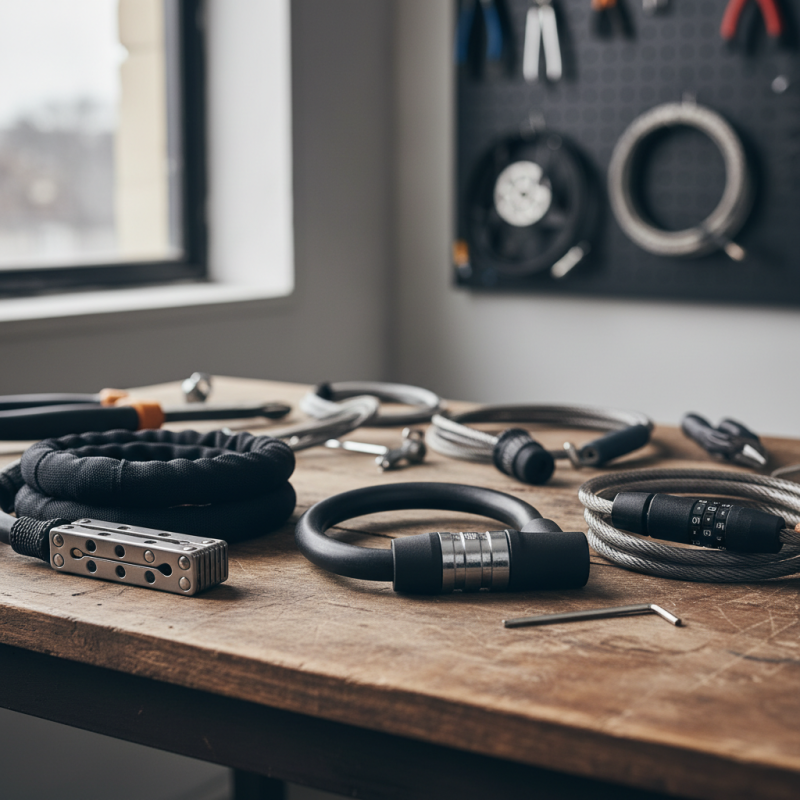
When selecting a lock, consider the type of lock you need. U-locks are typically robust and hard to break. Chains offer flexibility but may be heavier. Cable locks are lightweight, but they provide less security. Choose based on your usage and environment. Always think about the level of theft risk in your area.
Tips: Assess the materials used in the lock. Stronger materials often deter thieves. Always test the lock mechanism before purchasing. A reliable lock should feel solid and secure. Remember, even the best China Bike Lock Bike Lock isn't invincible. Regularly check your lock for wear and tear. It’s wise to remain vigilant and adapt when necessary.
How to Choose the Best Lock for Your Bike? - Understanding the Importance of Choosing the Right Bike Lock
| Lock Type | Security Rating | Weight (lbs) | Price Range ($) | Best Use Case |
| U-Lock | High | 3-5 | 50-120 | City commuting |
| Chain Lock | Medium to High | 5-10 | 30-80 | Long-term locking |
| Folding Lock | Medium | 3-5 | 60-100 | Flexible locking |
| Cable Lock | Low to Medium | 1-3 | 10-30 | Quick stops |
| Smart Lock | High | 2-4 | 100-250 | Tech-savvy users |
Types of Bike Locks: An Overview of Options Available
When selecting a bike lock, understanding the various types available is crucial. Bike locks mainly fall into three categories: chain locks, U-locks, and folding locks. According to a report by the National Bike Registry, over 1.5 million bikes are stolen each year in the United States. This statistic emphasizes the importance of securing your bike effectively.
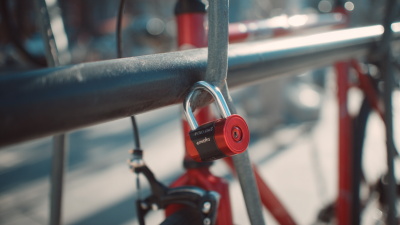
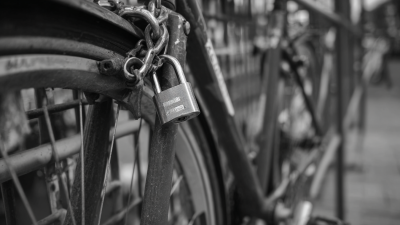
Chain locks offer flexibility and can accommodate different locking methods. However, they are often heavier and may not provide the maximum security level. U-locks, on the other hand, are popular for their robust design. A U-lock can resist cutting and leverage attacks, making it a preferred choice among urban cyclists. Folding locks are a newer option, striking a balance between portability and security. They provide versatility, folding easily for transport.
When considering an OEM Bike Lock Bike Lock, focus on safety ratings and ease of use. Not all locks are created equal. An inexpensive option may not stop a determined thief. Data from cycling advocacy groups indicates that a lock rated "5" or above on a security scale offers significant protection. Choosing the right lock involves weighing factors like convenience, weight, and theft deterrence. Each type has its strengths and weaknesses, which can lead to reflection on your needs and habits.
Types of Bike Locks: An Overview of Options Available
Evaluating Security Levels: What Makes a Lock Secure?
Choosing the right lock is crucial for bike security. A secure lock can deter thieves and protect your investment. Studies show that over 1.5 million bikes are stolen each year in the U.S. alone. The key factors that make a lock secure include material strength, locking mechanism, and design. For instance, hardened steel resistant to cutting is a must.
Different types of locks offer varying levels of security. U-locks and chain locks generally provide more protection than cable locks. A report by the Bike Security Institute found that U-locks can withstand average attack methods for longer durations. However, even the best locks can be compromised. No lock is entirely foolproof, so consider using more than one lock type for added security.
Tips:
- Always secure both the frame and the wheels.
- Use a lock with a high-security rating, like those classified by Sold Secure or ART.
- Regularly inspect your lock for wear. A worn lock can be easier to pick or break.
- Be mindful, as even top-rated locks can be vulnerable under specific conditions.
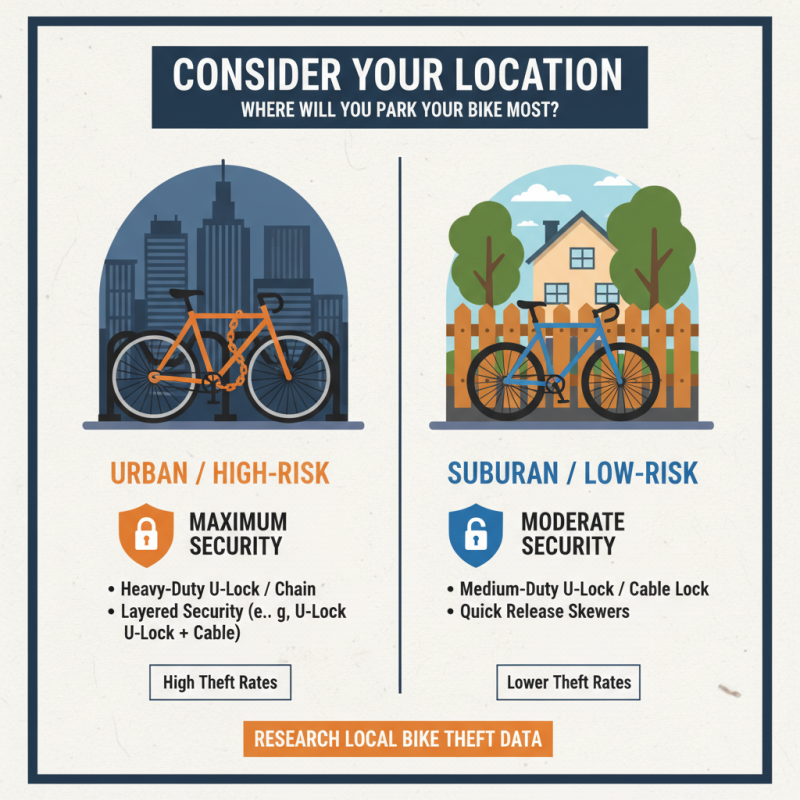
Consider Your Location: Where Will You Park Your Bike Most?
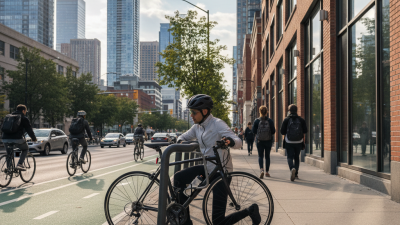
Choosing the right lock for your bike often depends on where you plan to park it. In urban environments, bike theft is a real concern. You might have seen or heard stories of bikes disappearing overnight. The risk increases in high-traffic areas with many potential thieves. Knowing the theft rates in your location can guide your choice.
Consider your parking habits. Will you leave your bike outside a coffee shop, or in a busy city square? A Custom Bike Lock Bike Lock is essential for such scenarios. These locks are often more difficult to break and can deter thieves. However, remember that no lock is foolproof. The best lock can still be defeated with enough time and the right tools.
Reflect on your experiences. Maybe you've parked your bike in a seemingly safe area, only to find it gone later. Such moments can teach valuable lessons. They remind us to evaluate our locking strategies regularly. A sturdy lock can make a difference, but awareness of your environment is crucial as well. Each location presents unique challenges; understanding them can lead to better security practices.
Assessing Weight and Portability for Convenient Use
When choosing a lock for your bike, weight and portability are key factors. A heavy lock might offer higher security, but it can be a hassle to carry around. According to a recent survey by the National Bicycle Crime Prevention Coalition, 40% of cyclists reported that they often leave their bike unsecured due to the inconvenience of carrying a bulky lock. Balancing security and ease is essential.
Tips
Choose a lock made of lightweight materials, like aluminum or high-grade plastic. These options can offer good security without the unwanted weight. Consider getting a lock that fits easily in your bag or can be mounted on your bike.
Some users prefer folding locks for their versatility and portability. They can be compact when folded, yet provide solid security when in use. However, check their durability thoroughly; some may not withstand harsh conditions. Remember, a lock is only as reliable as its construction.
Weight matters, but so does confidence in your choice. Using a lock that feels secure can motivate you to ride more often. Research from biking circles shows that convenience can lead to safer habits. The right lock can enhance your biking experience while keeping your bike secure.
Budget Considerations: Finding a Lock that Fits Your Price Range
When selecting a bike lock, budget plays a crucial role. Prices can range widely, from affordable to premium. Lower-cost locks might seem tempting, but they often lack quality. A $20 lock may provide basic protection, but it could fail against determined thieves. Investing slightly more can yield better security features and materials. Aim for a lock that fits both your security needs and your budget.
Consider what you’re protecting. If your bike is expensive, spending a bit more is wise. High-quality locks, though pricier, can deter theft effectively. Look for features like hardened steel, anti-pick mechanisms, and a reliable locking system. It's essential to balance cost and effectiveness. A mid-range lock may offer sufficient security without breaking the bank.
Don’t forget to account for potential costs of theft. Imagine the pain of losing your bike. It’s often far greater than the price of a quality lock. Research shows that investing in the right lock might save you money in the long run. However, remember that there’s no foolproof solution. Even the best locks can fail under certain circumstances. Reflect on your riding habits and locations to make a well-informed choice.
Maintenance Tips for Keeping Your Bike Lock in Good Condition
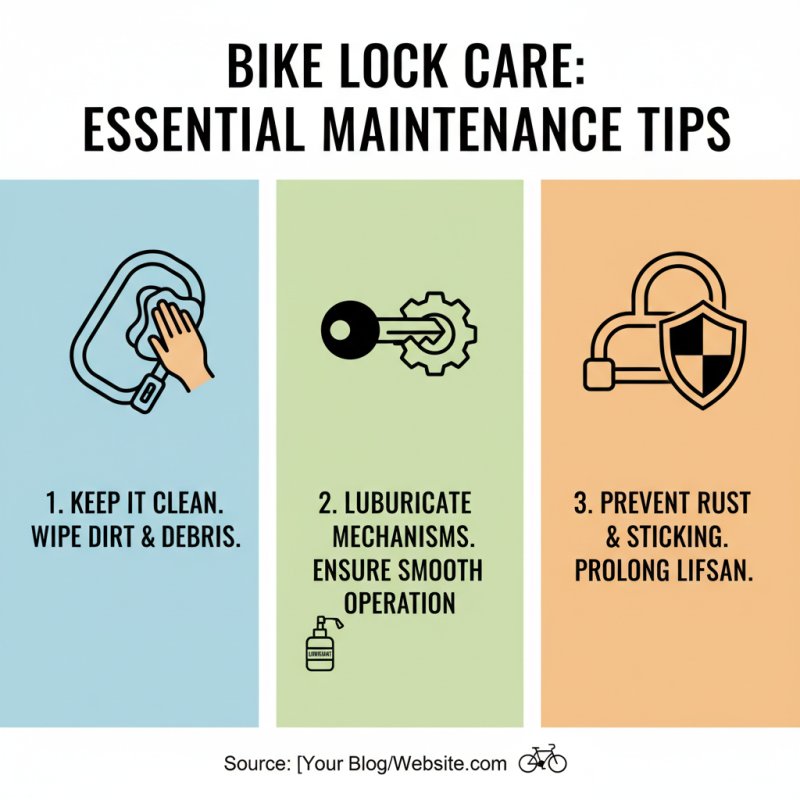
When caring for your bike lock, regular maintenance is essential for longevity. Keeping it clean helps prevent rust and ensures smooth operation. Remove dirt and debris with a soft cloth. Pay attention to key and locking mechanisms. They require lubrication for optimal performance. A little bike lock lubricant can go a long way.
Inspect your lock regularly. Look for visible signs of wear. Any damage could compromise your bike's security. If you notice difficulty inserting the key, it may be time for a professional check-up. A preventive approach saves you from future headaches.
Storing your lock properly is also crucial. Avoid leaving it exposed to harsh weather conditions. Store it indoors whenever possible. If you plan to use a Wholesale Bike Lock Bike Lock, make sure it comes with robust weather resistance features. Proper care extends the life of your lock and enhances your bike's security.
Enhancing Security: Insights from Global Market Trends on the New Anti-Theft Folding Lock with Brass Keys 800mm
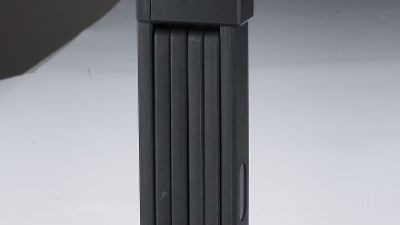
In today's evolving security landscape, the introduction of innovative anti-theft solutions is crucial for safeguarding valuable assets. A prime example is the new anti-theft folding lock, featuring a robust design with a zinc alloy lock cylinder and an ABS case, ensuring maximum durability and resistance to environmental elements. Measuring at 800mm with a diameter of 7mm, this lock combines strength with versatility, making it ideal for securing bikes, e-bikes, scooters, gates, and more.
The lock is equipped with anti-tamper steel rivets and a multi-locking guard system, significantly enhancing its effectiveness against theft. This advanced locking mechanism not only stops potential thieves but also provides peace of mind for users who need a reliable security solution. Additionally, its weather and rust-resistant properties contribute to a longer lifespan, allowing for reliable use in various conditions. Designed for ease of use and portability, this lock presents a practical solution for those looking to enhance their security measures without the hassle of cumbersome equipment.
FAQS
: Your location matters significantly. High-traffic areas have more thefts. Know the theft rates in your area to choose wisely.
Think about where you park. Outside cafes or busy squares needs a more robust lock. Thieves tend to target those areas.
No lock is foolproof. Even the best can be defeated with enough time and tools. Always stay aware of your surroundings.
Past thefts teach us valuable lessons. Losing a bike, even from a safe spot, can lead to better locking strategies.
Balance security and portability. Heavy locks may deter theft, but they can be inconvenient to carry. A compromise is essential.
Lightweight materials like aluminum or high-grade plastic provide security without excess weight. Choose locks that fit your lifestyle.
Folding locks offer portability and security. However, check durability; some may not withstand harsh conditions.
Using a lock that feels secure can boost your biking frequency. Convenience often leads to safer locking habits overall.
Conclusion
Choosing the right lock for your bike is crucial for ensuring its security and your peace of mind. Understanding the various types of bike locks, such as U-locks, chain locks, and folding locks, allows you to select the option that best fits your needs. Evaluating the security levels of a lock involves considering its material, design, and resistance to tampering. Additionally, think about where you typically park your bike, as certain environments may require more robust security.
Weight and portability are also essential factors, particularly for commuters who frequently transport their locks. Balancing your budget with effective security options can help you find the best lock for the bike without overspending. Lastly, regular maintenance is key to prolonging the life of your lock, ensuring that it remains functional and secure throughout its use. By carefully considering these aspects, you can choose a lock that provides the best protection for your bicycle.