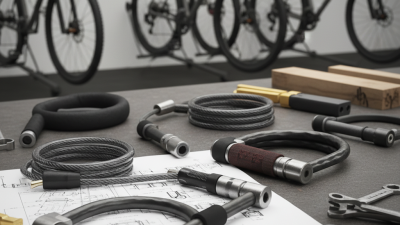
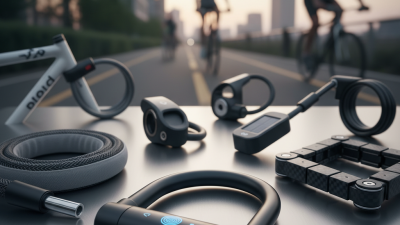
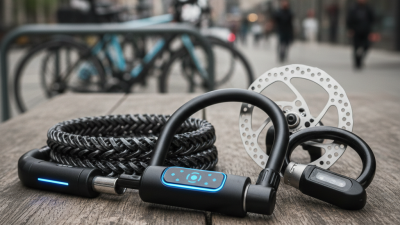
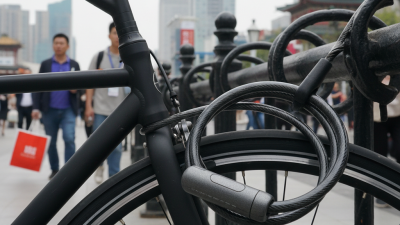
Picking out the right lock for your bike might seem like a small thing, but honestly, it’s super important for keeping your ride safe. A good quality lock can really scare off any would-be thief. With so many options out there, it’s kinda overwhelming, right? That’s why it’s worth taking the time to choose wisely. The effectiveness of a lock really depends on what kind it is and how it’s made. You’ve got U-locks, chain locks, folding locks—all with their own pros and cons. Like, a U-lock is usually pretty tough and compact, but some models might be easier to cut through than others.
Brands like Kryptonite and Abus are pretty trusted, but even the best locks aren’t invincible. If you’re traveling or parking somewhere unfamiliar, you’ve gotta be extra careful. Not every lock fits every situation — you gotta think about the neighborhood, how long you're leaving your bike, and stuff like that. Thieves are pretty clever, and a cheap lock can totally invite trouble.
As you look around, don’t just go for the cheapest option. Think about how secure it really is. Sometimes, dropping a bit more cash on a sturdy lock can give you peace of mind. In the end, spending some time picking out the right lock is totally worth it — your bike’s safety depends on it. For every cyclist, finding a good lock isn’t just a chore; it’s an essential part of the whole biking adventure.
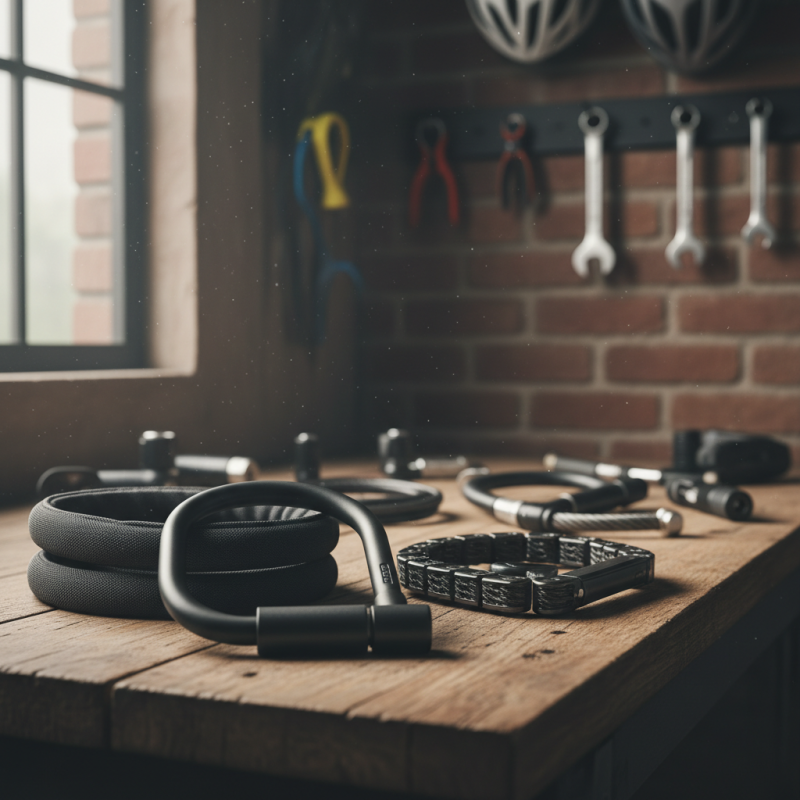
Understanding Different Types of Locks: U-Locks, Chains, and Folding Models
Choosing the right bike lock is essential for protecting your investment. U-locks, chains, and folding locks are three common types, each with unique features. U-locks provide excellent security. They boast a hardened steel construction resistant to cutting and leverage attacks. In fact, reports show U-locks deter 70% of theft attempts when used correctly.
Chains offer flexibility. They can wrap around various objects, making them versatile. However, the weight of heavy-duty chains can be a drawback for some cyclists. A recent study revealed that long chains provide less security than shorter ones, as they are easier to manipulate. Remember, the longer the chain, the more vulnerability it has.
Folding locks strike a balance between size and flexibility. Lightweight and compact, they can fit into a backpack easily. Yet, their security level often falls short compared to robust U-locks. The cycling community prioritizes understanding these options. Surveys indicate that over 40% of cyclists don’t consider lock security before purchasing.
Investing time in researching locks can save future headaches. Cyclists must reflect on their locking habits and environments. When in China, seeking a reliable China Bike Lock is vital. Security should never be compromised.
Evaluating Security Ratings: How to Interpret Sold Secure and ART Ratings
When choosing a bike lock, understanding security ratings is crucial. Two prominent rating systems are Sold Secure and ART. These ratings assess the durability and theft resistance of locks. Sold Secure gives grades from Bronze to Platinum, based on tests simulating real-world theft attempts. ART uses a similar system, providing a safety certification with three levels. Locks rated higher typically offer better protection.
In recent studies, over 1.5 million bikes are stolen each year in the United States, emphasizing the importance of choosing the right lock. Consumers often overlook the details that matter. A Silver or Gold-rated lock can deter thieves effectively, while lower-rated options may be easier to break. Many users think that any lock will do, but data shows that investing in a high-quality lock reduces theft risk significantly.
It's essential to reflect on why some locks fail. Common issues include inadequate locking mechanisms and weaknesses in materials. While a good OEM Bike Lock can offer longevity, understanding its rating helps ensure you are making a wise choice. Evaluating your environment and usage can also inform your decision. A lock that performs poorly in one area may succeed in another. Make an informed choice to secure your bike effectively.
How to Choose the Best Lock for Your Bike安全保证? - Evaluating Security Ratings
| Lock Type | Security Rating (Sold Secure) | ART Rating | Weight (kg) | Price (USD) |
| U-Lock | Gold | 2 stars | 1.5 | 50 |
| Chain Lock | Silver | 3 stars | 2.5 | 40 |
| Folding Lock | Gold | 4 stars | 1.2 | 70 |
| CABLE LOCK | Bronze | 1 star | 0.8 | 25 |
Assessing Convenience vs. Security: The Balance in Lock Selection
Choosing the right bike lock requires a careful examination of convenience and security. Many cyclists prioritize ease of use. A lightweight lock that fits easily into a bag may seem appealing. However, reports from the National Bike Registry indicate that around 1.5 million bicycles are stolen every year in the U.S. alone. This alarming statistic highlights the need for more secure options.
Security ratings of locks are crucial. For example, U-locks typically offer higher protection than cable locks. The severity of theft can greatly impact cyclists. According to a study by the Bicycle Security Company, 70% of bike theft victims reported not being able to replace their stolen bikes. Lock ratings, like Sold Secure and ART, provide guidelines on which locks resist tampering best.
Striking a balance between convenience and security is essential. A hefty lock may deter thieves but can be cumbersome to carry. Conversely, a lightweight option may not offer adequate protection. Reflecting on personal experiences with bike theft can help guide this choice. Ultimately, riders should assess their regular parking environments and the value of their bikes to make an informed decision.
The Impact of Lock Materials on Durability and Theft Resistance
Choosing the right lock for your bike involves understanding the impact of materials on durability and theft resistance. Many bike locks are made from hardened steel, which offers excellent resistance to cutting and drilling. Look for locks that have a thick, robust body. The thicker the metal, the harder it is for thieves to break through.
On the other hand, some locks use lightweight materials. These might be convenient to carry but often compromise security. If a lock feels flimsy, it probably is. Many users make the mistake of prioritizing convenience over security, which can lead to regret.
In addition, the locking mechanism matters. U-locks and chain locks are generally more secure than cable locks. However, not all U-locks are created equal. Some have weak cylinders that can be picked easily. It's essential to balance weight and strength. A bulky lock may deter thieves, but can also deter you from carrying it. Consider your environment and your bike's vulnerability. Each choice carries its weight in security or ease of use.
Pricing Analysis: Budgeting for Effective Bike Security Solutions
When considering bike security, pricing is crucial. A study by the National Bike Registry found that nearly 1.5 million bikes are stolen each year in the U.S. The average cost of a high-quality lock can range from $40 to over $150. This range reflects the differences in materials, security ratings, and features. A basic U-lock offers decent protection, while more advanced locks incorporate cutting-edge technology.
Investing in security is essential. According to the Bicycle Security Report, around 90% of stolen bikes were not locked with a high-security option. Calculating the potential loss of a bike can help justify a higher upfront cost. The average replacement cost for a stolen bike is approximately $500. Spending $100 on a reliable lock can save you significantly in the long run.
Finding the right balance between budget and security is not easy. Often, cheaper locks use materials that can be cut or broken easily. Look for locks with a Sold Secure rating or similar certifications. These metrics provide insights into their reliability. Sometimes, the most affordable option can lead to higher expenses later. Always consider the value of your bike and choose a lock accordingly.
Recent Theft Statistics: How Lock Choice Affects Risk Levels
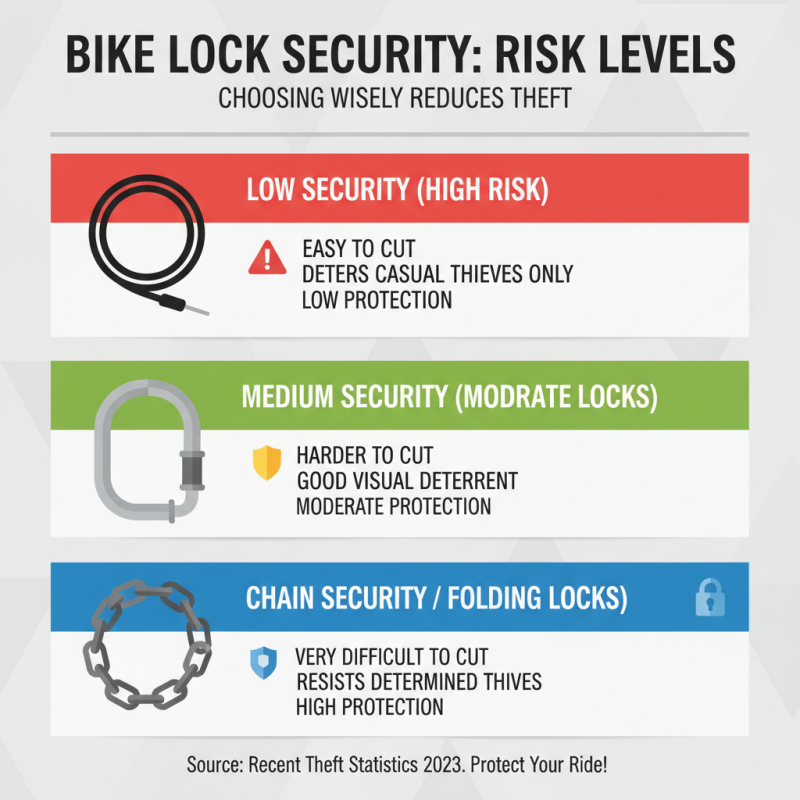
Choosing the right bike lock is crucial for safeguarding your bicycle from theft. Recent statistics reveal that the type of lock you use can significantly impact the risk of theft. For instance, a simple cable lock may only deter casual thieves. In contrast, heavy-duty U-locks or high-security chains often provide better protection against determined criminals. Understanding these dynamics can help you make informed decisions.
When selecting a lock, evaluate its security level and your biking habits. If you ride in crowded areas, a robust Custom Bike Lock Bike Lock is essential. These locks often feature strengthened materials and complex locking mechanisms. However, even the best locks are not foolproof. Always secure your bike in well-lit, busy places. Thieves look for quick, easy targets.
Here are some tips to enhance your bike security. First, use more than one type of lock. Combining a U-lock with a cable lock can give you an edge. Second, lock the frame and both wheels to a solid object. Lastly, register your bike's serial number. This practice can greatly increase your chances of recovery if stolen.
Tips for Proper Lock Usage: Maximizing Security Through Best Practices
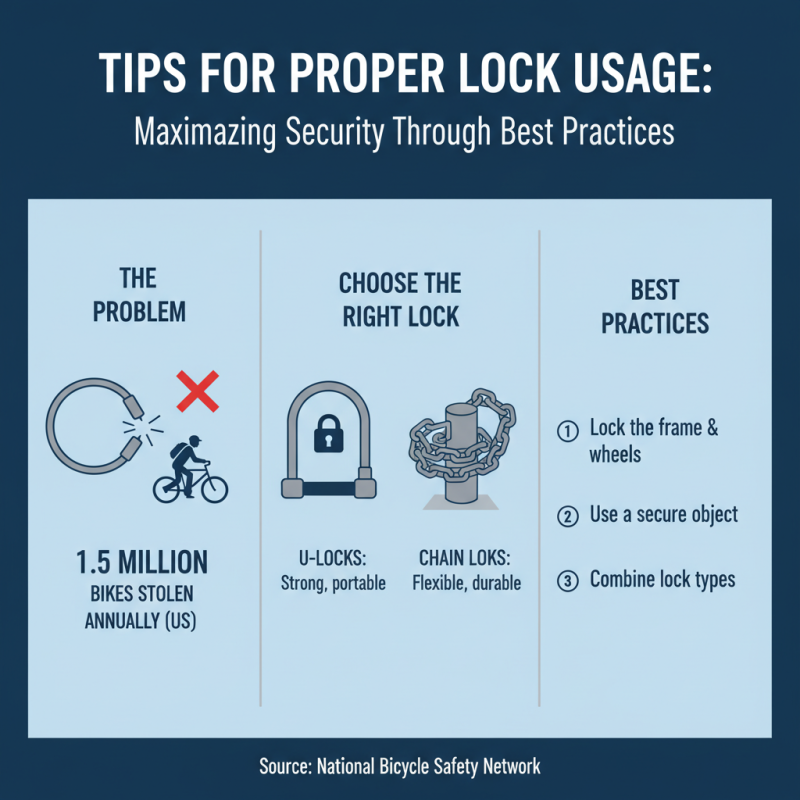
When securing your bike, understanding proper lock usage is crucial. A study by the National Bicycle Safety Network shows that about 1.5 million bikes are stolen annually in the U.S. alone. This sobering statistic highlights the importance of choosing the right lock. Various lock types, such as U-locks and chain locks, each have their pros and cons.
Tips for proper lock usage include securing your bike in well-lit areas. A thief is less likely to attempt a robbery in a visible place. Always lock your bike frame and both wheels to a sturdy object. Investing in a high-quality lock can be a better option than a cheap one. Research shows that using two different types of locks can also deter thieves. A U-lock paired with a cable lock can provide extra security.
Remember to avoid leaving your bike in the same spot for extended periods. A bike that remains in one place for days can attract unwanted attention. Be cautious about how you store your bike at home, as indoor thefts are rising. Use these practices to maximize security. When considering wholesale bike lock options, think about durability and theft ratings. Every small decision can protect your investment better.
Conclusion
Choosing the best lock for your bike is crucial to ensure its safety and reduce the risk of theft. There are various types of locks available, including U-locks, chains, and folding models, each offering different levels of security and convenience. Understanding security ratings, such as Sold Secure and ART, can help you interpret and compare the effectiveness of these locks. Additionally, weighing the materials used in lock construction and their impact on durability and theft resistance is essential for making an informed decision.
Budgeting for an effective lock for the bike is also important, as investing in quality security solutions can significantly reduce vulnerability to theft. Recent statistics show how lock choice can directly influence theft risk levels, emphasizing the need for proper usage and best practices. By carefully balancing convenience with security and following expert tips, cyclists can ensure their bikes remain protected against potential theft.