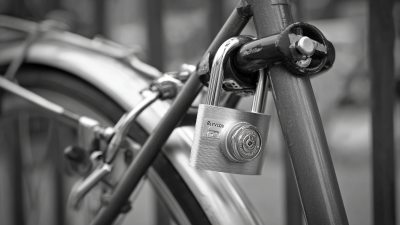
Picking the right bike lock isn’t something to take lightly if you're serious about your ride. Especially if you’ve spent a good chunk of change on your bike, keeping it safe is super important. A solid lock, like aBike Cycle Lock, can give you that peace of mind we all crave. No one wants to worry about someone snatching their bike, right?
That said, not all locks are created equal—some are definitely better at keeping thieves out than others. It’s worth taking a moment to look at what’s out there before you settle on one. Every type of lock has its pros and cons, so it really comes down to figuring out what works best for you. Think about stuff like how strong and durable it is, how much it costs, and how often you’ll be using it. Also, where you usually lock your bike matters — a lock that’s perfect for your daily commute might not be ideal for parking in busy spots.
And hey, it’s a smart idea to think about your current lock—are there things you dislike about it? Maybe it’s too heavy to carry around comfortably, or it’s a hassle to lock up your bike quickly. Having these little thoughts can help you make a smarter choice down the line. Getting a reliable Bike Cycle Lock might sound simple, but taking the time to choose wisely can really boost your safety and make locking up your bike less of a chore.
Factors to Consider When Choosing a Cycle Lock for Security
Choosing the right cycle lock is essential for ensuring your bike’s security. Security ratings offer a good starting point. Look for locks with high ratings from reputable testing organizations. These ratings indicate how well the lock withstands various attack methods. However, remember that ratings aren’t everything. Always evaluate how well the lock fits into your lifestyle.
Material and design play crucial roles in lock durability. A Cycle Bike Lock made from hardened steel can resist cutting. However, some lightweight options may be easier to carry but compromise on security. Evaluate your needs based on your bike's location. If parked in high-crime areas, choose a heavier and more robust lock. A heavier lock can deter thieves effectively.
Accessibility is another key factor. Ensure your lock is easy to use. Complicated locking mechanisms can lead to frustration, especially when in a rush. Think about whether you often ride alone or in groups. A lock that is cumbersome might be inconvenient. It’s vital to find a balance to keep your bike secure without sacrificing ease of use. Each choice involves careful consideration and some potential drawbacks.
Understanding Different Types of Cycle Locks: Pros and Cons
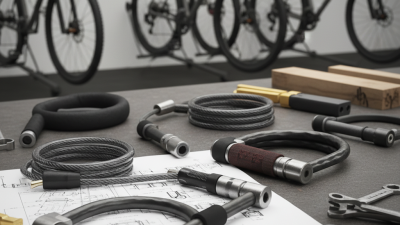
When choosing a cycle lock, understanding the different types can significantly impact your security. U-locks, for instance, are known for their durability. They usually resist cutting and leverage attacks. However, their weight can be a disadvantage for some cyclists who prefer lightweight options. A U-lock usually provides peace of mind but requires a bit of muscle to carry.
Chain locks offer flexibility in securing your bike. Their designs allow you to lock to various structures. On the flip side, they can be heavy and cumbersome. Some chains can be easily cut with the right tools, diminishing their effectiveness. It’s easy to overlook the length of the chain, which is essential for practical use.
CABLE LOCKs are another alternative, offering a lightweight option. They are easy to carry and handy for quick stops. However, their thin cables are often vulnerable to cutting, making them less secure. Many cyclists use them as secondary locks but overlook their limitations. Being aware of these pros and cons can help you make an informed choice.
Evaluating Lock Strength: What Standards to Look For
When choosing a cycle lock, evaluating lock strength is essential. Look for locks that meet industry standards. Key ratings like Sold Secure or ART can guide your decision. These organizations test locks for durability and resistance to various attacks. A higher rating indicates a stronger lock.
Consider the material of the lock. Steel is often stronger than aluminum, but many locks use a combination of materials. Look for locks with anti-pick mechanisms and hardened shackle designs. Some locks also offer features like double locking, which increases security. However, be mindful that heavier locks can be inconvenient when carrying.
Think about the type of lock that suits your lifestyle. U-locks may offer high security, while chain locks provide flexibility. Evaluate your parking area as well. A weaker lock may suffice in low-risk environments. In contrast, a stronger lock is necessary in theft-prone locations. Reflect on these aspects carefully before making a choice.
The Role of Lock Material in Durability and Resistance
When choosing a Cycle Lock, material plays a crucial role. The durability and resistance of a lock heavily depend on what it's made of. High-quality steel locks are often recommended. They tend to offer better protection against cutting and hammering. According to a report by the Bicycle Security Institute, over 60% of bike thefts involve locks that can be easily cut or broken. This highlights the importance of selecting a sturdy material for your cycle lock.
Moreover, the finish of the lock can affect its lifespan. For example, locks with a powder-coated finish resist corrosion better than those without. A study showed that locks exposed to weathering can lose 25% of their strength over time. This serves as a reminder to evaluate both the material and the protective features of a cycle lock. Sometimes, what appears strong may not hold up in real-world conditions.
Paying attention to these details is critical. Look for locks made from hardened steel, ideally with anti-drill and anti-pick features. This can significantly improve security. Nevertheless, even the best locks can fail. Always consider additional security measures alongside your cycle lock.
Weight and Portability: Finding the Right Balance for Cyclists
Finding the right balance between weight and portability is crucial for cyclists. A heavy lock can be cumbersome, especially on long rides. Yet, a lightweight Cycle Lock Chain may compromise security. This dilemma often leads to potential buyers feeling uncertain. Weighing options may require trial and error.
Consider the type of riding you often do. If commuting daily, a sturdy cycle lock chain could offer peace of mind against theft. However, if you're a recreational rider, portability may take precedence. You might find yourself wrestling with how much security you truly need. Cycling should be enjoyable, not laden with extra weight.
Not all locks are created equal. Some may seem convenient but fail under pressure. Real-world testing can reveal weaknesses. Perhaps a lock you loved ended up too heavy for your preferences. Reflecting on your past experiences can guide you in making a better choice this time. Look out for designs that balance security without adding bulk. This way, you can enjoy your rides without the extra worry.
Budgeting for a Cycle Lock: Average Costs and Value Assessments
When selecting a cycle lock, budgeting is crucial. The average cost of a good lock varies widely. You might find basic models for around $20. Higher-end options can exceed $100. This is a significant investment considering the importance of protecting your bike.
Assessing value is essential. A cheaper lock might seem appealing initially. However, if it fails to deter thieves, you could face higher costs in the long run. Investing in a more robust lock may save you from future losses. Sometimes, spending a little more can mean better protection.
Remember, not all expensive locks guarantee safety. Research is necessary to find reliable options. Read reviews and seek expert opinions to make informed choices. It’s not always clear which features matter most. Consider how often you ride and where you park. Different scenarios require different levels of security.
Top Brands and Models: Industry Recommendations and Reviews
When selecting a cycle lock, understanding key brands and models is crucial. The security industry regularly updates its recommendations based on real-world testing and user feedback. According to recent reports, around 36% of bicycles are stolen each year, emphasizing the need for effective locking systems. Chain Cycle Locks consistently rank high for their durability and strength, making them a popular choice among cyclists.
Top-rated models often feature hardened steel construction, which can resist cutting tools. In independent tests, some Chain Cycle Lock models withstood attacks for over 8 minutes, significantly deterring thieves. However, not all chain locks offer the same level of protection. It's essential to evaluate the materials and locking mechanisms. Some cheaper versions may use lower-quality metal that is more easily compromised.
Consumer reviews indicate that ease of use is also a critical factor. Many riders express frustration with heavy locks that are cumbersome to carry. This highlights the challenge of balancing security with portability. Always consider where and how you’ll secure your bike. A well-researched choice offers peace of mind, while a hasty decision can be a costly mistake. Remember, the best lock is one that fits your needs while providing reliable security.
A Comprehensive Guide to the Nurbo Black Anti-Theft Bike Chain Lock: Features, Benefits, and Installation Tips
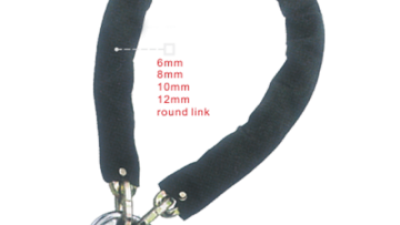
The Nurbo Black Anti-Theft Bike Chain Lock stands out as an excellent choice for those seeking security and peace of mind for their bicycles, motorcycles, and scooters. Constructed from heavy-duty hardened steel, this lock features a robust chain that ensures maximum durability and resistance against cutting and tampering. The polyester cover adds an extra layer of protection, preventing scratches and rust on both the lock and your vehicle. This thoughtful design not only enhances security but also extends the lifespan of the lock itself.
Installation and use are remarkably straightforward, thanks to its flexible design. The detachable padlock allows for convenient locking and unlocking, while the included iron keys ensure easy access for users. Measuring at 8 x 8 x 800 mm or 10 x 10 x 900 mm, the chain lock accommodates a variety of applications, making it suitable not only for bikes and scooters but also for securing doors, gates, and fences. Its sturdy construction and multi-purpose functionality make the Nurbo Black Anti-Theft Bike Chain Lock a reliable companion for safeguarding your valuable items.
FAQS
: The main types are U-locks, chain locks, and cable locks. Each has unique features.
U-locks are durable and resist cutting and leverage attacks. They offer good security.
Their weight can be cumbersome for some cyclists. They might not suit those who prefer lighter options.
Chain locks offer flexibility and can secure bikes to various structures, but can be heavy.
Some chain locks can be easily cut. Length is also crucial for practical use.
Cable locks are lightweight and easy to carry, perfect for quick stops.
Cable locks can be vulnerable to cutting, making them less secure. They may work better as secondary locks.
Good locks vary in price; basic ones start around $20, while high-end locks can exceed $100.
Not necessarily. Research is essential, as some expensive locks may not guarantee safety.
Think about how often you ride, where you park, and what level of security you need.
Conclusion
Choosing the right cycle lock is crucial for ensuring the security of your bike. When selecting a cycle lock, consider factors such as lock type, strength, and material, as each has its own advantages and disadvantages. Understanding the different types of locks, such as U-locks, chain locks, and folding locks, will help you identify the best option for your needs. Additionally, evaluating the lock's strength based on industry standards will enhance your decision-making process.
Another essential aspect is the balance between weight and portability, especially for cyclists who frequently commute. Budgeting for a cycle lock involves assessing average costs and determining the value of the lock in relation to the protection it offers. By considering these elements, cyclists can make informed choices that suit their preferences and enhance their bike's security effectively.