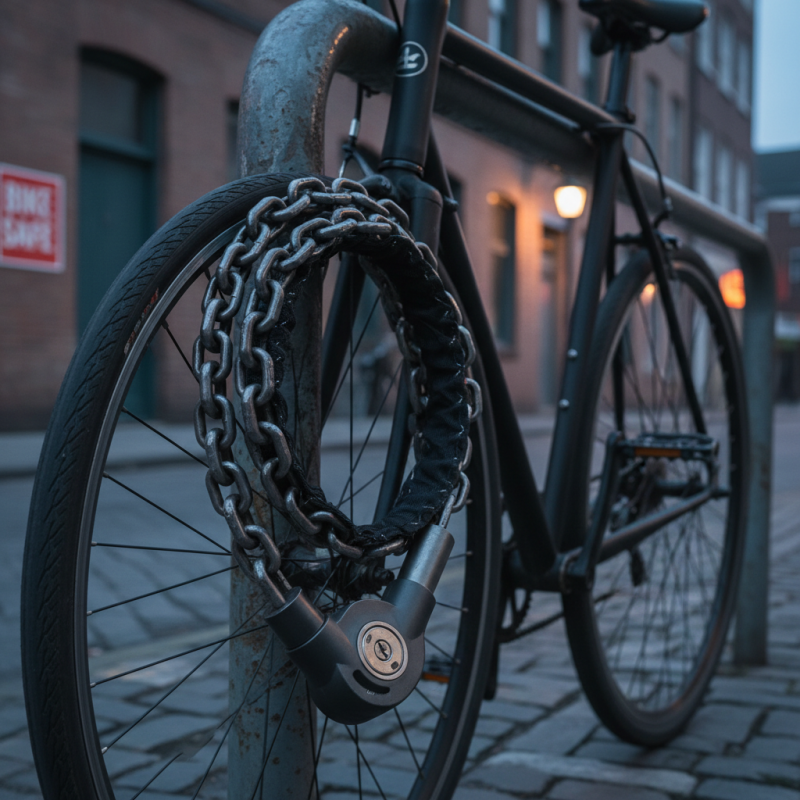
Picking out the right Cycle Lock Chain for your bike isn’t just a small detail — it’s actually pretty important. It keeps your ride safe from thieves and gives you some peace of mind. But with so many options out there, honestly, the whole selection process can get kinda overwhelming. I mean, the different materials, designs — it’s a lot to take in! And sometimes, you might think any lock will do the trick, but that’s really not the case.
A good quality Chain Lock isn’t just about price; it makes a big difference in how secure and durable it is. You’ve also gotta think about the weight — nobody wants a super heavy chain, but it still needs to be tough enough to do its job. Sadly, a lot of folks overlook those details and then end up wishing they’d chosen something better.
Of course, not every lock is perfect for every kind of bike or rider. Everyone rides differently, and each of us has our own needs. So, take a moment to think about where and how you usually cycle. That little personal touch can make finding the perfect Chain Lock a lot less of a headache. It might take a bit of time, but once you get it right, your overall riding experience will definitely feel a lot better — safer, too.
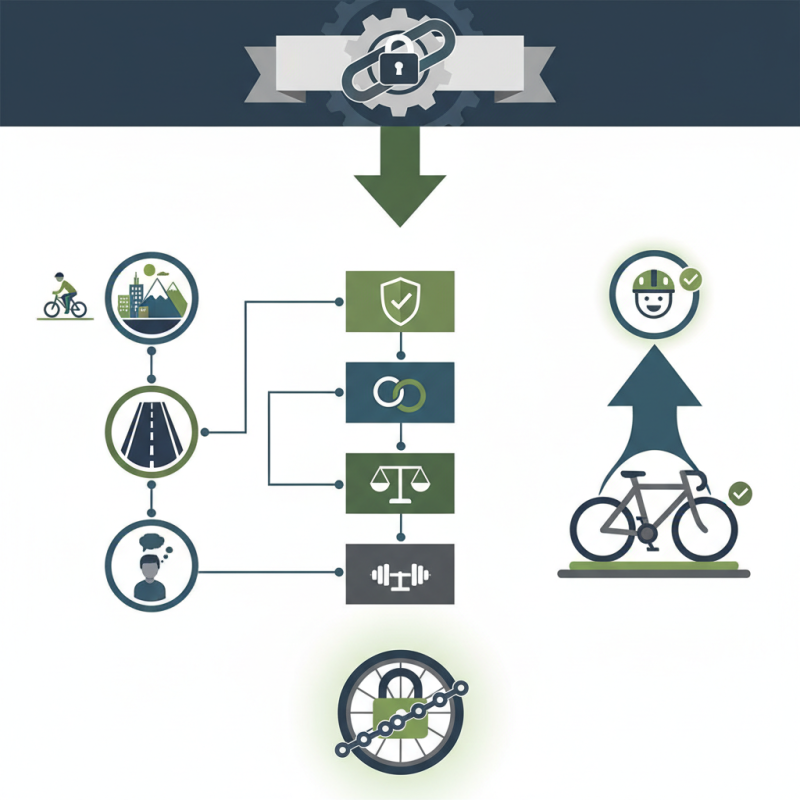
Understanding Different Types of Cycle Lock Chains Available in the Market
When it comes to securing your bike, choosing the right Cycle Lock Chain is crucial. Various types are available in the market, each with distinct features. The most common categories include heavy-duty chains, lightweight chains, and integrated lock chains. Heavy-duty chains, made from hardened steel, provide superior strength. A study found that 60% of bike thefts occur with insufficient locking solutions. Selecting a robust option can significantly reduce theft risks.
Lightweight chains offer portability. They are ideal for short errands or quick stops. However, these often compromise on security. An alarming 30% of cyclists reported using lightweight locks and experiencing theft. It’s vital to assess your usage patterns to determine the level of security you need. Integrated lock chains combine both locking and securing features in one product. While convenient, they may not always match the strength of standalone heavy-duty chains.
Tips: Always look for chains that meet high-security standards. Consider chains with a length of at least 1.2 meters. This provides flexibility for securing your bike. Be wary of using the same lock repeatedly for convenience; this can lead to predictability, making theft easier. Regularly inspecting your lock's condition is important. An ounce of prevention is worth a pound of cure against bike theft.
Evaluating the Material Strength and Durability of Cycle Lock Chains
When selecting a cycle lock chain for your bike, material strength is crucial. A chain made from tempered steel offers a good balance of strength and weight. Steel chains resist cutting and sawing, but they can be heavy. Consider the trade-offs between portability and security. A lighter chain might be easier to carry but may not provide the same level of protection.
Durability is equally important. Look for rust-resistant coatings that help the chain withstand weather conditions. A chain left exposed may deteriorate quickly. Frequent exposure to rain or snow can lead to rust. Regular maintenance can prolong its life, but not everyone remembers that. Environments with a high chance of theft require more thought.
Check for thickness as well. A thicker chain generally indicates more security. However, the weight can become a hassle during long rides. There is also the risk of overconfidence in a strong lock. Understanding your local area’s theft risks is necessary. A Chain Cycle Lock that feels adequate might not provide true safety. Always evaluate your needs carefully.
Assessing the Standard Security Ratings for Bike Locks: What You Need to Know
When choosing a cycle lock chain, security ratings are crucial. These ratings provide insight into how effective a lock will be. Various organizations test locks and assign ratings based on their strength and durability. A higher rating means better protection against theft. Look for ratings that are well-respected in the cycling community.
Understanding how these ratings work can be tricky. Sometimes, locks that look robust may not perform well in tests. It's essential to check the material and design of the lock. For example, hardened steel chains are often more secure than those made from softer materials. But, even sturdy locks can fail if used improperly. You might think a long chain is better, but that can also allow thieves more leverage.
Lastly, consider the environment where you park your bike. Urban areas often have higher theft rates. A heavy-duty Cycle Chain Lock can deter thieves, but it must be used correctly. Always secure both the frame and wheels to a fixed object. Locking methods play a significant role in overall security. Don't underestimate this step; it can make a difference in keeping your bike safe. Reflect on your locking habits and see if improvements are needed to safeguard your ride.
How to Choose the Best Cycle Lock Chain for Your Bike?
| Lock Type | Length (cm) | Weight (kg) | Security Rating | Price Range ($) |
| Chain Lock | 90 | 2.5 | Sold Secure Silver | 50 - 70 |
| U-Lock | 35 | 1.2 | Sold Secure Gold | 70 - 100 |
| Foldable Lock | 100 | 1.5 | Sold Secure Bronze | 60 - 90 |
| Cable Lock | 150 | 0.6 | Low Security | 20 - 40 |
| Chain Lock | 120 | 3.0 | Sold Secure Gold | 80 - 120 |
Identifying Key Features of an Effective Cycle Lock Chain
Choosing the right cycle lock chain is crucial for bike security. You want a lock that is both sturdy and easy to use. A high-quality chain should be made of tough, durable materials. Look for thick links that resist cutting and sawing. The more robust the link, the safer your bike will be.
Tips: Always check the weight of the chain. Heavy locks provide better security but can be hard to carry. Aim for a balance between strength and convenience.
Consider the length of the chain. It should be long enough to secure both the frame and the wheels of your bike. However, longer chains can be heavier and harder to manage. Think about where you store your bike.
Tips: If you're commuting daily, a shorter, lighter chain may work. For longer stays, invest in a heavier lock. Reflect on your habits and how often you leave your bike unattended. Each choice impacts your bike's protection.
Comparative Analysis of Cycle Lock Chain Features
This chart compares the effectiveness of key features to consider when choosing a cycle lock chain for your bike, including durability, weight, length, portability, and price.
Comparing Prices: Budget vs. Premium Cycle Lock Chains
When it comes to choosing a cycle lock chain, the price can tell you a lot. Budget cycle lock chains may seem appealing at first. They often come with lower security ratings. The materials used might not withstand serious attempts at cutting or tampering. This makes them a risky choice, especially in high-theft areas. In contrast, premium cycle lock chains generally offer better durability. They are made from hardened steel and have more complex locking mechanisms. This higher level of security often justifies the increased price.
However, the decision isn't always clear-cut. Some budget lock chains perform better than expected. They might be sufficient for short stops in low-risk areas. On the other hand, premium locks can be bulky and heavy. They could discourage you from carrying them regularly. An option like the China Cycle Lock Chain could provide a middle ground. It may balance cost and security, making it easier to secure your bike without breaking the bank.
Ultimately, ensure the lock you choose fits your lifestyle. Consider where and how often you ride. Weighing security against convenience is essential. Sometimes you might overlook the practicality in pursuit of maximum security. Always reflect on what works best for your specific needs.
Understanding Length and Flexibility: Choosing the Right Chain Size
Choosing the right cycle lock chain is crucial for bike security. Length and flexibility play significant roles in your decision. A longer chain allows you to secure your bike to various fixtures. It can wrap around poles, bike racks, or even trees. However, while a longer chain provides versatility, it may be bulkier. This could lead to difficulties in carrying it.
Flexibility is equally important. A more flexible chain can be easier to maneuver around objects. It can fit into tighter spaces, ensuring you can secure your bike effectively. However, if it’s too flexible, it may compromise security. Balance is key here. An ideal chain should be long enough for your needs while not overly cumbersome.
Measuring your bike and the typical locking spots is wise. Note how much slack you need when securing your bike. Think about your daily activities and routines. If you often secure your bike in busy areas, you might want a shorter, more secure option. If you're using it in quieter spots, length may take precedence. Take the time to analyze your needs and surroundings. Your bike deserves a reliable lock.
Reviewing User Feedback and Expert Recommendations for Top Cycle Lock Chains
When choosing a cycle lock chain, user feedback provides valuable insights. Many cyclists emphasize durability and security. A strong chain can deter theft, but some report challenges with weight and bulk. Finding the right balance between protection and portability is crucial. One user mentioned losing a key for their heavy lock, highlighting the importance of a convenient locking mechanism.
Experts suggest considering material and thickness. High-grade steel enhances security, while lighter options may appeal to commuters. However, some recommend that a thicker chain adds peace of mind even if it means carrying extra weight. The diversity of choices can be overwhelming. Users often express confusion over which features truly matter.
Another common topic in feedback is the need for flexibility. A chain that wraps around various objects is essential for versatility. Yet, many notice that the ease of use diminishes with certain designs. Some users find that once they secure their bike, detaching the chain becomes cumbersome. In this mix of opinions, the choice of an OEM Cycle Lock Chain stands out for many as a reliable option, but personal preference ultimately guides the decision.
A Comprehensive Guide to the Wenzhou Naibao Lock Factory's Premium Anti-theft PVC Coated Steel Cable Bicycle Lock
The rising incidence of bicycle theft has fueled the demand for reliable and effective locking solutions in recent years. According to recent industry reports, over 1.5 million bicycles are stolen each year in the United States alone, underscoring the importance of having a robust anti-theft device. As a response to this growing concern, premium locks like the high-quality anti-theft PVC coated steel cable bicycle lock have emerged as essential tools for cyclists seeking peace of mind.
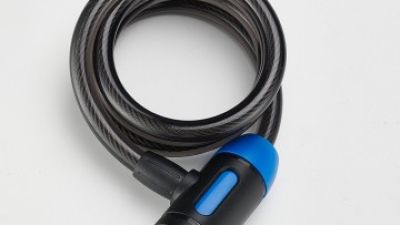
Crafted from a durable brass cylinder and a weather-resistant ABS case, this lock features a PVC wire rope available in various sizes, ensuring flexibility and ease of use. With a diameter of 10/12 mm and a length of 1,000 mm, it offers sufficient length for securing different bicycles, whether they are parked in urban environments or at outdoor events. Furthermore, the inclusion of two brass keys and a dust cover enhances the security features, while the braided construction provides resistance against strong cutting tools, adding an extra layer of protection for valuable bicycles.
The statistics reveal that bicycle thefts are not limited to specific areas but occur across urban and suburban settings, making high-quality locking mechanisms indispensable. As the replacement costs for stolen bicycles can be significant, investing in a reliable locking solution is crucial. The weather and rust-resistant attributes of these locks not only extend their lifespan but also make them suitable for various environments, thereby catering to diverse user needs. With such comprehensive security features, this PVC coated steel cable bicycle lock stands out as a practical and essential accessory for every cyclist.
FAQS
: The depth of research matters. Consistency in voice is crucial too. Clarity enhances reader engagement.
Regular updates keep content relevant. Aim for quarterly reviews. Some articles need more frequent updates.
It should be catchy and informative. Using numbers often attracts attention. Avoid vague phrases; be specific instead.
Knowing your audience shapes tone and style. It helps in crafting relevant examples. Misunderstanding can lead to disengagement.
Practice consistently is key. Reading diverse material helps too. Seek feedback and be open to criticism.
Overusing jargon alienates readers. Lengthy paragraphs can lose attention. Not proofreading leads to avoidable errors.
Conclusion
When choosing the Best Cycle Lock Chain for your bike, it's essential to understand the various types available on the market. Evaluating the material strength and durability is crucial, as these factors directly impact the lock's effectiveness in preventing theft. Additionally, familiarize yourself with standard security ratings, which help determine how secure a lock truly is. Look for key features that enhance functionality, such as ease of use and portability.
Budget considerations are also important; it’s wise to compare prices between budget and premium options while keeping in mind the balance between cost and security offered. Furthermore, selecting the right length and flexibility can significantly affect convenience and usability. Lastly, reviewing user feedback and expert recommendations will provide insight into the most reliable Cycle Lock Chains, ensuring you make an informed decision for your bicycle's protection.