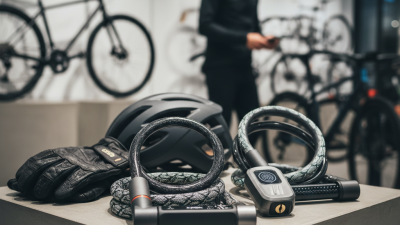
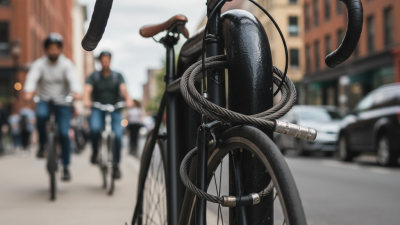
Picking out the right bike lock is a pretty big deal for any cyclist. With bike thefts on the rise lately, making sure your ride is secure is more important than ever. Mark Andrews, who’s really well-versed in bike security and runs SecureRider, points out, "A solid lock can be the difference between heading home happily or walking your bike back."
When you’re shopping for a Bike Cycle Lock, think about things like how secure it is, what material it’s made of, and how easy it is to use. Different locks fit different needs – U-locks are super sturdy but can be a little bulky, while CHAIN LOCKs give you more flexibility. The key is to pick one that matches your riding style and the areas you usually park in.
And hey, the most expensive lock isn’t always the best. There are plenty of affordable options that are still reliable. It’s also worth checking out the theft trends in your neighborhood – that can help you decide what level of security you actually need. At the end of the day, a good bike lock should give you peace of mind so you can just enjoy your ride without stressing about theft lurking around.
Understanding the Importance of a Quality Bike Lock
When it comes to securing your bicycle, the importance of a quality bike lock cannot be overstated. Research shows that one in four bicycles is stolen, prompting a need for effective security measures. A good lock not only deters thieves but also provides peace of mind. According to the National Bike Registry, using a top-rated lock can reduce theft risk by up to 70%. Understanding the type of lock that suits your needs is crucial. Different locks offer varying levels of security and convenience.
When choosing a bike lock, consider these tips. Look for a high-security U-lock or a heavy-duty chain lock. These options offer better resistance against cutting and leverage attacks. It's vital to evaluate the lock's material and thickness. A robust lock may weigh more, but it adds valuable security. Additionally, choose a lock with a good warranty to ensure its reliability over time. Keep in mind, even the best locks are not foolproof. Assess your environment regularly and consider an additional security measure.
Another key aspect is the lock's usability. If it’s cumbersome, you might not use it consistently. The most effective lock is one you can easily carry. Some bicycle owners overlook the need for proper locking techniques. Always secure both the frame and wheels to an immovable object. Inadequate locking methods can lead to theft, regardless of your lock's quality. Awareness and diligence in securing your bike are equally important.
2026 How to Choose the Best Cycle Bike Lock for Your Needs? - Understanding the Importance of a Quality Bike Lock
| Lock Type | Security Rating | Weight | Price Range | Best Use Case |
| U-Lock | High | 2.5 lb | $40 - $120 | Urban commuting |
| Chain Lock | Moderate to High | 3.0 lb | $30 - $100 | Long-term locking |
| Folding Lock | High | 2.0 lb | $70 - $150 | Flexible locking |
| Cable Lock | Low to Moderate | 1.0 lb | $15 - $50 | Quick stops |
| Smart Lock | High | 2.5 lb | $100 - $300 | Tech-savvy users |
Types of Bike Locks: Cable, U-Lock, Chain, and More
When selecting a bike lock, understanding the various types is crucial. There are several categories: cable locks, U-locks, chain locks, and more. Each has its advantages and weaknesses. According to the National Bicycle Dealers Association, U-locks are typically regarded as the most secure option. They use hardened steel, making them resistant to cutting and prying. However, their weight can be a drawback for some cyclists, especially those who prioritize portability.
Cable locks are lighter and more flexible. They are ideal for quick stops but may not offer the same level of security as U-locks. A survey by the Bureau of Justice Statistics highlights that cable locks tend to be cut easily with common tools, making them less reliable in high-crime areas. Chain locks offer a balance between the two, providing decent security and flexibility but can be cumbersome to carry.
Ultimately, the choice of bike lock depends on individual needs. A rider's environment and frequency of use play significant roles. While a heavier lock may deter thieves, it can also discourage regular use. Always assess the specific risks in your area and remember that no lock offers complete security. Understanding these nuances can help you select a lock that best fits your biking lifestyle.
Assessing Security Levels: Evaluating Lock Ratings and Standards
When selecting a cycle bike lock, understanding the security standards and ratings is crucial. Locks undergo testing to determine how resistant they are to various types of attacks. Common assessments include tests for bolt cutter resistance and lock-picking difficulty. Typically, a lock rated “Sold Secure” or equivalent offers better security.
Evaluating lock ratings helps you make informed choices. A high rating can mean a heavier lock, which may not be ideal for every cyclist. Reflect on your storage locations and riding habits. For urban commutes, a robust lock is vital, while occasional use might allow a lighter option.
Tips:
- Always check recent reviews on lock performance. User experiences can highlight real-world challenges.
- Consider how easily you can transport your lock. A bulky design can become a hassle.
- Investing a little more upfront can save you from losses later, so weigh your options carefully.
Size and Weight Considerations for Practical Use
Choosing the right Cycle Bike Lock involves several important factors, especially size and weight. A lock that is too heavy can be cumbersome. You want something that is easy to carry while riding. A compact and lightweight lock will provide convenience without sacrificing security.
Consider the lock's dimensions carefully. If it doesn’t fit in your bag or attach to your bike, it might not be practical. Some locks are portable, yet still provide good security. However, be cautious; a very lightweight lock might not offer much protection. It's all about striking that balance.
In urban environments, the lock needs to be adaptable. You may need to lock your bike in various locations. It’s frustrating when a lock is too short to secure around bike racks. Think about the different scenarios you may encounter. Each situation may require different sizes. Reflect on your daily needs.
2026 How to Choose the Best Cycle Bike Lock for Your Needs?
Ease of Use: Key vs. Combination vs. Smart Locks
Choosing the right bike lock can be daunting. One major consideration is the type of locking mechanism. Key locks are often straightforward. They require a physical key, making them simple to use. However, losing the key can lead to frustration and challenges.
Combination locks provide a different ease of use. You set a personal code, and there’s no key to lose. This can be appealing for some cyclists, especially if they forget where they keep their keys. Yet, remember that forgetting a combination is just as troublesome as losing a key.
Smart locks are the latest trend. They utilize Bluetooth or apps, offering convenience. You can unlock them with your smartphone. However, their reliance on technology might pose issues. Battery life is crucial, and without power, you can be locked out. Weigh these options carefully to avoid potential pitfalls. In the broader category of bike locks in China, a reliable lock is essential for security.
Price vs. Quality: How to Find the Best Value for Your Budget
When choosing a cycle bike lock, assessing price versus quality is essential. Many riders face a dilemma: spend less on a basic lock, or invest in a higher-quality option that offers more security. According to a recent study by the National Bicycle Dealers Association, the average theft cost for urban cyclists has risen to $300 annually. This statistic highlights the need for effective locking solutions.
A low-priced lock might seem appealing, but it often compromises quality. Many budget locks can be easily cut or picked. The insurance industry suggests that cyclists should invest up to 10% of their bike's value in a lock. For example, a bike valued at $600 should warrant a lock priced around $60. This investment reflects a balance of quality and financial prudence.
Exploring options like the OEM Bike Cycle Lock can provide insight into this value equation. These locks often combine robust materials with competitive pricing. However, it’s vital to thoroughly assess user reviews and expert ratings. When considering a purchase, take into account potential weaknesses in the lock’s design or material. Some locks, while affordable, may fail under stress. Therefore, it’s important to weigh the promise of durability against your budget constraints.
Tips for Locking Your Bike Safely in Different Environments
When locking your bike, the environment plays a crucial role. Urban areas often pose higher risks for theft. According to a report by the National Bike Registry, around 1.5 million bicycles are stolen each year in the U.S. Understanding how to secure your bike in different settings is essential.
In crowded places, consider using a heavy-duty lock. A Custom Bike Cycle Lock can deter thieves. Look for U-locks that are rated high for security. In quieter areas, a simpler lock may suffice, but always chain your bike to a fix object. Be mindful of your surroundings. Locks that are too easy to cut can leave your bike vulnerable.
Weather also impacts lock effectiveness. Rain or snow can lead to rust and deterioration. Regular maintenance of your lock ensures its reliability. Avoid routines. Park in the same spot consistently, as thieves can take note. Each city has unique patterns of bike theft. Learn from local reports to choose the best locking practices. Your vigilance can make a difference in keeping your bike safe.
FAQS
: A quality bike lock helps prevent theft. One in four bicycles is stolen. Having effective security is crucial.
High-security U-locks and heavy-duty chain locks are best. They resist cutting and leverage attacks effectively.
Look for locks that are “Sold Secure” rated. Ratings indicate resistance to attacks like lock-picking.
Choose a lock that you can easily carry. If it's cumbersome, you may not use it consistently.
Always secure the frame and wheels to an immovable object. Poor locking leads to theft, even with a good lock.
Combination locks avoid losing keys, but forgetting the code can be equally frustrating.
Smart locks offer convenience via apps. However, battery issues can lock you out. Weigh the technology carefully.
Recent reviews provide insights into lock performance. They highlight challenges that real users face.
Heavier locks often have higher security ratings, but may not suit all cyclists. Consider your usage and transport needs.
Assess your environment and combine security measures. A good lock is vital, but awareness is equally important.
Conclusion
When choosing the best cycle bike lock, it is crucial to understand the significance of investing in a quality lock to protect your bicycle. Various types of bike locks—such as cable locks, U-locks, and chains—offer different levels of security, each catering to specific needs and environments. Evaluating lock ratings and standards will help you assess the security levels effectively.
Considerations such as size and weight are essential for practical usage, especially for urban cyclists who need portability. Ease of use is another factor, as the choice between key, combination, or smart locks can significantly affect your daily routine. Lastly, it’s important to balance price and quality to find the best value for your budget while ensuring effective protection. Always keep in mind the best practices for locking your bike safely in various environments to minimize theft risk.