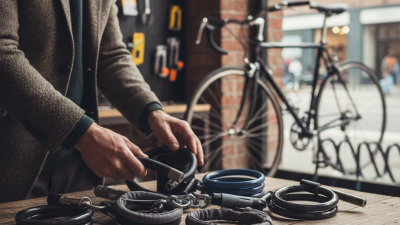
Picking out the perfect bike lock can feel pretty overwhelming, right? With so many options out there, it’s hard to know where to start. I chatted with Mike McCarty from SafeRide Solutions, and he’s quick to remind us, “A good bike lock is your main defense against bike thieves.” That really hits home — it’s all about finding a lock that fits your riding style and needs.
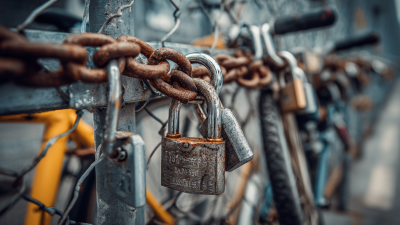
Every rider’s situation is different. Some of us hitting busy city streets might need something extra tough because theft chances are higher, while others might prefer something lightweight and portable. A U-lock? Super secure, but honestly, a little bulky. Meanwhile, a CHAIN LOCK gives some flexibility but might not be as pick-proof. When you start to look at all the options, yeah, it can be pretty overwhelming.
The trick is finding that sweet spot between convenience and security. What works for one rider might not cut it for someone else. Remember, your bike isn’t just a thing — it’s an investment, and giving it the right lock really matters. A solid lock might just save you from losing your bike entirely. So, take your time and choose wisely — it’s worth it.
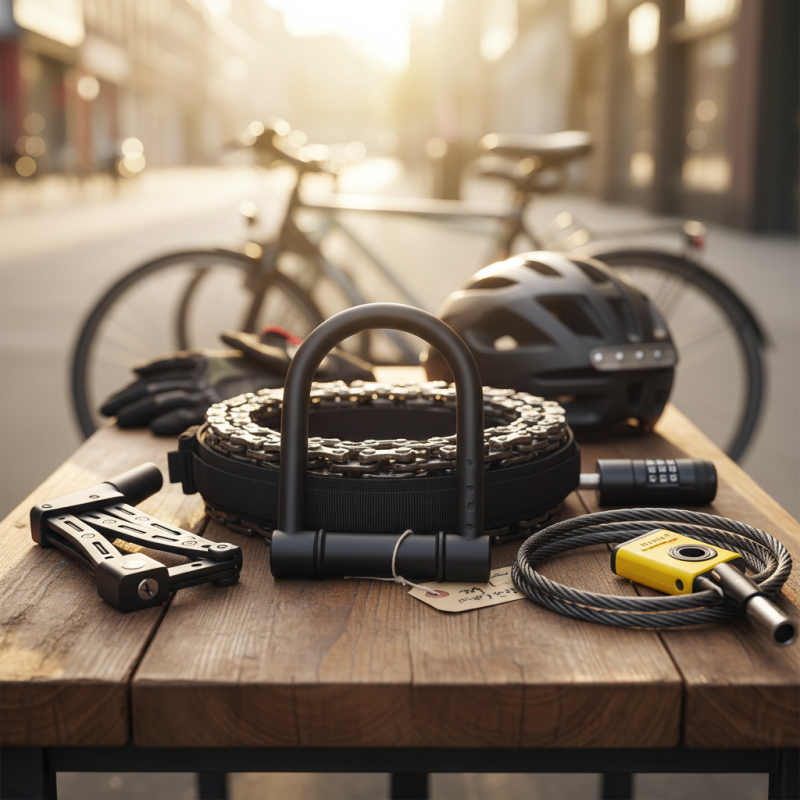
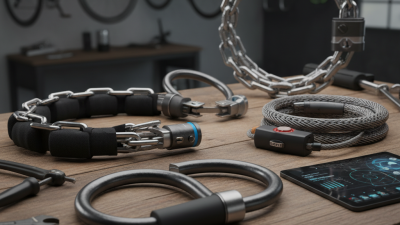
When selecting a bike lock, understanding the various types available is crucial. U-locks, cable locks, and chain locks are the primary categories, each with unique features. According to the Association of Bicycle Commuters, U-locks offer high security due to their sturdy construction. They often resist cutting and leverage attacks, making them a popular choice for urban cyclists. However, they can be bulky, which may discourage some users.
Cable locks, on the other hand, are lightweight and flexible. They are convenient for quick stops. Yet, they typically rate lower in security. A study from the Bicycle Security Council indicated that over 50% of stolen bikes were locked with cable locks.
Chain locks provide a middle ground. They are heavy but versatile, allowing for various locking configurations. Their strength protects against common theft methods.
Ultimately, no lock is foolproof. Regular users should assess their environment and the level of risk. Combining locks can increase security but may also complicate usage. It's essential to find a balance between convenience and protection. Consider assessing your locking strategy regularly as bike theft techniques evolve.
When assessing your security needs for your bicycle, start by understanding where you live. Some areas have higher theft rates. Researching local crime statistics can provide insights. A bicycle lock is only as strong as your environment. If you park in a high-risk area, consider a heavier-duty option. For those in safer neighborhoods, a lighter lock may be sufficient.
Next, think about the type of biking you do. Commuters might need a practical and secure lock for daily use. Recreational riders could prioritize portability and ease of use. It's crucial to visualize your locking routine. Where do you leave your bike most frequently? How long will it be parked? Your answers here dictate the level of security you need.
Don’t forget to consider convenience alongside security. A lock that’s too cumbersome won't be used consistently. Reflect on this balance as you choose a China Bike Lock. While it's essential to have robust features, the lock should also fit seamlessly into your lifestyle. Finding this equilibrium can lead to better overall bike security.
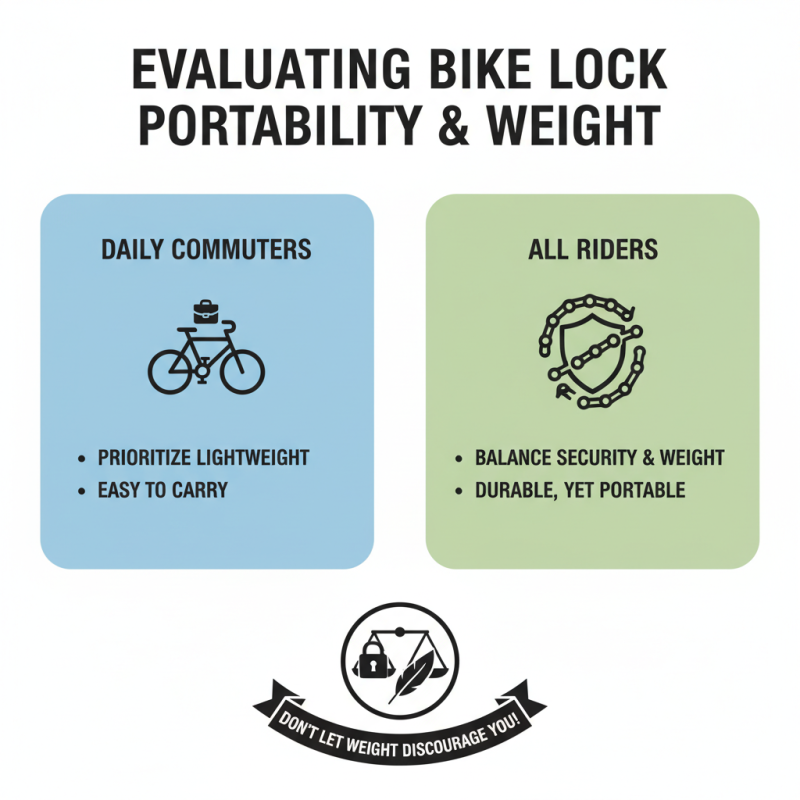
When selecting a bike lock, portability and weight are critical factors. You might prioritize a lightweight lock if you commute daily. A lock that adds too much weight could discourage you from biking altogether. For secure yet portable options, look for locks made with durable materials that don't compromise on safety.
Consider the carrying method too. Some locks come with mounts that attach directly to your bike frame. Others can be stored in a backpack. If you prefer carrying it in your pocket, ensure it doesn't weigh you down. A good balance between security and convenience is essential.
Many people overlook practical aspects like ease of use. A complicated locking mechanism could lead to frustration, especially when you're in a hurry. Choose a design that fits your lifestyle. Like the OEM Bike Lock Bike Lock, some locks offer a blend of security and weight consideration. Reflect on your daily routine and choose a lock accordingly.
When choosing a bike lock, pay close attention to its durability and weather resistance. A sturdy lock can withstand various forms of attack. Look for materials like hardened steel. These locks resist cutting and prying. Weather resistance is also essential. Locks that rust easily won't last long. Seek out models with weatherproof coatings or seals that keep moisture out.
Consider the climate you live in. If you face harsh winters, a lock that freezes in cold weather might be a concern. In rainy areas, choose a lock designed to resist rust. The lock’s mechanism should operate smoothly in different conditions.
Remember to check user reviews. These provide valuable insight into real-world performance. Sometimes, the most expensive locks are not the most durable. Assess the balance between price and longevity. A lock that looks good might fail when exposed to weather extremes. Prioritize practicality over aesthetics to ensure your investment lasts.
When selecting a bike lock, consider your budget first. Research shows that spending between $30 and $100 typically offers adequate security for most cyclists. A report from the National Bicycle Dealers Association indicates that higher-priced locks often feature advanced locking mechanisms. However, not all expensive options guarantee protection against theft.
Finding the right balance is crucial. A custom bike lock may fit your needs perfectly if you often park in high-risk areas. Many urban cyclists prefer U-locks within a $50-$70 range for their combination of portability and strength. Yet data from the Bicycle Theft Index reveals that most bike thefts occur in locations with low security measures, regardless of lock price. It emphasizes the necessity for practical investment, but also highlights a learning moment: even the best lock can be useless if not used correctly.
While some affordable options lack durability, many feature effective security measures. Checking reviews and comparisons can help identify which budget locks provide reliable protection. Keeping your bike secure involves understanding both your environment and your financial limits.
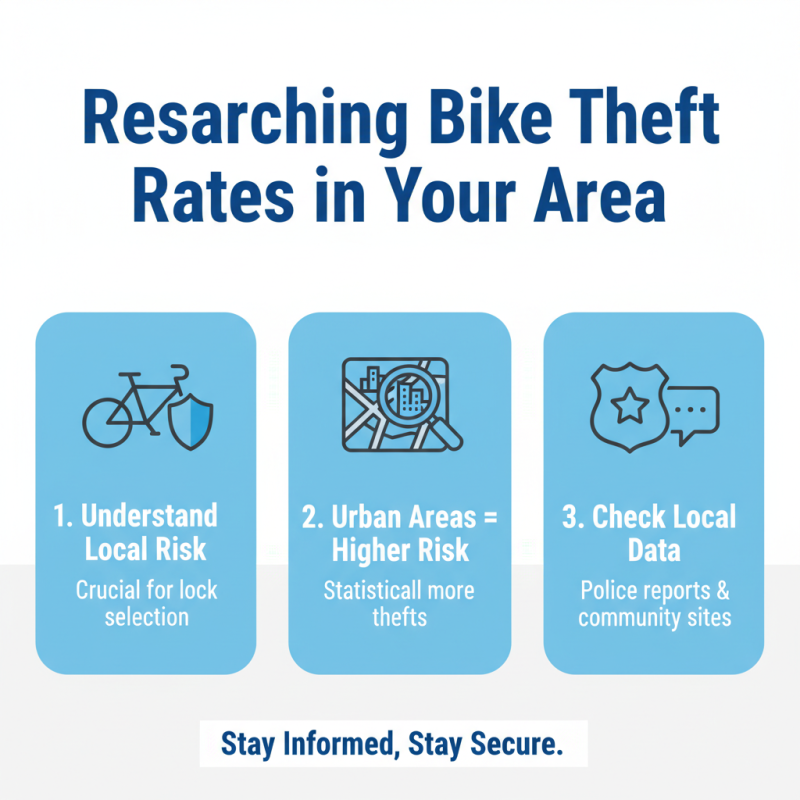
When selecting a bike lock, understanding the theft rates in your area is crucial. High theft rates indicate a greater need for a reliable lock. Statistically, urban areas often report more bike thefts. Consider checking local police reports or community websites to gather this information.
Once you know the theft rates, you can assess your risk. For instance, if you live in an area with a high theft rate, investing in a high-quality lock becomes vital. Look for advanced locking mechanisms or hardened materials. These features enhance the lock's resilience against common theft methods. Also, it’s wise to think about where you park. Busy, well-lit areas tend to be safer.
Lastly, keep in mind that even the best locks have vulnerabilities. Some thieves are highly skilled. They can defeat even robust locks with the right tools. It’s a reflection of the evolving nature of bike theft. Remember that a Wholesale Bike Lock can offer better price options, but always prioritize quality over cost. Reflect on your security measures regularly. It helps in preventing bike theft effectively.
When choosing a bike lock, reading reviews and recommendations can greatly influence your decision. Many riders share their experiences online. These first-hand accounts can help you understand what works and what does not. Look for feedback on durability, ease of use, and effectiveness against theft. Is the lock heavy but secure? Or lightweight yet flimsy? These details can reveal the lock's true value.
Be mindful of common concerns mentioned in reviews. Some riders note that their locks failed under pressure or were difficult to carry. It's essential to weigh these reflections against your own needs. Consider your environment. If you park in high-crime areas, prioritize security. Sometimes, a higher price reflects better protection.
Take time to read multiple sources. Not all reviews are genuine. Some may come from biased perspectives. Look for independent sites that provide thorough assessments. User-generated reviews can illustrate real-world performance. Focus on locks that receive praise for their reliability. Always reflect on past experiences. Have you faced theft? Let that guide your choice.
When it comes to enhancing anti-theft security for motorcycles, the Nurbo Black Zinc Alloy Motorcycle Disc Brake Lock stands out with its robust features and benefits. The lock is meticulously crafted from a zinc alloy material, which not only provides a sturdy lock cylinder and body but also ensures long-lasting durability. Its coated zinc alloy construction is designed to withstand scratching and rusting, making it an ideal choice for any weather condition. Furthermore, the lock's ease of use and carry ensures that motorcycle owners can secure their bikes effortlessly, no matter where they are.
One of the key advantages of this disc brake lock is its versatility. With a size of 5.5 mm, it fits most motorcycles and bikes, making it suitable for a wide range of applications. This lock is equipped with two brass keys, providing an extra layer of security while ensuring that you won't be left without a backup. Additionally, it comes in multiple color options, allowing users to choose a design that suits their personal style. The combination of durability, convenience, and versatility makes this motorcycle disc brake lock a must-have accessory for anyone looking to protect their vehicle from theft.
: There are U-locks, cable locks, and chain locks. Each has unique features and security levels.
U-locks offer high security. They resist cutting and leverage attacks, making them popular for urban cycling.
Cable locks are lightweight and flexible but generally less secure. Over 50% of stolen bikes were locked with them.
Chain locks provide a balance between weight and security. They allow versatile locking configurations against theft.
Combining different locks can enhance security. However, this may complicate usage and create inconvenience.
A durable lock can withstand attacks. Look for hardened steel and weatherproof coatings to ensure longevity.
Locks can rust or fail in extreme weather. Choose locks designed to handle moisture and temperature changes.
User reviews are crucial. They give insight into real-world performance, which helps with informed decisions.
Regular assessment is essential. As bike theft techniques evolve, adapting your strategy can enhance security.
Not always. Sometimes the most expensive locks are not the best. Focus on practical durability over aesthetics.
Choosing the best bike lock involves understanding the different types available and assessing your specific security needs. Consider the level of portability and weight, as a lock that is too heavy or cumbersome may deter you from using it regularly. Additionally, the durability and weather resistance of the lock are critical, ensuring it can withstand various environmental conditions and attempts at theft.
Price is another essential factor; researching budget options will help you find a lock that meets your needs without breaking the bank. It's also wise to investigate theft rates in your area, as this knowledge can guide your choice in lock strength. Lastly, reading reviews and recommendations can provide valuable insights into the effectiveness of different bike locks, helping you make an informed decision that prioritizes the security of your bicycle.