Picking out the best bike lock for 2026 isn’t just about comparing prices, colors, or flashy ads. Honestly, a good lock has to pretty much match your bike, how you usually park, where you’re riding, and your daily habits. For example, a heavy-duty lock might be super tough against thieves, but it can be a pain to carry around on a crowded train. On the flip side, a small, lightweight lock is easy to tote, but maybe not as tough against a serious attack.
Sheldon Brown, who’s a well-known bike mechanic and writer, once said something that still rings true: “The best lock is the one you will actually use.” And I totally agree with that. If you leave your lock at home, it’s basically useless. The key here is finding something that’s easy to carry, quick to lock up, and fits your bike or rack perfectly. When shopping, don’t just get dazzled by shiny photos—look at the details: how sturdy is the shackle? Is the cylinder easy to turn? Will it fit your favorite rack without leaving gaps? These little things matter way more than how cool the product looks in pictures.
Sometimes, it’s the small stuff that counts—a key that jams when it’s wet, rattling brackets, or the lock that struggles to reach tight spots—those tell you more about real-world quality than polished packaging ever will. And yeah, that phrase ‘Bike Lock Bike Lock’ might seem kinda repetitive, but honestly, it’s pretty much how people search when they’re quickly comparing options online.
No lock’s perfect — that’s kinda frustrating to accept, but it’s true. Even high-end locks come with their compromises—think weight, price, how flexible they are, or how resistant they are to tampering. This guide’s all about those trade-offs for 2026, based on real experience, facts, and comparing manufacturers carefully. But keep in mind, you should still think about where you park and how you ride—sometimes the best lock on paper just doesn’t cut it in your daily life.
Define Your Theft Risk Using Local 2026 Bike Crime Data
How to Choose the Best Bike Lock in 2026?
Your local 2026 bike crime data should guide your lock choice. Check police dashboards, transport authority reports, and neighborhood theft maps. Look for patterns, not only total incidents. A station with repeated thefts needs stronger protection than a quiet residential street. The time of day matters too. A bike left outside overnight faces different risks from one parked for twenty minutes.
Walk past your usual parking places. Are racks hidden behind walls, or visible from busy windows? Can a thief lift the rack, cut nearby cables, or work without being noticed? These details reveal practical risk better than a general crime headline.
In high-theft areas, choose a hardened lock with a compact design and a reliable locking mechanism. Secure the frame and wheel to an anchored rack. Avoid leaving loose space inside the lock.
Search data can also be misleading. Some thefts go unreported, while some districts record incidents more carefully. I would compare at least three local sources from 2026 before deciding. I might search “China Bike Lock Bike Lock” while researching options, but search results are not proof of security. Test the lock’s weight, handling, and fit before purchase. A lock that stays at home is not protection. Mine once felt too heavy for daily riding, and that mistake changed my choice.
Compare Sold Secure’s Bronze, Silver, Gold, and Diamond Ratings
Choosing the best bike lock in 2026 starts with its independent security rating, not its appearance. A recognised testing scheme uses four levels: Bronze, Silver, Gold, and Diamond. Each level reflects resistance against increasingly demanding attack tools and techniques. Bronze works for brief stops in quieter areas. Silver suits regular commuting with moderate risk.
Gold offers stronger protection for busy streets, transport stations, and overnight parking.
Diamond is the highest rating and targets serious theft risks.
However, higher security often means extra weight, a larger body, or a less flexible design. A Diamond-rated chain may feel tiring inside a small backpack. That matters in daily use.
Check the rating on the lock itself, then compare its length and locking style. Your lock should pass around the frame and a fixed object, not only the front wheel.
For an OEM Bike Lock Bike Lock, verify that the advertised rating applies to the complete lock, including its chain, shackle, and cylinder. I have seen buyers focus on a heavy chain while overlooking a weak mounting point. That choice deserves a second look.
Carrying a lighter Silver lock consistently may be safer than leaving a bulky Gold lock at home. The best rating depends on where, when, and how long you park.
Use ART’s One-to-Five-Star Scale to Verify Independent Testing
How to Choose the Best Bike Lock in 2026?
A strong lock should survive more than a quick shop test. Look for independent testing under ART’s one-to-five-star scale. This rating indicates how seriously a lock was examined against common theft methods. Higher stars usually mean stronger resistance, but the number is not the whole story. Check the certificate, testing date, and exact lock model. A similar-looking replacement may not share the same result.
In my own lock checks, weight becomes noticeable after a long ride. A hardened steel shackle feels reassuring, yet a bulky design can discourage daily use. Measure your bicycle frame, wheel, and a fixed parking stand before choosing a size. Leave little room for leverage. Avoid locks that rattle loudly or have stiff key mechanisms. Small faults matter.
Look closely at independent laboratory details. Reliable reports should identify the tested sample, testing method, and failure conditions. Product photographs are useful, but they cannot prove performance. This is where the ART scale helps create a clearer comparison. Still, I would not treat five stars as absolute protection. Installation, parking location, and time exposed also affect risk. Even a Custom Bike Lock Bike Lock needs regular inspection for rust, damaged coating, or a loose cylinder. I once ignored a sticky key for too long. That was careless. Test the lock before every longer trip.
Match Lock Types to Attack Risks: D-Locks, Chains, and Folding Locks
How to Choose the Best Bike Lock in 2026?
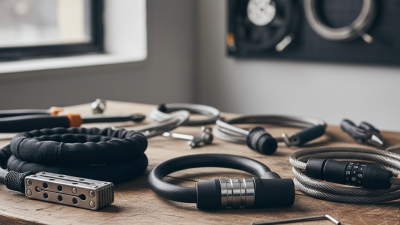
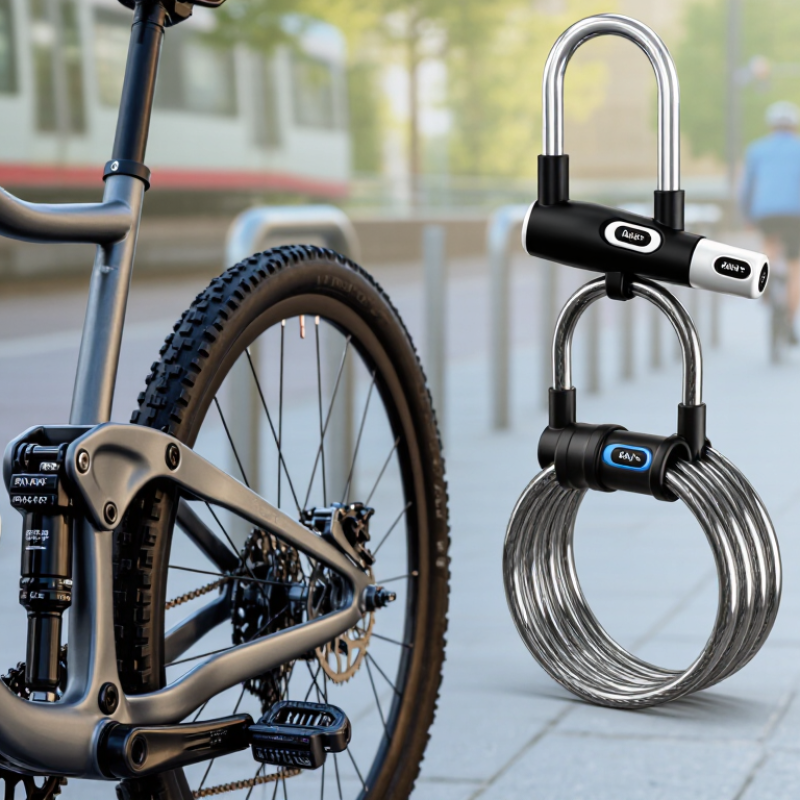
Lock choice should reflect the attack risk, not only the bicycle’s price. The UK Office for National Statistics estimated 77,000 bicycle thefts in England and Wales during the year ending March 2023. Busy stations need strong, visible protection. A hardened D-lock resists leverage and fits tightly around the frame and stand. It is usually practical for short urban stops. However, the shackle may not reach wider posts.
Chains offer more flexibility. A thick, hardened chain can wrap around awkward street furniture, including broad railings. It is heavier, though. That weight becomes annoying during a long ride. Folding locks are lighter and pack neatly beside a pump. Their linked joints create more movement, so I would avoid relying on a thin model overnight. Independent security schemes, including Sold Secure testing categories, can help compare resistance levels. Still, ratings cannot predict every real-world attack.
Tips: Secure the frame and wheel to a fixed object. Keep the lock above ground, limiting tool leverage. For a Wholesale Bike Lock Bike Lock purchase, inspect shackle thickness, joint design, and tested security level. I once chose convenience over reach and regretted it beside a crowded rack. That was a useful failure. Check whether the lock fits your actual frame, wheel, and parking structure before buying.
Balance Security and Portability with Weight, Shackle Size, and Reach
How to Choose the Best Bike Lock in 2026?
A lock’s security rating matters, but so does whether you will carry it every day. Sold Secure’s bicycle-lock scheme uses attack testing and graded ratings, while ART’s independent certification system awards locks one to five stars. These ratings offer a useful comparison, not a guarantee against theft. Check the current test category and rating before buying; labels can change as products are retested.
Weight is the daily trade-off. A heavy chain may feel reassuring, but it can rattle against a frame and stay at home. A compact U-lock is easier to carry, yet its shackle may not reach around a thick post and both wheels. Measure your usual parking stand, then compare that space with the lock’s internal shackle dimensions. A few centimetres matter. Try the route, too: a lock that fits a rack but not a street sign is less useful than it looks.
Reach should let you secure the frame and at least one wheel to a fixed object, without leaving a large gap an attacker could exploit. For a quick check, fit the lock around your actual bike and parking point. A low-weight cable may add reach, but it should not replace a primary lock. I have found this is where neat buying guides feel too tidy: real racks are awkward, and carrying two locks can become tiresome. Choose a setup you can use consistently, then verify its independent rating and dimensions against the manufacturer’s current specifications.
How to Choose the Best Bike Lock in 2026
Typical approximate lock weights by type (in kilograms). Actual weight and usable reach vary by model; compare shackle or chain dimensions and independent security ratings before buying.
CABLE LOCKs are generally light and easy to carry, while chains tend to be heavier. U-locks and folding locks often balance portability with more substantial protection. Choose a lock with enough reach to secure your frame and wheel to a fixed object, and use a security rating appropriate to your theft risk.
Check Key Security, Warranty Terms, and Insurance Requirements
How to Choose the Best Bike Lock in 2026?
A strong lock matters, but its key system deserves equal attention. Check whether keys can be copied freely or require a security card or proof of ownership. Keep any registration details and spare keys somewhere separate from your bike. A key that sticks in a rainy parking lot can become a daily frustration. Test the lock smoothly before relying on it. Small details matter.
Read the warranty before buying. Look for the coverage period, required proof of purchase, and exclusions for wear, corrosion, or lost keys. Some warranties cover only the lock itself, not damage or theft. Those are very different promises. I once overlooked fine print on a household purchase; it was an annoying lesson, and bike-lock terms can be just as easy to skim. Save a copy of the receipt and warranty.
Tips: Ask your insurer whether a specific lock type or security rating is required for theft coverage. Get the answer in writing, and check whether you must lock the frame to a fixed object. Requirements can vary by policy and location. Don’t assume a high price meets them. Compare the policy wording with the lock’s documentation before you buy.
OEM 24MM Straight Cable Locks for Bicycles: A Guide to Chinese Factory-Made Bike Security Solutions
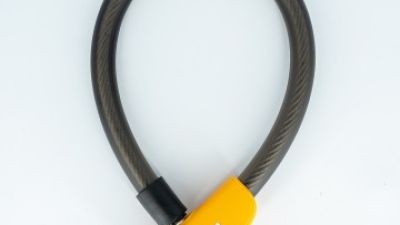
OEM 24MM straight cable locks offer a practical security solution for bicycles, scooters, gates, and other everyday equipment. Produced by a Chinese lock factory, model SL4539 combines a zinc alloy lock body with a glossy ABS housing for a durable yet attractive finish. The straight cable design is flexible enough for convenient handling, while its corrosion-resistant and scratch-resistant surface helps maintain reliable performance during regular outdoor use.
Designed for multi-purpose applications, this cable lock provides a strong and secure way to fasten a bicycle to a rack, post, or other fixed structure. The cable is available in diameters of 12 mm or 15 mm, allowing buyers to select the appropriate specification for different security and portability requirements. Multiple color options are available for customized OEM orders, making it easier to coordinate the product with a retailer’s packaging or product range.
Each lock includes two brass keys for daily convenience and spare access. The standard tie-card packing is suitable for retail display and efficient shipment. With adaptable specifications, durable materials, and factory customization options, this Chinese-made bicycle lock is well suited for distributors, wholesalers, and retailers seeking dependable bike security products.
FAQS
Check police dashboards, transport reports, and neighborhood theft maps. Look for repeated patterns, not only total incidents. High-risk areas need stronger protection.
Check whether racks are visible from busy windows. Look for hidden corners, weak racks, nearby cables, and easy lifting points. Small details matter.
A hardened D-lock is often practical for short stops. Its compact shape limits leverage. Check whether its shackle reaches the frame and rack.
Chains work well around wide railings and unusual street furniture. They are flexible but heavy. That weight can become irritating on long rides.
They pack neatly and feel lighter. Thin folding models may offer less resistance at night. I would not rely on one alone in a high-risk area.
Secure the frame and wheel to a fixed, anchored rack. Keep the lock above ground. Leave little empty space inside it.
No rating predicts every real-world attack. Testing can help compare resistance levels, but the parking location still matters. Ratings are guidance, not magic.
Test its weight, handling, shackle reach, and frame fit. Confirm it works with your actual rack. Mine once stayed home because it felt too heavy.
Not always. Some thefts go unreported, while some districts record incidents more carefully. Compare several local sources before deciding.
Not by itself. Attack risk, parking time, location, and bicycle design also matter. A costly lock is useless if carrying it feels impossible.
Conclusion
Choosing the best Bike Lock in 2026 starts with understanding your local theft risk. Review recent bike crime data, consider where and when you usually park, and select a security level that matches those conditions. Independent testing grades, such as bronze, silver, gold, diamond, or a one-to-five-star scale, can help confirm how well a lock resists common attacks. A higher rating is especially valuable for expensive bikes or high-risk areas.
Next, match the lock type to your daily needs. D-locks offer strong resistance in a compact shape, chains provide flexibility and greater reach, while folding locks balance portability with coverage. Compare weight, shackle size, and usable length to ensure the lock can secure both your frame and wheel to a fixed object. Finally, check key protection features, warranty terms, replacement-key options, and any security requirements needed for insurance coverage. The ideal lock combines dependable protection, convenient transport, and practical everyday use.