These days, bike theft is sadly on the rise, so making sure your bike’s locked up tight is more important than ever. One of the best ways to keep your investment safe is with a Chain Cycle Lock. It’s pretty much a favorite among cyclists because it’s strong, versatile, and reliable. Made from tough materials that resist cutting, these locks give thieves a real challenge, so you can relax a bit whether you’re out riding or just leave your bike parked for a little while.
And it’s not just about physical security—there are some practical perks too. The flexible design means you can easily lock up your bike at different kinds of spots, whether you're in a busy city or just chilling in a quiet neighborhood. Plus, many Chain Cycle Locks are just the right weight—solid enough to keep your bike safe without feeling like you’re lugging around a ton of extra baggage. Since bike theft can happen in a split second, picking the right lock really makes a big difference. It’s all about peace of mind, so you can focus on enjoying your rides without worry.
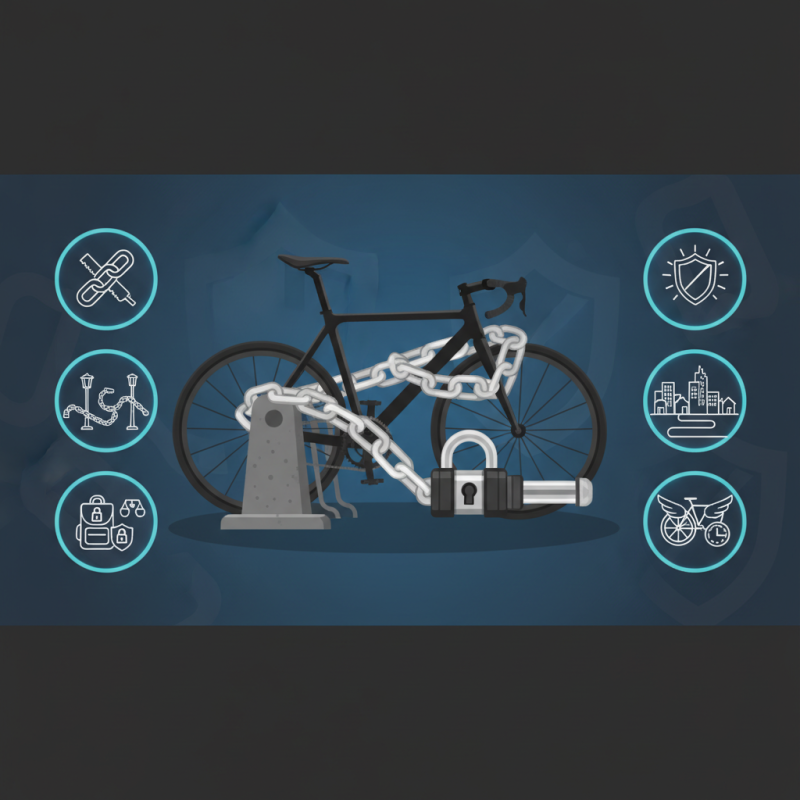
Benefits of Using a Chain Cycle Lock for Bicycle Security
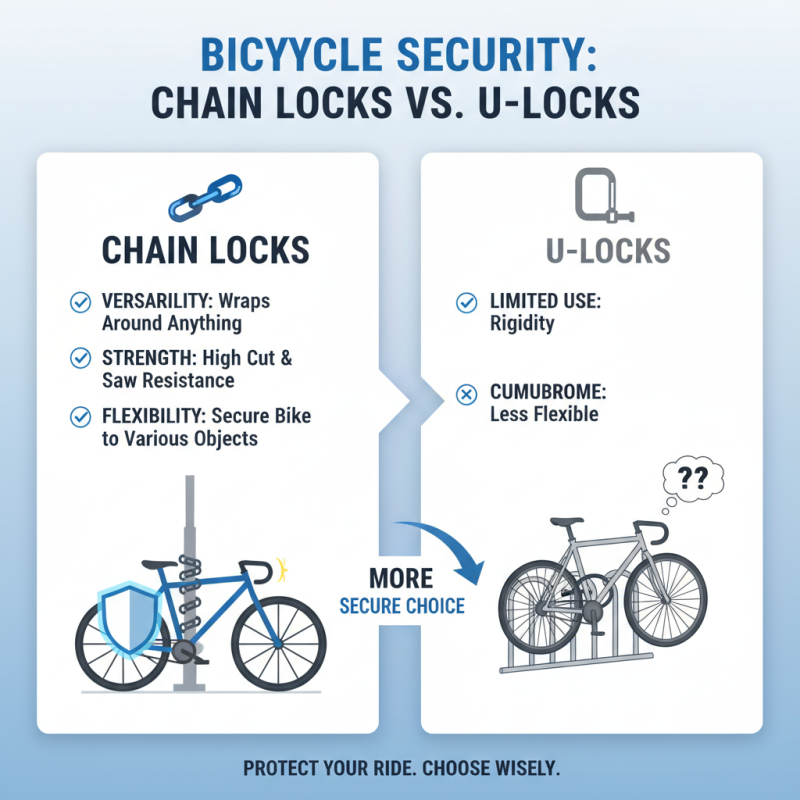
When it comes to protecting your bicycle, choosing a chain cycle lock can significantly enhance your security efforts. According to a report by the National Bike Registry, nearly 1.5 million bicycles are stolen each year in the United States alone, underlining the importance of investing in a robust locking system. Chain locks offer a combination of flexibility and strength, making them an ideal choice for securing bicycles in various environments. Unlike traditional U-locks, chain locks can be wrapped around thicker objects, providing versatility in how and where you lock your bicycle.
One of the key benefits of using a chain cycle lock is its durability. Most chain locks are made from hardened steel, which makes them resistant to cutting and tampering. This level of security is crucial, particularly in high-theft areas. A study conducted by the Bureau of Justice Statistics indicates that locations with more theft reports often see victims using weaker locks. Hence, opting for a sturdy chain lock can serve as a strong deterrent against potential thieves, leading to a lower risk of theft in the long run.
**Tips:** When choosing a chain cycle lock, ensure that it has a thick diameter, ideally above 10mm, to resist cutting attempts. Additionally, always lock your bike in well-lit, populated areas to further decrease the chances of theft. Lastly, consider using multiple locking methods, as combining a chain lock with a U-lock or another type can provide an added layer of security for your bike.
Comparison of Chain Locks with Other Types of Bicycle Locks
When it comes to securing your bicycle, understanding the differences between chain locks and other types of locks is crucial. Chain locks are often favored for their versatility and strength. Unlike U-locks, which can be more cumbersome and limited in use, chain locks can easily wrap around various objects, providing more flexibility in securing your bike. The material used in chain locks typically offers a high resistance to cutting and sawing, making them a formidable choice against theft.
Compared to cable locks, chain locks stand out significantly in terms of security. Cable locks can provide minimal deterrence as they are usually made of thinner materials that thieves can easily cut through. On the other hand, chain locks are made with hardened steel links that are much tougher to break. Furthermore, while folding locks offer portable convenience, they often sacrifice some strength. In contrast, a heavy-duty chain lock combines both strength and portability, making it an ideal choice for cyclists looking for maximum security without the added weight.
Key Features to Look for in a High-Quality Chain Lock
When selecting a chain cycle lock for your bicycle, there are key features that can significantly enhance its security. First and foremost, consider the material of the chain. A high-quality chain lock should be made from hardened steel, which is resistant to cutting and sawing. Look for thick links, ideally around 10mm or more, as this thickness provides additional strength and protection against brute force attacks.
Another essential feature to assess is the locking mechanism itself. A lock with a disc-style cylinder is recommended since it offers greater resistance to picking and drilling. Moreover, ensure the lock has a secure, easy-to-use mechanism, allowing you to quickly lock and unlock your bike without hassle. An added convenience is a protective sleeve around the lock, which not only prevents scratches on your bicycle but also deters rust and corrosion.
Tips: Always wrap the chain around a sturdy, immovable object in addition to your bike. This further minimizes the risk of theft. Moreover, consider using a combination of locks, such as pairing a chain lock with a U-lock for enhanced security. Regularly inspecting your lock for wear and tear can also ensure it remains reliable over time. By focusing on these critical features, you can better protect your bicycle from theft.
How to Properly Use a Chain Lock for Optimal Security
When it comes to securing your bicycle, using a chain lock effectively is crucial in maximizing safety. According to data from the National Bike Registry, nearly 1.5 million bicycles are stolen in the U.S. every year, with a significant percentage of these thefts occurring due to inadequate locking practices. To enhance your bicycle's security, it is essential to understand how to properly utilize a chain lock.
Firstly, it’s vital to lock your bike in a well-lit and high-visibility area—this discourages potential thieves. When using the chain lock, secure both the frame and the wheels to an immovable object, such as a bike rack. The Bicycle Security Guide emphasizes that locking both components significantly decreases the chances of theft. Moreover, ensure that there is minimal slack in the chain, as leaving excess length can allow thieves to use tools to sever it more easily.
Additionally, rotating the lock mechanism towards the ground can prevent unauthorized access to it, as it complicates attempts to tamper with the lock. Reports from the Bicycle Theft Prevention Association indicate that employing these locking techniques can reduce theft risk by up to 60%. Regularly checking your lock for wear and tear is also advisable, as a compromised lock is an invitation for theft. By adopting these precautions, cyclists can greatly improve their bicycle security and enjoy peace of mind while on the road.
Tips for Storing and Maintaining Your Chain Lock
When it comes to securing your bicycle, a chain lock offers a robust solution due to its strength and flexibility. However, to maximize its effectiveness, proper storage and maintenance are essential. According to a report from the National Bicycle Dealers Association, nearly 50% of bike thefts can be prevented with appropriate lock care and secure locking practices. This underscores the importance of not just selecting the right lock, but also taking steps to maintain it effectively.
Storing your chain lock correctly is the first step in prolonging its lifespan. After each use, ensure that you dry the lock if it has been exposed to moisture, as this can lead to rust and deterioration over time. A commonly recommended practice is to hang the lock in a cool, dry place, which prevents any unnecessary bending or kinking that could weaken its structure. Additionally, using a protective cover can provide an extra layer against elements that could compromise the lock's integrity.
Regular maintenance is also crucial. The use of a lubricant designed for locks can prevent the internal mechanisms from seizing and prolong the functionality of your chain lock. A study by the Bicycle Security Institute found that locks maintained with a lubricating agent had a 30% increased lifespan compared to those that were not maintained. By taking these simple steps for storage and maintenance, cyclists can enhance the security of their chain locks and significantly reduce the risk of bicycle theft.
Common Security Mistakes to Avoid When Locking Your Bicycle
When it comes to securing your bicycle, many people make common mistakes that can easily be avoided. One significant error is locking the bike improperly. Simply locking the frame to a stationary object without securing the wheels leaves your bike vulnerable to theft. Thieves often take advantage of this oversight; they can easily detach the wheels or even the entire frame from the lock. Always ensure you’re locking both the frame and at least one wheel to an immovable object, ideally using a robust chain cycle lock that provides maximum security.
Another frequent mistake is choosing a lock that is not appropriate for the location. Using a lightweight, easily cut lock in an area known for high theft rates can be an invitation for trouble. It's essential to assess the security levels in your environment and invest in a more durable locking option. Furthermore, people often overlook the importance of changing their locking habits. Locking your bike in the same spot regularly may make it easier for thieves to notice a pattern. Varying your parking spots can significantly reduce the risk of theft, making it harder for potential thieves to predict when and where you’ll leave your bike unattended.
Common Security Mistakes When Locking Your Bicycle
Understanding the Limitations of Chain Locks in Bicycle Security
When considering chain locks for bicycle security, it's essential to understand their limitations. While chain locks offer a robust deterrent due to their material and weight, they are not impervious to theft. The effectiveness of a chain lock largely depends on its thickness and the quality of the links. Thinner chains can be cut with ease using bolt cutters, leaving bicycles vulnerable. Additionally, chain locks can be cumbersome to carry, especially longer models, which may deter cyclists from using them consistently.
Moreover, chain locks can be susceptible to various attack methods beyond cutting. Thieves often employ leverage techniques to break or snap the lock, or use tools to manipulate the locking mechanism. Even the most secure links can be compromised if they are not properly secured to an immovable object. This means that the environment where the bicycle is parked plays a crucial role in the overall security strategy.
To enhance bicycle security, cyclists should consider combining their chain locks with other protective measures, such as U-locks or alarm systems. Awareness of the limitations of chain locks encourages cyclists to formulate a comprehensive security approach, ensuring a layered defense against potential theft.
Why Choose a Chain Cycle Lock for Maximum Bicycle Security
| Lock Type | Security Rating | Weight (lbs) | Length (inches) | Price ($) | Limitations |
| Chain Lock A | 7/10 | 4.5 | 30 | 50 | Moderately heavy, can be cut with bolt cutters |
| Chain Lock B | 8/10 | 5.5 | 36 | 75 | Bulky, may not fit all bike racks |
| Chain Lock C | 9/10 | 6.0 | 42 | 100 | Higher price point, requires more storage space |
| Chain Lock D | 6/10 | 3.0 | 28 | 40 | Weak against certain cutting tools |
Durable Security Solutions: The Anti-theft Steel Bicycle Cable Lock Mount Bracket and Mini Helmet Lock for Cyclists
When it comes to ensuring the safety of your bicycle and helmet, the Anti-theft Steel Bicycle Cable Lock Mount Bracket is an essential companion for cyclists. This lock features a durable design made from a zinc alloy lock cylinder and a weather-resistant ABS case, ensuring longevity even in challenging conditions. The strong PVC wire rope, available in a size of Φ10/12 x 1000 mm, provides flexibility without compromising security. It's designed not just for robust protection but also for ease of use, making it a practical choice for every cyclist.
The lock comes with two brass keys, allowing for convenient access without the worry of losing a key. Additionally, the self-coiling feature and the included mounting bracket make it easy to carry and store. The braided steel construction enhances security by reducing the risk of cutting, safeguarding your bike and helmet from potential theft. With its stylish and trendy design, this lock is not only functional but also adds an aesthetic appeal to your cycling ensemble. Whether you ride a mountain bike, road bike, or motorcycle, this anti-theft solution proves to be an indispensable accessory for all cyclists.
FAQS
: A high-quality chain lock should be made from hardened steel, which is resistant to cutting and sawing.
Links of the chain lock should ideally be around 10mm or more in thickness to provide additional strength and protection against brute force attacks.
A lock with a disc-style cylinder is recommended as it offers greater resistance to picking and drilling.
Always wrap the chain around a sturdy, immovable object in addition to your bike to minimize the risk of theft.
Yes, it is advisable to use a combination of locks, such as pairing a chain lock with a U-lock, for enhanced security.
A common mistake is locking only the frame to a stationary object without securing the wheels, making the bike vulnerable to theft.
Varying your parking spots can significantly reduce theft risk, as it makes it harder for potential thieves to predict where you will leave your bike.
Chain locks can be vulnerable to cutting with bolt cutters and are susceptible to various attack methods if not secured properly to an immovable object.
Cyclists can enhance security by combining chain locks with other protective measures, such as U-locks or alarm systems.
Regularly inspecting your lock for wear and tear can ensure it remains reliable and continues to provide effective security over time.
Conclusion
A Chain Cycle Lock is an excellent choice for enhancing bicycle security due to its flexibility, durability, and resistance against various forms of tampering. When comparing chain locks to other types, such as U-locks or cable locks, chain locks often provide superior security due to their robust construction and ability to secure multiple parts of the bike. Key features to consider when selecting a high-quality chain lock include its length, thickness, and the material it’s made from, as these factors significantly impact its effectiveness.
Proper usage of a chain lock is crucial for maximizing security; it’s essential to lock not only the frame but also the wheels to an immovable object. Additionally, regular maintenance and appropriate storage of the lock can prolong its lifespan and effectiveness. Avoiding common security mistakes, such as locking in poorly lit areas or using inadequate locking techniques, can greatly improve your bike's safety. However, it's important to understand the limitations of chain locks, as no lock can guarantee complete security. Combining a chain cycle lock with other security measures can offer the best protection for your bicycle.