Urban cycling has really taken off lately as a sustainable way to get around. Cities all over the world are actually encouraging folks to hop on bikes to help cut down on traffic jams and lower those pesky carbon emissions. I read somewhere that, according to the National Bike Challenge, more people have been cycling—like, a 30% jump over the last five years. That just shows how much more into bikes people are getting these days. But here's the thing: as cities become more bike-friendly, we can’t forget how important it is to stay safe out there. And that definitely includes making sure your bike’s locked up securely.
Did you know that about 1.5 million bikes are stolen every year in the U.S.? That’s from the Bureau of Justice Statistics. Crazy, right? It just proves how crucial it is to lock up your bike the right way. Knowing how and where to park, and what kind of lock to use—these little things really matter. If you get into the habit of locking up properly, you can cut down your chances of getting your bike stolen and, honestly, just enjoy your rides more without worrying so much. All in all, a little know-how can make a big difference in making urban biking safer and more fun.
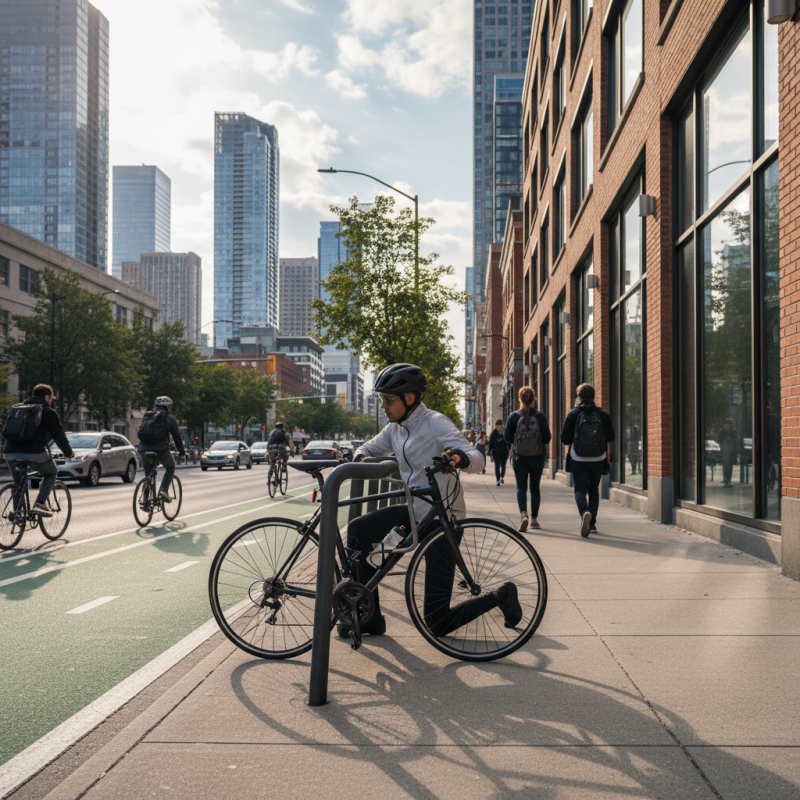
Choosing the Right Lock for Urban Biking Security
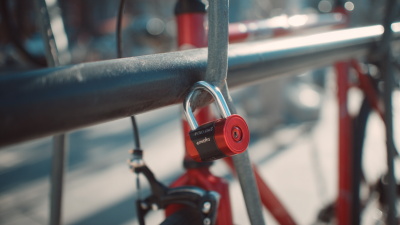
When biking in urban areas, choosing the right lock is essential for securing your bike against theft. The typical Bike Lock options includeU-locks, chain locks, and folding locks, each with its own advantages and disadvantages. For urban biking, a high-quality U-lock is often recommended due to its robust construction and resistance to cutting. Ensure that the lock you choose is rated for high security, as some locks are specifically engineered to withstand various theft methods.
Tip: Always look for locks that have been tested by independent organizations, which rate their security based on how well they resist picking, cutting, and other forms of attacks. Additionally, consider your parking environment; if you frequently lock your bike in high-crime areas, investing in a heavier-duty lock can be a wise decision.
Another important aspect is the size of the lock. Choose a lock that fits your frame and the objects you will secure it to. A lock that is too small can leave your bike vulnerable, making it challenging to secure both the frame and the wheels.
Tip: When locking your bike, try to use two different types of locks for added security. This tactic can deter thieves who may have tools designed for specific lock types. Always lock your bike in well-lit, busy areas, as a visible bike is a less attractive target for potential thieves.
Best Practices for Locking Your Bike in Public Spaces
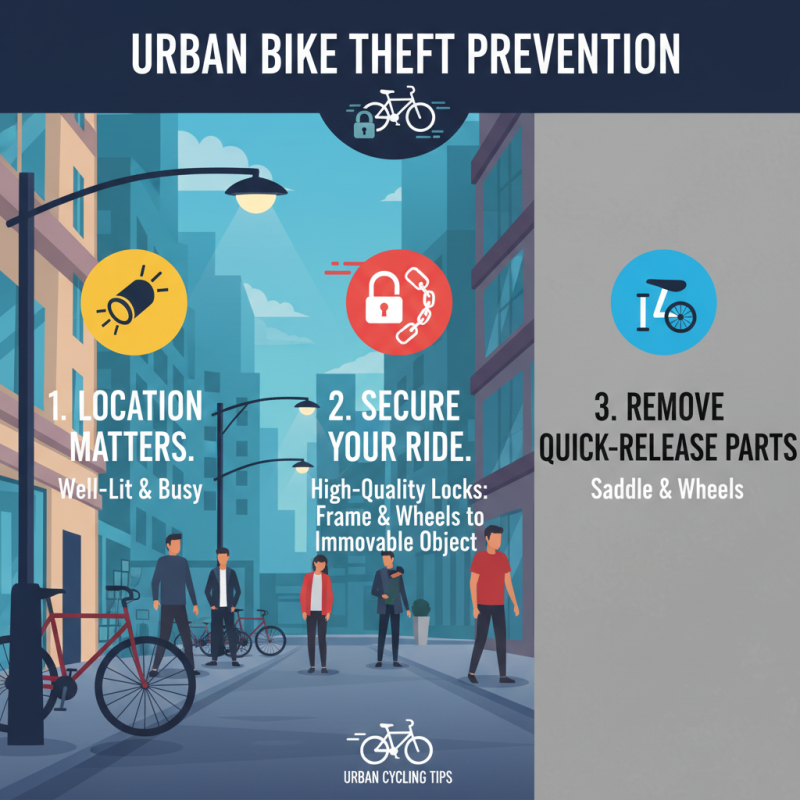
When locking your bike in public spaces, choosing the right location is paramount. Opt for well-lit areas with high foot traffic, as these environments deter potential thieves. Look for established bike racks or sturdy fixed objects that cannot be easily manipulated. Avoid locking your bike in secluded or dimly lit spots, as such areas may be more attractive to criminals. Always ensure that your bike is visible to passersby to enhance security.
When it comes to locking techniques, use a high-quality lock and secure both the frame and the wheels. A U-lock is often more effective than a chain lock, but whatever type of lock you choose, make sure to utilize it properly. Position the lock to be difficult to reach, minimizing leverage points where a thief could apply force. For added security, consider using two different types of locks, as this will make it more challenging for thieves to access your bike. Lastly, remember to remove any accessories or quick-release parts to further discourage theft.
High-Risk Areas: Identifying Locations Where Theft is More Likely
When it comes to biking in urban areas, certain locations are notorious for higher rates of theft. These high-risk areas often include bike racks near busy public transit stations, popular tourist spots, and nightlife districts where crowds gather. In these places, opportunistic thieves may find it easier to strike when there are numerous bikes parked closely together, creating ideal cover and distraction. Cyclists should be particularly vigilant when locking their bikes in these zones, opting for well-lit, frequented areas to reduce the risk of theft.
In addition to understanding which areas pose greater risks, cyclists can enhance their security by observing environmental factors that can contribute to theft. For instance, locations with limited surveillance or diminished foot traffic can be inviting targets for thieves. Similarly, streets and alleyways that lack proper street lighting can also increase vulnerability, as darker places provide cover for criminal activity. By carefully choosing where to park their bikes and securing them with high-quality locks, cyclists can significantly lower the chances of being victimized, even in urban settings prone to theft.
Essential Tips for Biking Safely With a Lock in Urban Areas
| Location Type | Risk Level | Theft Incidence (%) | Recommended Lock Type |
| Transit Station | High | 15% | U-Lock |
| Parks | Medium | 10% | Chain Lock |
| Shopping District | High | 20% | Heavy Duty Lock |
| Residential Areas | Low | 5% | Standard Lock |
| Nighttime Events | Very High | 25% | Double Lock System |
Techniques to Secure Your Bike Components and Accessories
When biking in urban areas, securing your bike components and accessories is crucial for preventing theft. Start by using high-quality locks that are specifically designed for bicycles. A U-lock is often recommended for securing the frame, as it provides a sturdy barrier against would-be thieves. When locking your bike, ensure that the U-lock passes through the frame and at least one wheel, securing it to a fixed object. Avoid locking only the rear wheel or using a cable lock alone, as these methods are less effective.
In addition to the frame, pay attention to securing accessories such as saddles and lights. To deter theft, consider using locking seatposts or quick-release systems that can be secured with a lock. If your bike has removable components, such as a front wheel or accessories like a bike computer, use quick-release locks or secure them to the frame with a smaller lock. Always remember to lock your bike in well-lit, busy areas, and if possible, opt for locations equipped with designated bike racks or facilities that further safeguard your bike and its components.
Understanding Local Laws and Regulations Regarding Bike Security
Understanding local laws and regulations regarding bike security is crucial for anyone biking in urban areas. Different cities have unique rules that outline how bicycles should be locked, where they can be parked, and the responsibilities of cyclists to protect their property. It's important to familiarize yourself with these regulations to prevent potential fines or disputes. Research local ordinances about bike theft, parking zones, and any specific requirements for locking devices, as these can vary greatly from one location to another.
When securing your bike, there are essential tips to follow. First, always lock your bike to a fixed, immovable object in well-lit areas that are frequented by pedestrians. Utilize high-quality locking mechanisms designed for urban environments. Second, consider locking both the frame and the wheels, as securing only the frame increases the risk of theft. Lastly, if possible, bring your bike indoors where it can be monitored, especially in residential areas, as this greatly reduces the chances of theft.
By being aware of local laws and adopting smart locking strategies, you can significantly enhance the security of your bike while navigating urban landscapes. Staying informed and vigilant will give you peace of mind and encourage a safer biking experience.
Monitoring Your Bike: Tips for Vigilant Parking Practices
When it comes to parking your bike in urban areas, being vigilant is essential to safeguard your investment. A thorough inspection of your immediate surroundings can help you identify safe and secure locations. Look for well-lit areas with high foot traffic, as these spots tend to deter thieves. Additionally, parking near public facilities, such as shops or eateries, can provide an added layer of security. Always avoid putting your bike in isolated or poorly lit corners, where it can easily become a target for theft.
Once you've found a suitable parking spot, the next step is to use proper locking techniques. Ensure that you lock both the frame and the wheels to a solid, immovable object. Using a high-quality lock can significantly reduce the risk of your bike being stolen. Consider registering your bike’s serial number with local authorities or bike registries; this can enhance your chances of recovery should your bike ever be stolen. Monitoring your bike while parked, either by checking on it periodically or employing digital tracking devices, can provide peace of mind in urban environments. Being proactive and vigilant can significantly improve your bike’s security.
What to Do if Your Bike is Stolen: Prevention and Recovery Steps
When biking in urban areas, the risk of bike theft is a significant concern. To minimize this risk, it is essential to employ effective prevention strategies. First, always lock your bike in a well-lit, busy location. This deters potential thieves who prefer to operate in secluded areas. Use high-quality locks such as U-locks or heavy-duty chains, and secure both the frame and the wheels to an immovable object. Additionally, consider removing any quick-release components, such as the saddle or wheels, to further protect your bike.
Despite taking precautions, the unfortunate might still happen. If your bike is stolen, it’s crucial to act quickly. Immediately report the theft to local authorities and provide them with details, including your bike's serial number and any unique features. Taking photographs of your bike beforehand can facilitate this process. Additionally, notify local bike shops and post about your stolen bike on social media and community forums; often, stolen bikes can be recognized and reported by vigilant individuals.
Lastly, consider registering your bike with local or national databases to increase the chances of recovery. Familiarize yourself with these resources before biking, so you can act swiftly should your bike go missing. Being proactive in both prevention and recovery steps can make a significant difference in your biking experience in urban environments.
Enhancing Bicycle Security: Insights from Industry Reports on the Efficacy of Heavy-Duty Chain Locks
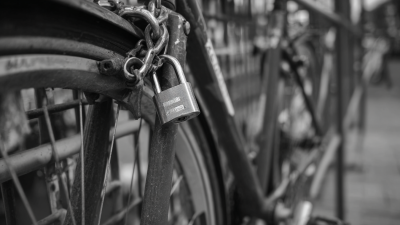
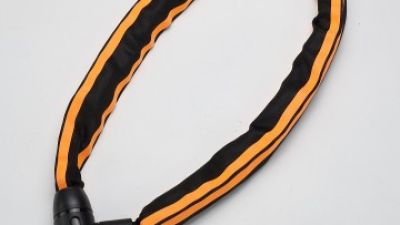
In today's cycling landscape, securing your bicycle has become more important than ever. Industry reports highlight that more than 1.5 million bicycles are stolen each year in the United States alone. To combat this troubling trend, cyclists are turning to heavy-duty chain locks, with advanced design features that enhance security. The Heavy-Duty Chain Lock, featuring a robust 10mm A3 steel chain, represents a formidable deterrent against theft. Its sturdy construction not only resists cutting attempts but also features a protective polyester sleeve that prevents scratches and rust, thereby extending the lock's lifespan.
Moreover, the inclusion of brass keys adds an extra layer of security, as they are less susceptible to wear and manipulation compared to standard keys. Multi-purpose in nature, this chain lock serves various applications, making it an ideal solution not just for bicycles but also for motorcycles, scooters, and other valuable possessions. Reports suggest that using a combination of locks, including a sturdy chain lock, significantly reduces the likelihood of theft, providing peace of mind for owners. By opting for a high-security lock like this, cyclists not only protect their investments but also contribute to a growing culture of bicycle safety and responsibility.
FAQS
: U-locks, chain locks, and folding locks are common options, with U-locks often recommended for their robust construction and resistance to cutting.
Look for locks tested by independent organizations that evaluate their resistance to picking, cutting, and other forms of attacks.
Choose a lock that fits your bike frame and the objects you will secure it to, ensuring it can lock both the frame and wheels effectively.
Yes, using two different types of locks can deter thieves who may have tools designed for specific locks.
High-risk areas include bike racks near busy public transit stations, tourist spots, and nightlife districts where bikes are parked closely together.
Park in well-lit, busy areas with high foot traffic, and avoid isolated or poorly lit corners. Always lock the frame and wheels to a solid object.
Regularly checking on your bike and using digital tracking devices can help deter theft and provide peace of mind.
Yes, registering your bike’s serial number with local authorities or bike registries can improve the chances of recovery if your bike is stolen.
Consider areas with good lighting, high foot traffic, and surveillance, as these conditions can deter potential thieves.
Conclusion
When biking in urban areas, ensuring your Bike With Lock is secure is crucial to prevent theft. Start by choosing the right lock that balances strength and portability. Best practices for locking your bike in public spaces include securing both the frame and the wheels to a solid, immovable object. Be aware of high-risk areas, such as poorly lit streets or busy parks, where theft is more likely, and take extra precautions when parking your bike in these locations.
Additionally, consider securing your bike components and accessories to deter opportunistic thieves. Familiarize yourself with local laws and regulations regarding bike security to remain compliant. To further protect your bike, adopt vigilant parking practices by regularly monitoring its condition. Finally, if your bike is stolen, understanding the necessary prevention and recovery steps can make a significant difference in your chances of recovery. By following these essential tips, biking with a lock can become a safer and more enjoyable experience in urban environments.