When it comes to protecting your beloved ride, having a good Bike Lock is honestly one of those must-have accessories every cyclist should keep in mind. With bike thefts seeming to pop up more and more around the world, it’s pretty important to know how to lock up your bike properly — trust me, it can really make all the difference. In this article, I’m sharing the top 10 tips to lock your bike effectively, giving you some solid info that might just save you from that sinking feeling of losing your bike for good.
We’ll go over different types of locks out there and the best ways to lock your bike so it’s more secure. Whether you’re just casually riding around or you’re a serious cyclist, these tips will help you stay one step ahead. Follow these little tricks, and you can ride with a bit more peace of mind, knowing that your bike’s less likely to get snatched. And honestly, that kind of reassurance makes every ride way more enjoyable, right?
Understanding Different Types of Bike Locks and Their Security Levels
When it comes to securing your bicycle, understanding the different types of bike locks and their security levels is essential. There are primarily three categories of bike locks: U-locks (or D-locks), chain locks, and cable locks. U-locks are often regarded as the most secure option due to their robust, rigid design that makes it difficult for thieves to use leverage tools. According to a 2021 report by the National Bike Registry, U-locks significantly deter theft, as they accounted for only 10% of thefts compared to cable locks, which are often cut in seconds.
Chain locks, while generally heavier and more cumbersome, provide flexibility in securing your bike to various objects. However, the quality of the chain material plays a crucial role in its effectiveness. Thicker, hardened steel chains are recommended, as thinner chains are susceptible to bolt cutters. The same report also highlighted that almost 25% of stolen bicycles were locked with ineffective chains, illustrating the necessity of investing in high-quality locking mechanisms.
Cable locks, though lightweight and portable, are usually the least secure option. They are, unfortunately, easily cut with common tools, making them more suitable for short-term use in low-theft areas. A study by the Cycling Infrastructure Research Center found that only 15% of cyclists used cable locks, suggesting a growing awareness of theft prevention among cyclists. Overall, selecting the right type of lock according to its security level can significantly improve your bicycle's chances of staying safe and secure.
Choosing the Right Location for Locking Your Bicycle
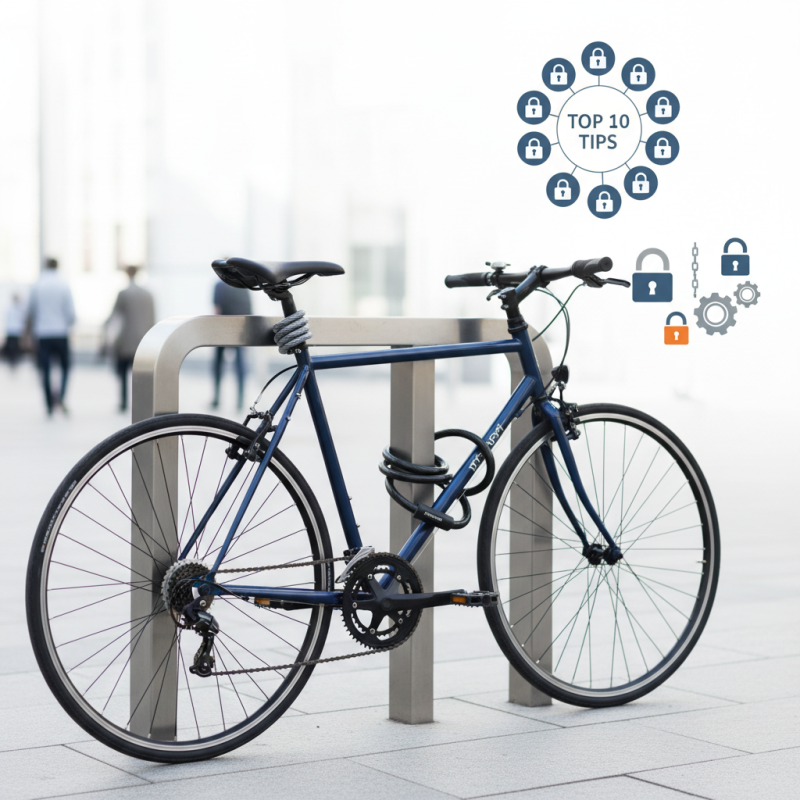
Choosing the right location for locking your bicycle is crucial in ensuring its safety. Ideally, you want to find a well-lit area that has high foot traffic, as this deters potential thieves. Parks, busy sidewalks, or near store entrances are typically more secure than isolated locations. When locking your bike, look for designated bike racks or sturdy, fixed objects that are difficult to manipulate, such as fences or sturdy poles. Avoid locking your bike near objects that can be easily cut or dismantled, as these present more opportunities for theft.
Another smart strategy is to lock your bicycle in plain sight, ensuring that it is visible to passersby. Thieves prefer stealth, so being in open areas increases the likelihood that someone will notice suspicious behavior. In addition, consider the layout of the area; a spot where your bicycle can be easily monitored, either by you or by security cameras, adds an extra layer of protection. Always take a moment to assess the surroundings and choose locations where you feel confident your bike will remain secure during your absence.
How to Properly Lock Your Bike to Deter Thieves
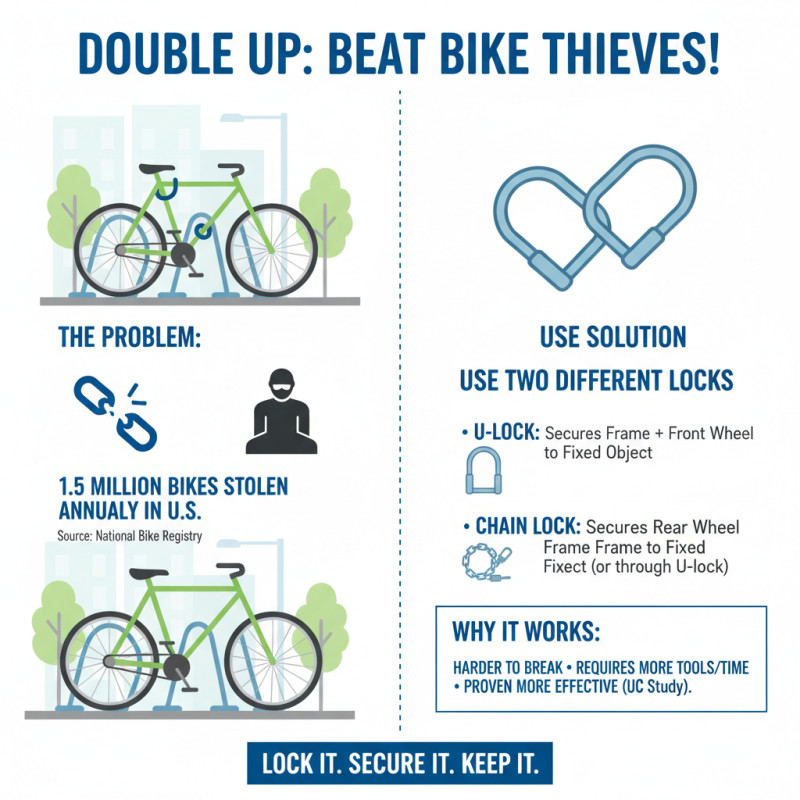
When it comes to deterring thieves, properly locking your bike is crucial. According to a report from the National Bike Registry, nearly 1.5 million bicycles are stolen in the United States each year, a staggering statistic that highlights the importance of effective locking techniques. One of the most effective methods is to use a U-lock in conjunction with a chain lock. This combination not only secures the frame and both wheels but also makes it significantly more challenging for thieves to break through the locking mechanisms. A study by the University of California showed that bikes locked with two different types of locks are less likely to be stolen compared to those locked with a single type.
Additionally, the location where you lock your bike plays a pivotal role in theft prevention. The Crime Prevention Research Center found that 85% of bike thefts occur in public places like streets and parks. Opting for well-lit, busy areas that are monitored by cameras or foot traffic can drastically reduce the risk of theft. It’s also advisable to lock your bike to immovable objects, ensuring that nothing can be easily dismantled or removed. A recent survey indicated that 70% of cyclists believe that locking their bike in secure, crowded areas gave them peace of mind against theft. By implementing these strategies, cyclists can significantly enhance the security of their bicycles and deter potential thieves effectively.
Securing Your Accessories: Locking Helmets and Other Gear
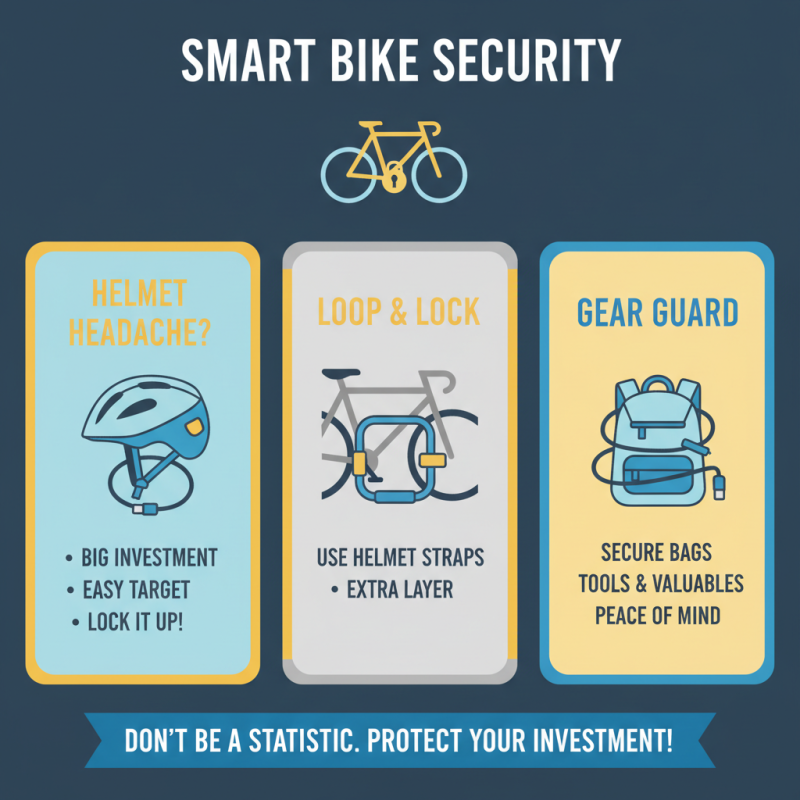
When it comes to securing your bicycle, don’t overlook the safety of your accessories, including your helmet and other gear. A high-quality helmet can be a significant investment, and unfortunately, it’s often left vulnerable when cyclists are away from their bikes. To prevent theft, consider using a separate lock for your helmet. If your helmet has a buckle or attachment point that allows you to loop the lock through, this can provide an extra layer of security. Additionally, securing a lightweight backpack or bag that contains your tools or valuables helps deter theft and keeps everything safe while you focus on your ride.
Beyond just locking your helmet, it’s important to establish a comprehensive approach to securing all your cycling accessories. Items such as lights, bags, and pumps can also be appealing to potential thieves. Using locks that can secure these items to your bike frame or designated anchoring points can significantly reduce the risk of theft. Moreover, if you have detachable components or gear, consider bringing them with you whenever possible, as this will ensure they are always under your watchful eye, ultimately enhancing your overall ride experience.
Using Multiple Locks for Enhanced Security
Using multiple locks is a highly effective strategy to enhance the security of your bicycle, particularly in urban areas where theft rates can be alarmingly high. According to a report by the National Bicycle Dealers Association, nearly two million bicycles are stolen each year in the United States alone. This staggering statistic underscores the necessity of taking proactive measures to protect your investment. By utilizing different types of locks, such as U-locks and chain locks, cyclists can create a layered defense, making it significantly more difficult for thieves to succeed in their attempts.
Moreover, data from the Urban Institute indicates that using more than one lock can deter thieves, as many are looking for quick and easy targets. A study found that bicycles secured with multiple locks are 50% less likely to be stolen compared to those secured with only a single lock. Additionally, varying the types of locks can hinder a thief’s ability to utilize specific tools that are effective against certain lock mechanisms, further complicating their efforts. Overall, combining different locking techniques can not only protect your bicycle better but also provide peace of mind to cyclists in high-risk environments.
Top 10 Bike Lock Tips to Secure Your Bicycle Efficiently
Inspecting Your Lock Regularly for Damage or Wear
Regular inspection of your bike lock is crucial for maintaining bicycle security. According to a report by the National Bicycle Dealers Association, nearly 70% of bicycle thefts occur due to inadequate lock protection. To mitigate this risk, riders should routinely check their locks for any signs of damage or wear. A small crack, rust, or stiff mechanism can significantly weaken the lock’s effectiveness, making it easier for thieves to exploit.
In addition to visual inspection, it's recommended to test the lock's functionality regularly. This can involve locking and unlocking the mechanism several times to ensure it operates smoothly. Regular data analysis from security firms indicates that over 30% of cyclists experience lock failures, often due to neglecting maintenance. Ensuring that a lock is in optimal condition not only prolongs its life but also increases the overall security of the bicycle. Taking a few minutes each month to inspect your lock can save you from the distress of losing your bike to theft.
Educating Yourself on Local Theft Trends and Prevention Tips
Understanding local theft trends is crucial for effectively securing your bicycle. In many urban areas, certain spots are notorious for bike thefts due to poor lighting, lack of surveillance, or close proximity to bars and social gathering places. By educating yourself about these hotspots, you can make more informed decisions about where to park your bike. Utilize community resources, such as neighborhood watch programs or online forums, to stay updated on recent theft occurrences and tips shared by local cyclists.
In addition to knowing where thefts are likely to happen, it’s equally important to employ proactive prevention strategies. Always use high-quality locks, as these are especially designed to withstand tampering. Consider employing multiple locking techniques, such as securing both the frame and wheels to an immovable object. Another effective strategy is to park in well-lit, populated areas where potential thieves may feel exposed. Being aware of the local theft trends and implementing these prevention tips can significantly enhance the security of your bicycle, helping you ride with greater peace of mind.
An Essential Guide to Choosing the Right Cable Lock for Your Bicycle: Featuring Wenzhou Nurbo's Stylish and Secure Options
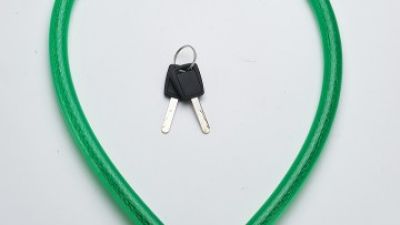
Choosing the right cable lock for your bicycle is crucial for ensuring its safety while you enjoy outdoor adventures. When it comes to security, a high-quality lock made from resilient materials can make all the difference. A cable lock featuring a zinc alloy lock cylinder and a PVC-coated wire rope offers a blend of flexibility and strength, making it ideal for cyclists on the go. According to industry reports, over 1.5 million bicycles are stolen annually in the U.S. alone, highlighting the importance of investing in a reliable locking mechanism that deters thieves effectively.
A well-designed cable lock combines functionality with style. For example, locks that incorporate anti-theft features like a self-coiling design, weather resistance, and a sturdy wire rope can provide added security and ease of use. With an increasing focus on aesthetic appeal, trendy lock designs can complement the overall look of your bicycle, making security not just practical but also fashionable. Moreover, the lock's lightweight nature and easy mounting options ensure that carrying it along during rides remains hassle-free.
In a market where consumer safety is paramount, selecting a cable lock that stands out for its durability and design is essential. Opting for a lock that includes features such as brass keys and a flexible, braided structure will not only enhance security but also cater to your need for convenience and style. Always prioritize products that offer a combination of advanced materials and practical features to safeguard your bicycle effectively.
FAQS
: The best locations to lock your bicycle are well-lit areas with high foot traffic, such as busy sidewalks, parks, or near store entrances, as these deter potential thieves.
Yes, using multiple locks is an effective strategy to enhance bicycle security. It makes it significantly harder for thieves since they prefer quick and easy targets.
It’s recommended to use different types of locks, such as U-locks and chain locks, to create a layered defense against theft.
Locking your bike in plain sight makes it more visible to passersby, increasing the chances that any suspicious activity will be noticed, which deters thieves.
Being informed about local theft trends helps you avoid high-risk areas and make better decisions about where to park your bike, enhancing its security.
Proactive strategies include using high-quality locks, employing multiple locking techniques, and parking in well-lit, populated areas to deter potential thieves.
Choose locations where your bike can be easily monitored by you or by security cameras, providing an additional layer of protection against theft.
Avoid locking your bike near objects that can be easily cut or dismantled, as these increase opportunities for theft. It's best to secure your bike to sturdy, fixed objects.
Using multiple locks can reduce the likelihood of theft by up to 50% compared to bicycles secured with only a single lock.
Community resources such as neighborhood watch programs or online forums can provide updates on recent theft occurrences and share valuable tips from local cyclists for better security.
Conclusion
To effectively secure your bicycle, understanding the different types of bike locks and their respective security levels is crucial. Selecting an optimal location for locking your bike can significantly deter thieves. Properly locking your bike requires techniques that ensure all valuable parts, including accessories like helmets, are secured. Utilizing multiple locks can further enhance security by making it more difficult for thieves to access your bicycle. Regularly inspecting your bike lock for any damage or wear is essential to maintain its effectiveness. Additionally, staying informed about local theft trends and prevention strategies can empower cyclists to make better decisions about their bike security. Ultimately, employing these bike lock tips will help ensure that your bicycle remains safe and secure.