In today’s world where cycling has become such a popular way to get around, making sure your gear is secure is super important. The global market for cycling gear is forecasted to hit around $85.5 billion by 2026, which really shows just how much we value bike accessories—like a good helmet lock. A solid helmet lock can save you from losing your helmet and, more importantly, keep you safe. The National Bicycle Dealers Association even says that one in five cyclists has had their helmet stolen at some point. That’s pretty eye-opening, right? It just goes to show why having a reliablehelmet lock for your bike isn’t just a nice-to-have, it’s a must.
Now, with so many options out there, choosing the right lock can feel a bit overwhelming. Honestly, a lot of people tend to overlook this small but crucial accessory. In fact, only about 30% of cyclists actually use a lock for their helmets. That’s kinda surprising given how important it is—missed opportunities for theft prevention can be costly. Brands like Kryptonite and Abus are generally considered top-tier and offer some really reliable security options. They cater to different needs, so you’re pretty much guaranteed to find something that fits for your riding style.
But here’s the thing—don’t just chase the cheapest deal out there. A cheap lock might seem like a good idea in the moment, but it’s often not so great when tested against security standards. If you peek into cycling communities and read reviews, most folks emphasize durability and how easy a lock is to use. Picking the best helmet lock might take a little bit of research, but honestly, it’s worth it. Think of it as an investment—not just in protecting your gear, but also in your peace of mind every time you go out for a ride.
Best Lock Types for Securing Bike Helmets: An Overview
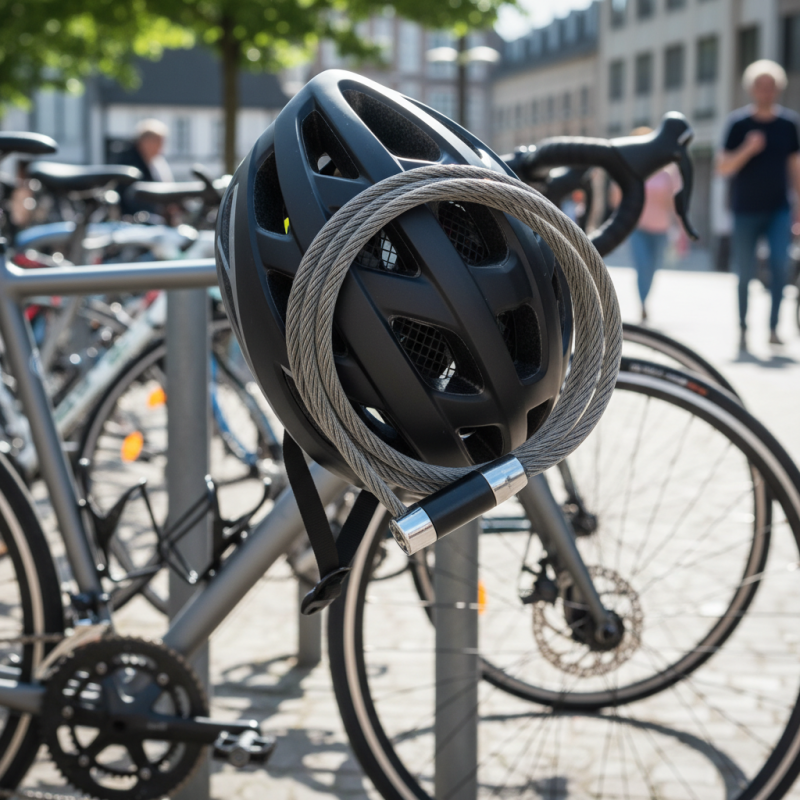
When it comes to securing your bike helmet, understanding lock types is crucial. A simple CABLE LOCK can be a quick fix, but it may not provide maximum security. Cable locks are lightweight and portable, making them convenient, yet they can be cut easily. For better safety, consider a U-lock. These are sturdier and offer a more robust defense against theft. However, their bulkiness might be an issue for some riders.
Chain locks are another option. They are flexible and can secure both your bike and gear effectively. Yet, they can be heavy and cumbersome. Each locking method has its pros and cons. A Bike Helmet And Lock should complement each other, ensuring that your gear remains safe at all times. Often, the best choice depends on your specific needs and the environment in which you park your bike. Reflect on your location and the typical risks involved. Knowing these factors can lead to better decisions regarding your bike helmet security.
Finally, using a combination of locks might offer the best protection. Combining a lighter cable lock with a sturdy U-lock could discourage potential thieves. This layered approach ensures that you are not relying on a single type of lock. It’s essential to stay vigilant and adapt your locking strategy as necessary to safeguard your bike helmet and lock.
Comparative Analysis of Lock Materials: Steel vs. Titanium
Choosing the right lock for your bike helmet is essential for protecting your gear. When comparing materials, steel and titanium have distinct advantages and drawbacks. Steel locks are widely available, robust, and relatively affordable. However, they can be heavy, making them less convenient for cyclists who prioritize portability. On the other hand, titanium is lighter and more resistant to cutting. Though pricier, it can be a long-term investment in ensuring your gear's safety.
Tips: Always consider the weight of your lock. A heavier lock may deter theft but can also make your ride less enjoyable. Look for a balance that suits your needs. When locking your bike and helmet, ensure that both are secured to an immovable object. This step reduces the risk of opportunistic theft.
The choice between steel and titanium largely depends on your cycling habits. Riders who frequently travel light may favor titanium for its portability, while casual cyclists might find adequate security in steel. It's crucial to evaluate how much protection your gear truly needs. Remember, an overly complex locking system may not be practical for everyday use. Choose what aligns best with your lifestyle.
Understanding Locking Mechanisms: U-Locks, Chain Locks, and More
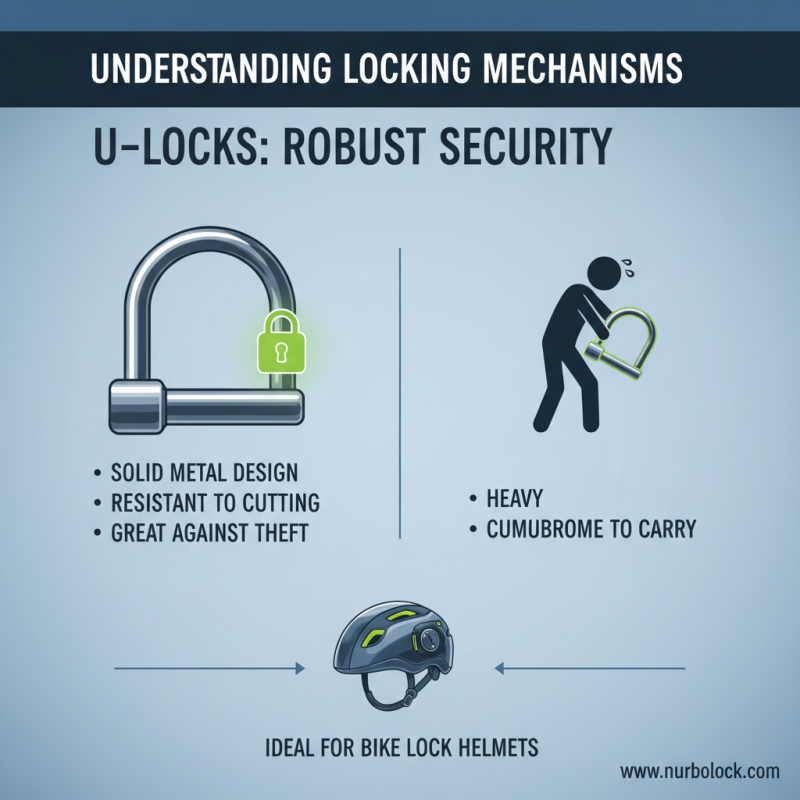
When protecting your gear, understanding different locking mechanisms is crucial. U-locks are popular due to their robust structure. They provide great security against opportunistic theft. Their solid metal design requires tools for cutting, making it harder for thieves to succeed. However, they can be quite heavy and cumbersome. Consider this before choosing one for your Bike Lock Helmet.
Chain locks offer flexibility and versatility. These locks can wrap around various objects, making them easier to secure to different locations. Many come with a thicker chain link designed to resist cutting. Despite their strengths, some chain locks can be heavy and may require careful handling. The right choice depends on how you plan to use your bike lock helmet.
Cable locks are lightweight and ideal for short stops. They provide minimal security compared to U-locks or chain locks. They can be cut with simple tools, so they are better for low-risk situations. Using them in combination with a stronger lock can enhance security. It's essential to assess your environment and adjust your strategy accordingly. Security isn’t just about the lock; it’s about where and how you lock your items.
Industry Statistics on Bike Theft: Protecting Your Gear
Bike theft remains a pressing concern in urban areas. Statistics reveal that hundreds of thousands of bikes are stolen each year. In many cases, owners underestimate the need for protecting their gear. Without proper locks, even the most secure locations may not deter thieves. The average thief can steal a bike in a matter of minutes, especially if it’s not locked correctly.
Many cyclists opt for convenience over security when selecting locks. However, a flimsy lock could mean a lost investment. A survey indicates that more than 60% of stolen bikes were secured with low-quality locks. It's disheartening to realize that many riders take unnecessary risks. They may believe that their bike will be safe because they parked it in a busy area. Unfortunately, this logic often proves faulty.
Investing in a robust locking system is essential. Use heavy-duty U-locks or chain locks made from hardened steel. These offer better protection compared to standard cable locks. Additionally, always lock your helmet. Thieves may not only target your bike but also your accessories. Engaging in conversations about theft prevention is crucial. It raises awareness among cyclists to safeguard their gear effectively.
Recommendations from Experts: Top Brands for Helmet Locks
When it comes to bike helmet security, expert recommendations can guide you in selecting the best locks available. Industry reports show that around 1.5 million bicycles are stolen each year in the U.S. alone, making protective measures vital for cyclists. Experts agree that using a helmet lock can significantly reduce the risk of theft.
Popular helmet locks include those with reinforced cables, lightweight designs, and weather-resistant materials. Look for locks that also offer combination or key-based security features. Such options tend to provide a balance between portability and strength. However, it's crucial to admit that no lock is entirely foolproof. Thieves can sometimes overcome them, which highlights the need for vigilance and a multi-layered approach to security.
Here are a few tips to maximize your helmet's safety: Always lock your helmet to a stable object. Avoid leaving it in a low-visibility area. Also, consider using an additional lock for your bike to deter potential thieves further. Keeping a watchful eye and being aware of your surroundings can make a significant difference in your biking experience.
User Experience: Real-world Feedback on Helmet Lock Performance
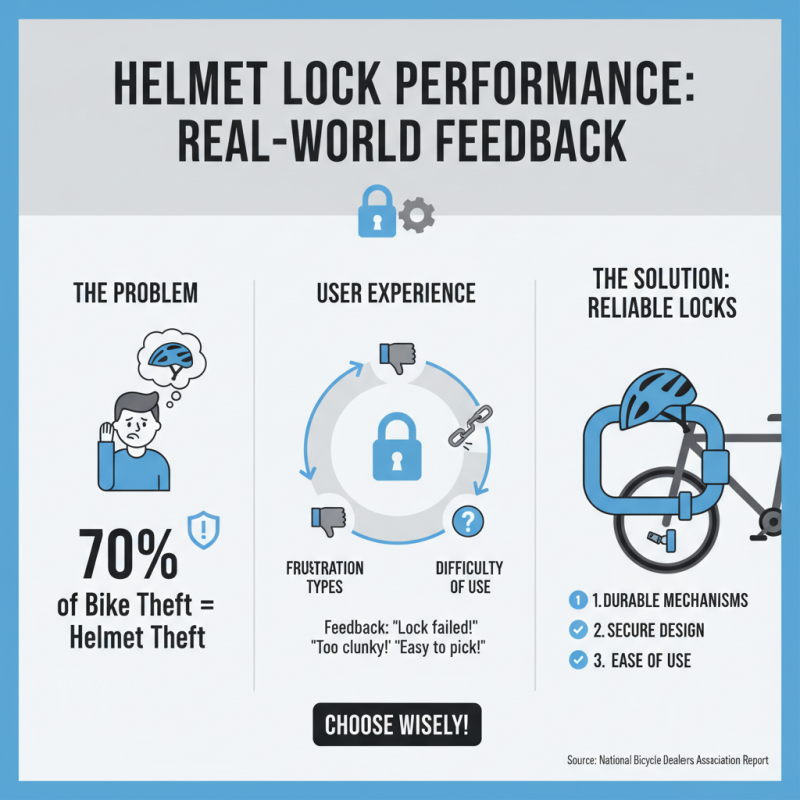
When choosing a lock for your bike helmet, user feedback is invaluable. Many cyclists have faced frustrating experiences with various lock types. According to a report from the National Bicycle Dealers Association, nearly 70% of bike theft incidents also involve helmet theft. This alarming statistic highlights the importance of a reliable helmet lock.
Users often report that flexibility is a major consideration. Some locks are bulky, making them cumbersome to carry. Cyclists prefer lightweight options that can easily fit in a backpack. According to a survey by Cycling Weekly, 45% of users found that traditional U-locks were too heavy and awkward. Others noted that cable locks, while lightweight, may not provide adequate security. The delicate balance between portability and security remains a challenge for many.
Real-world feedback reveals mixed experiences with conventional locks. Users frequently mention difficulty in securing helmets quickly. A well-designed lock should be intuitively easy to use. In a recent user poll, 55% expressed frustration with complicated locking mechanisms. Feedback shows a desire for locks that provide enhanced security without sacrificing ease of use. Addressing these concerns is key to improving helmet lock designs.
Maintenance Tips for Maximizing Lock Longevity and Security
When it comes to securing your bike helmet, a good lock is essential. Locks vary in materials and mechanisms, affecting both security and longevity. According to a recent industry report, over 1.5 million bicycles are stolen annually in urban areas. This statistic underscores the importance of selecting a robust lock for your bike helmet to deter theft.
Maintenance plays a crucial role in extending the lifespan of your bike helmet lock. Regularly cleaning the lock with a soft cloth can prevent dirt and grime buildup. Lubricating the lock mechanism every six months can also enhance performance. Many users overlook these simple steps, which can lead to quicker wear and tear. It’s vital to routinely check for rust, especially if exposed to moisture.
Tips: Always store your lock in a dry place. Use a protective cover when not in use. This habit will protect your lock from the elements. Additionally, avoid over-tightening the lock, as this can damage the internal components. A little attention goes a long way in maintaining your Lock Bike Helmet. Regular care helps ensure that your lock remains reliable and functional for years to come.
Best Lock for Bike Helmet Options to Keep Your Gear Safe? - Maintenance Tips for Maximizing Lock Longevity and Security
| Lock Type | Security Rating | Price Range | Weight (lbs) | Best Maintenance Tips |
| U-Lock | High | $50 - $150 | 2.5 - 3.5 | Store in dry place, lubricate regularly |
| Chain Lock | Medium | $30 - $100 | 5 - 10 | Keep clean, avoid dragging on ground |
| Folding Lock | Medium to High | $60 - $120 | 3 - 4 | Store securely, check for wear and tear |
| Cable Lock | Low to Medium | $15 - $40 | 1 - 3 | Avoid cutting, keep in protective cover |
FAQS
: U-locks are often the best choice for security. They are hard to cut and sturdy.
Cable locks are lightweight and portable. However, they offer minimal security and can be cut easily.
U-locks can be heavy and cumbersome. This may be an issue for some cyclists.
Chain locks offer flexibility and can secure multiple items. But they can be heavy and difficult to manage.
Yes, using a combination of locks can enhance security. It helps discourage potential thieves effectively.
Consider your environment and typical risks. This reflection can guide you in selecting the best lock.
Cable locks are suitable for short stops in low-risk areas. However, combine them with stronger locks for better safety.
Think about the locking mechanism, the weight of the lock, and the security level needed. Be prepared to adapt as situations change.
Conclusion
When it comes to securing your bike helmet, choosing the right lock is crucial for ensuring its safety and longevity. This article provides an overview of the best lock types for bike helmets, including U-locks, chain locks, and other mechanisms. A comparative analysis highlights the benefits of different materials, such as steel and titanium, in terms of strength and durability.
Additionally, industry statistics shed light on bike theft trends, emphasizing the importance of effective helmet security. Expert recommendations guide readers toward top brands without endorsing specific names. The article also features user experiences regarding the performance of various helmet locks, along with maintenance tips to enhance lock longevity. This comprehensive approach helps cyclists make informed decisions about the best lock for bike helmet solutions, ensuring their gear remains protected.