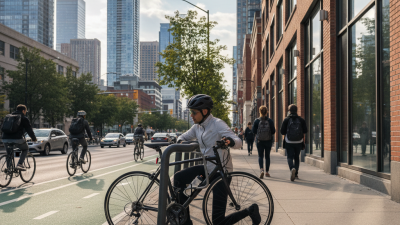
These days, as more folks get into cycling, making sure your bike is locked up securely is more important than ever. Did you know that bike theft has actually gone up by around 40% in urban areas over the last five years? Crazy, right? This really underscores how crucial it is to pick a good lock—trust me, choosing the right one can make all the difference between getting your bike back or losing it for good.
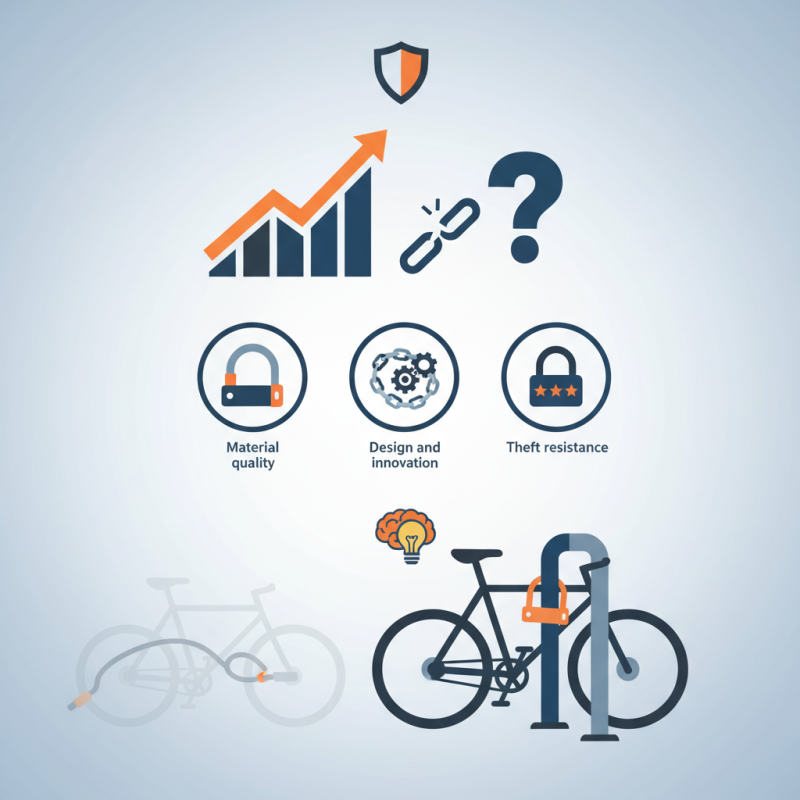
James Whittaker, a well-known expert from BikeSecure Inc., puts it plainly: "Choosing the right lock could be the difference between seeing your bike again or not." His point hits home—not all bike locks are created equal. The quality of the materials, how they’re designed, and their theft resistance ratings all play a huge role in how effective your lock really is.
Oddly enough, even with tons of options out there, a lot of cyclists tend to go for convenience rather than security. They often pick lightweight locks that don’t do much to keep bikes safe. It’s a common issue—people just aren’t always aware of how important good security is, or they’re unaware of the tech that’s available. Finding that perfect lock for your bike isn’t just about grabbing the first shiny thing you see; it’s about being smart and proactive about protecting your ride.
What to Consider When Choosing a Bike Lock
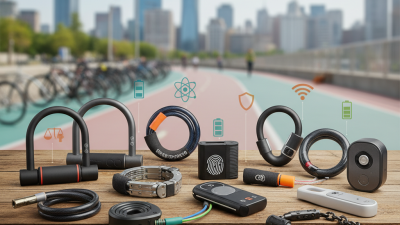
When it comes to securing your bike, selecting the right lock is crucial. A recent survey indicated that one in five cyclists has experienced theft. This alarming statistic highlights the need for effective security measures. When choosing a bike lock, consider the type of lock, its material, and the level of security it offers. U-locks are popular for their strength, while chain locks offer flexibility in securing multiple parts of your bike.
Material quality matters greatly. Steel locks resist cutting better than aluminum ones. According to data, high-security locks can reduce the risk of theft significantly. However, they tend to be bulkier. Consider your commuting habits. If you bike frequently, a lighter lock might suit you better, despite offering less security.
Tip: Always lock your bike in well-lit, busy areas. Use locking techniques that secure both the frame and the wheels. Be mindful of the lock's weight if you carry it on longer rides. The China Bike Lock Bike Lock market offers various options that balance security and convenience. Remember, a good lock is an investment in peace of mind, not just a piece of equipment.
Types of Bike Locks: A Comprehensive Overview
When it comes to securing your bike, understanding the different types of locks is crucial. U-locks are popular for their strong build. They offer high resistance against cutting tools. However, they're not invincible. If not secured properly, thieves may still find a way.
CHAIN LOCKs provide versatility. They are flexible and can wrap around various objects. This can be a significant advantage. Yet, some models are heavy, making them less portable. Consider your daily routine when choosing. If weight is an issue, a lighter option may suit you better.
Folding locks are another innovative choice. They combine portability with security features. Unlike traditional locks, they can be compactly stored. Despite this, they tend to have a higher price point. Weigh the cost against your needs. Ultimately, the best lock for your bike blends convenience with security. Understanding these details can make a significant difference. Each option has its strengths and weaknesses. Reflect on what matters most for your specific situation.
Comparison of U-Locks, Chain Locks, and Folding Locks
When it comes to securing your bike, the choice of lock is crucial. U-locks are often favored for their strength and durability. According to the "Bicycle Theft Prevention Report." 60% of bike thefts occur in urban areas, where U-locks provide a robust defense against would-be thieves. They resist cutting and leverage attacks better than other types. However, their bulk can make them less convenient for transport, leading to some riders seeking alternatives.
Chain locks offer great versatility. They are flexible and can secure a bike to various objects. While they are generally heavy, some lightweight options are gaining popularity. A study by the Institute of Transport Research indicates that chain locks are becoming the top choice in urban settings, especially for those who value ease of use. Still, they can be vulnerable to bolt cutters, and not all models are equally robust.
Folding locks present an innovative middle ground. They combine portability with solid security features. Reports show that folding locks are making strides in popularity, particularly among commuters. Although they are compact, some models may compromise on security due to their lightweight design. Each lock type has strengths and weaknesses. Evaluating individual needs and riding habits is essential when choosing an OEM Bike Lock Bike Lock.
Security Ratings: Understanding Lock Standards and Ratings
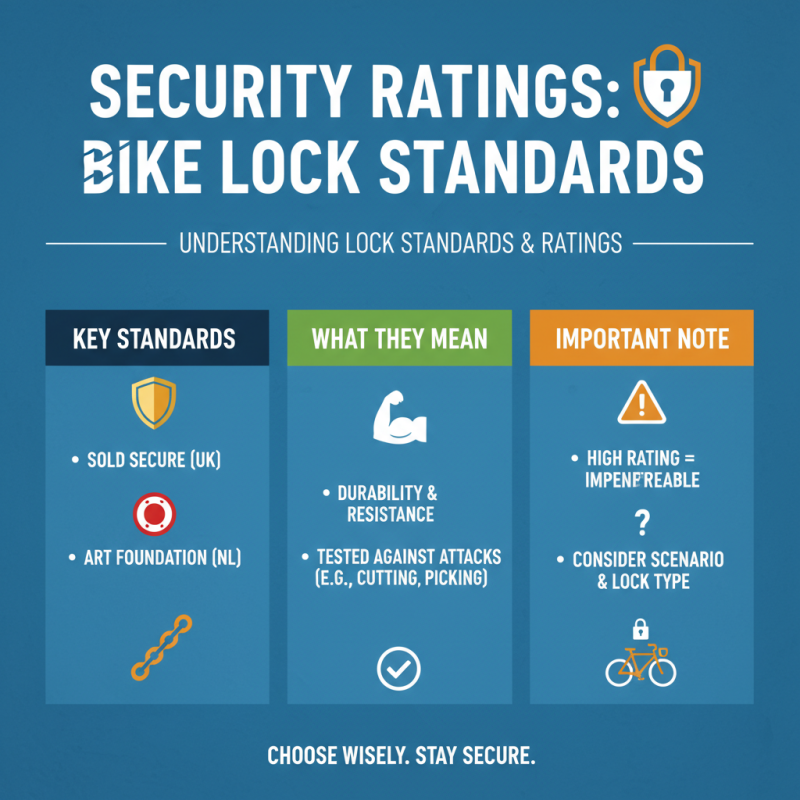
When choosing a bike lock, security ratings play a crucial role. Various standards exist to assess the effectiveness of locks. These ratings, like Sold Secure and ART, offer insights into product durability. However, not all locks are created equal. Some might boast high ratings but can still be vulnerable in specific scenarios. It's essential to understand what these ratings mean.
Knowledge about lock types is also vital. U-locks, chain locks, and folding locks provide varying levels of security. A U-lock often offers strong resistance against cutting, while a chain lock may provide flexibility. This flexibility sometimes leads to complacency in securing the bike properly. Users must consider their environment and potential threats. An often overlooked detail is the locking mechanism itself. Some mechanisms can be picked easily, despite a lock’s high rating.
Moreover, evaluating ratings can be daunting. Not everyone has the expertise to interpret these standards. It’s easy to choose a lock based solely on a high score. However, a thoughtful approach is needed. Understanding your specific circumstances can lead to a better choice. Reflecting on personal experiences can significantly influence lock selection. In the end, the best lock for your bike combines knowledge, experience, and a keen awareness of the surrounding risks.
Tips for Properly Locking Your Bike for Maximum Security
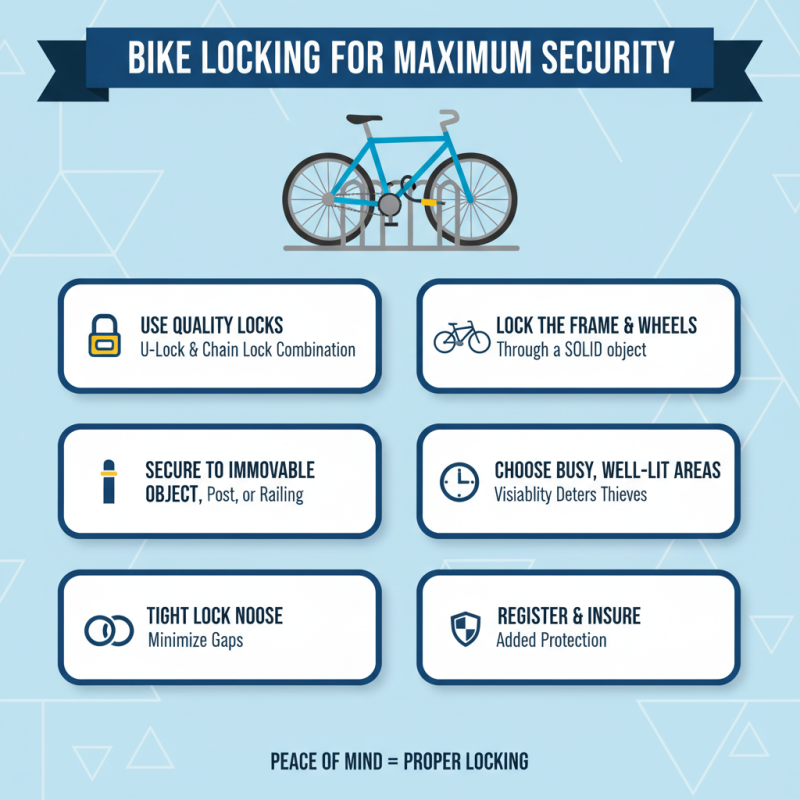
When securing your bike, the choice of lock is crucial for its safety. A reliable lock isn’t just a product; it represents peace of mind. Proper locking techniques can significantly enhance your bike's security. Here are some practical tips to consider.
Select a sturdy lock, such as a U-lock or chain lock. These options are often more resistant to bolt cutters. Never depend solely on a cable lock. They are easier to compromise. Use a lock that meets the recommended security standards for added assurance.
Always secure both the frame and the wheels. Position your Custom Bike Lock Bike Lock through the frame and a sturdy object. Avoid locking it to light posts or fences that can be easily climbed. Locking in a well-lit, high-traffic area can also deter thieves.
After a ride, take a moment to inspect your lock. Look for signs of wear or damage. A compromised lock can offer a false sense of security. Also, be mindful of the environment. Sometimes, thieves work in pairs, creating distractions. Stay vigilant. Secure your ride effectively to enjoy peace of mind while biking.
Best Practices for Storing Your Lock When Not in Use
When it comes to bike security, storing your lock properly is as important as the lock itself. Many cyclists overlook the need for effective storage. A poorly stored lock can become damaged or tangled, leading to frustrations. Keeping your lock in a designated spot, preferably in a compartment of your bike bag or a dedicated area of your home, can help extend its life.
Consider using a holder or clip that keeps your lock organized. A simple approach like this prevents wear and tear. However, many people forget to check the lock's condition regularly. Signs of rust or should not be ignored. A clean lock not only functions better but enhances security. Ensure that you routinely clean and lubricate your lock, as neglecting this can lead to mechanical failure.
Don't underestimate the impact of visibility, either. If your lock is always in sight, you’ll remember to use it. Storing your lock carelessly or leaving it in obscure corners might encourage theft. This point may seem trivial, but it's vital. Proper storage helps maintain your lock's integrity while also serving as a reminder to secure your bike consistently.
Budget-Friendly Options vs. High-End Locks: What's Worth It?
When it comes to bike security, choosing the right lock is crucial. Numerous studies show that up to 1.5 million bikes are stolen in the U.S. each year. Evaluating budget-friendly options versus high-end locks can make a significant difference. Budget locks often range from $20 to $50, while high-end ones can exceed $100. Lower-priced locks might not withstand determined thieves.
Research indicates that U-locks, often deemed high-end, offer superior protection. They resist bolt cutters and leverage attacks better than cable locks. In a survey by the National Bike Registry, 60% of stolen bikes were secured with a lock that was easily compromised. Investing in a quality lock can drastically reduce the chance of theft.
Consider these tips. Always choose a lock that fits your bike’s frame well. A snug fit reduces the chance of tampering. Additionally, secure your bike in well-lit areas and use multiple locks if possible. Those looking for options can explore Wholesale Bike Lock options. Sometimes, spending a bit more initially can save you from the heartache of losing your bike. Without proper research, budget options might feel like savings at first but could lead to regrets later.
What is the Best Lock For The Bike to Secure Your Ride?
| Lock Type | Price Range | Security Rating | Weight | Best Use |
| U-Lock | $50 - $150 | High | 3 - 5 lbs | City Riding |
| Chain Lock | $30 - $100 | Moderate | 4 - 8 lbs | Flexible Use |
| Folding Lock | $70 - $150 | High | 2 - 4 lbs | Urban Environments |
| Cable Lock | $15 - $50 | Low | 1 - 3 lbs | Quick Stops |
Innovative Bicycle Security: Exploring the Benefits of China’s 5 Combination Steel Cable Wire Rope Lock
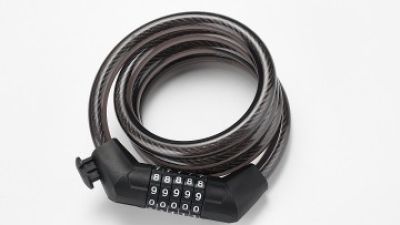
When it comes to bicycle security, the innovative design of a 5 combination steel cable wire rope lock stands out as an exceptional option for safeguarding your ride. Crafted from high-quality materials such as a zinc alloy lock cylinder, an ABS case, and a protective PVC wire rope, this lock offers not only reliability but also versatility for a range of applications. The steel cable, available in various sizes of 10, 12, or 15 mm, ensures robustness, while its flexible design allows for easy maneuverability around different objects.
One of the key features of this 5-digit resettable code lock is the impressive range of 10,000 possible combinations, which significantly enhances security against unauthorized access. Compared to traditional locks, this feature makes it much harder for thieves to crack the code, providing peace of mind for users. In addition, the durable construction, combined with the protective PVC coating, helps to prevent scratches and rust, ensuring that the lock maintains its integrity and appearance over time.
Beyond bicycles, this multipurpose lock is ideal for a variety of needs, including securing motorcycles, scooters, skateboards, and even garden tools like lawnmowers. Its sturdy and durable design, paired with easy portability, makes it an essential security tool for anyone looking to protect their valuable possessions in different environments. Whether it’s for daily use or occasional needs, this innovative lock promises to offer a reliable solution for all your security concerns.
FAQS
: Selecting the right lock is crucial for preventing bike theft. Statistically, one in five cyclists has faced theft.
There are several types, including U-locks, chain locks, and folding locks. Each offers distinct advantages and disadvantages.
U-locks are known for strength, while chain locks offer flexibility. U-locks resist cutting better than chain locks.
Steel is superior to aluminum for resisting cuts. High-security locks provide better protection but may be bulkier.
Use a sturdy lock. Always secure both the frame and wheels to a fixed object in a well-lit area.
Yes, lighter locks may be easier to carry but often provide less security. Consider your usage habits when choosing.
Absolutely, a higher security level may mean a bulkier lock. Balancing security and convenience is vital.
Check for wear and damage. A compromised lock can give a false sense of security, so regular checks are important.
Be vigilant. Thieves often create distractions to catch you off guard. Always observe your surroundings when locking up.
Conclusion
When choosing the best lock for the bike, several factors must be considered to ensure optimal security. This includes understanding the different types of bike locks—such as U-locks, chain locks, and folding locks—and their respective advantages and disadvantages. It’s essential to look into security ratings that indicate the strength and reliability of these locks, providing insights into the level of protection they can offer.
Additionally, to maximize security, proper locking techniques are crucial. Riders should also learn best practices for storing their locks when not in use. Budget considerations come into play, with options ranging from affordable locks to high-end models that might provide better protection. Ultimately, finding the right lock for the bike involves balancing security needs with budget constraints, ensuring your ride remains safe.