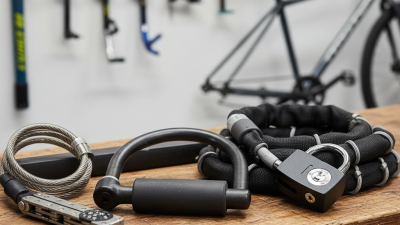
Choosing the best chain Cycle Lock made in China isn’t just about comparing prices or falling for flashy ads. You really want a lock that hits the right balance—think chain thickness, quality of steel, how the cylinder works, weight, weather resistance, and ease of use day-to-day. For most riders, starting with an 8 to 10 millimeter hardened steel chain usually does the trick. But hey, thicker isn’t always better—it can get pretty heavy, which is a pain if you're commuting regularly.
In this guide, I’ll walk you through how Chinese manufacturers design, test, and support their Bike locks. We’ll look at quality controls at the factory, how they trace materials, corrosion protection, key consistency, and what kind of warranty support they offer. A good chain lock should fit snugly around your bike frame and a fixed rack without feeling loose. The fabric sleeve should keep your paint from getting scratched, and your key should turn smoothly, even after exposure to rain, dust, or lots of use. It’s worth digging a little deeper—don’t just go by fancy photos! Check for independent test results and whether they meet recognized standards.
Sometimes, what you see in specs or photos doesn’t tell the whole story. A lock might seem solid but could have a stiff mechanism that makes it tough to open, or it might be super protective but a nightmare to carry on long rides. Honestly, no lock is perfect. My opinion might even change after I’ve used the same model through winter’s rust and wet, crowded parking lots, or on those days I’ve got a bunch of gear to carry. Also, I’ve noticed some sellers call these things Cycle Lock Chain which can get pretty confusing when you're searching online. So, in the end, I stick to key factors like measurable features, transparency from the manufacturer, and what other users are saying. Your final pick should really match your bike’s value, where you park, how you ride, and whether you're okay with carrying a little extra weight.
Hope this helps you find the right lock that keeps your bike safe without turning into a hassle!
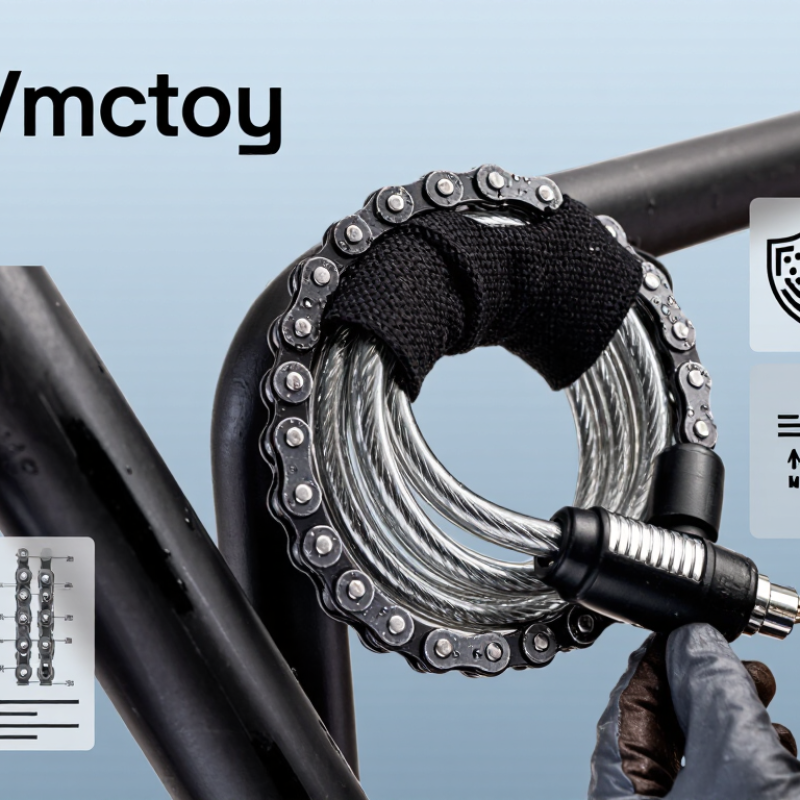
What Defines the Best Chain Cycle Lock Made in China?
What Is the Best Chain Cycle Lock Made in China?
The best chain cycle lock made in China is defined by measurable protection, not its origin. The chain should use hardened alloy steel with consistent link thickness. Each link needs clean welding and resistance to cutting, prying, and twisting. A strong lock still fails if its cylinder is poorly protected.
The Office for National Statistics estimated about 77,000 bicycle theft incidents in England and Wales during the year ending March 2024. That figure shows why practical security matters. EN 15496 testing can help assess bicycle-lock performance, while ISO 9001 certification supports controlled manufacturing processes. However, certification alone does not prove real-world resistance. Independent testing, batch records, and transparent material specifications matter more. Some product pages still make vague claims. That deserves caution.
Tips: Choose a chain with a protective sleeve and a hardened, weather-resistant lock body. Check the actual chain diameter, not only the package weight. Test the key movement before installation. Keep the chain tight around the frame and an immovable object. A lighter lock may be easier to carry, but it can offer less cutting resistance. A heavier model is not automatically better. Look for corrosion testing, warranty details, and clear laboratory evidence. Ask for the test standard and report number. If the seller cannot provide them, reconsider the purchase.
How Chinese Chain Cycle Locks Are Designed and Manufactured
What makes the best Chain Cycle Lock made in China is not appearance alone. Its security begins with material selection and controlled manufacturing. Many Chinese factories use hardened steel for the chain links, then weld and inspect each connection. Heat treatment improves resistance against cutting and forced bending. However, excessive hardness can make steel brittle. This balance requires laboratory testing and experienced technicians.
Production usually follows several checkpoints. Workers measure link diameter, examine weld seams, and test the lock cylinder after assembly. Reliable manufacturers record tensile strength, coating thickness, and repeated locking cycles. Protective finishes, such as zinc or powder coating, help reduce rust after exposure to rain and road salt. I have found that small gaps around the lock body deserve attention. They can collect water and dust. A smooth surface is useful, but it does not prove strong internal parts.
Tips: Check chain diameter, weight, weld quality, and key movement. Ask for test records, inspection standards, and corrosion results. Store the lock dry when possible. My practical concern is simple: factory claims may sound precise, yet testing methods can differ. Buyers should compare clear data instead of trusting photos. A dependable Chain Cycle Lock should feel solid, close smoothly, and retain consistent performance after repeated use.
Which Materials and Construction Features Matter Most?
A dependable Cycle Chain Lock begins with its steel, not its packaging. Hardened boron-alloy or manganese steel offers better resistance than untreated carbon steel. Look for links measuring roughly 8–10 millimetres. Larger links add cutting resistance, but they also add weight. That trade-off matters during daily commuting.
The UK Office for National Statistics estimated about 77,000 bicycle theft incidents in the year ending March 2024. This figure explains why construction details deserve close attention. A protective nylon sleeve should cover every link. It prevents paint damage and reduces corrosion from rain, road salt, and damp storage. The locking body should use a hardened shackle, a protected keyway, and resistance against drilling and prying. Welds need smooth edges and consistent penetration. Uneven weld beads can reveal rushed production.
Material certificates and batch testing matter in Chinese manufacturing. Ask for heat-treatment records, tensile-strength results, and corrosion-test conditions. Independent certification under EN 15496 or comparable testing schemes adds useful evidence. Still, certification is not magic. That assumption needs challenging. A lock can pass laboratory testing yet fail after months beside a wet wheel rack. Check whether the chain remains flexible, whether the sleeve splits, and whether the key turns smoothly after repeated use. A heavy lock is not automatically better. Usability affects whether riders secure the frame and wheel every time.
What Is the Best Chain Cycle Lock Made in China?
Material strength and construction quality are the main factors affecting resistance to cutting, prying, corrosion, and long-term wear.
How to read the chart: The bars show representative ultimate tensile-strength ranges for common chain-lock materials. Higher tensile strength generally indicates greater resistance to cutting and deformation, although hardness, heat treatment, link diameter, and lock design are equally important.
Construction features that matter most: Look for thick welded links, through-hardened or boron-alloy steel, a protected locking mechanism, a hardened shackle or locking pin, corrosion-resistant coating, and a chain sleeve that prevents abrasion and weather damage. A well-designed lock should also minimize exposed gaps where cutting tools can be inserted.
The ranges are representative engineering values for material groups, not test results for a specific product. Actual performance depends on steel grade, heat treatment, dimensions, manufacturing tolerances, and lock construction.
How to Compare Security Ratings, Lock Types, and Key Systems
Choosing the best China Cycle Lock Chain starts with the security rating, not its appearance. The CEN EN 15496:2018 standard evaluates bicycle locks through tests involving force, corrosion, and locking performance. Independent schemes also classify products by resistance levels, but rating names differ by market. Therefore, compare the test method and certificate, not only “high security” wording. The 2023 Crime Survey for England and Wales estimated about 77,000 bicycle-theft incidents, showing why basic cables may be inadequate for unattended bicycles. Labels are not magic.
Chain locks resist cutting well when they use thick, hardened links and a protective sleeve. Their flexibility helps around square posts and crowded racks. However, they are heavy. A compact U-lock usually offers stronger resistance per kilogram, while folding locks provide easier carrying but contain more joints. Cable locks suit short, low-risk stops. I would avoid using one alone overnight. That is my practical, imperfect judgment.
Key systems deserve equal attention. A disc-detainer or well-shielded pin-tumbler cylinder can resist common manipulation better than a simple exposed cylinder. Check key retention, duplicate-key control, dust protection, and whether the keyway faces upward in rain. A lock with a strong chain can still fail through a weak plug or thin end fitting. Compare independent test reports, chain diameter, steel treatment, and mounting hardware together. Installation matters too: keep the lock tight around the frame and fixed object, with minimal ground contact.
What Is the Best Chain Cycle Lock Made in China? – Comparison of Security Ratings, Lock Types, and Key Systems
Anonymous reference profiles for comparing commonly available China-made chain cycle lock configurations
| Reference Profile | Typical Use | Chain Material | Link Diameter | Length Range | Lock Type | Key System | Approx. Weight | Security Rating Basis | Best Feature |
| Profile A – Compact | Low-risk urban stops and cafés | Hardened carbon steel | 6 mm | 80–100 cm | Keyed padlock | Standard pin-tumbler cylinder | 0.8–1.2 kg | Entry-level; no rating should be assumed without a test certificate | Light weight and easy carrying |
| Profile B – Everyday Security | Daily commuting and short outdoor parking | Hardened alloy steel | 8 mm | 90–120 cm | Integrated keyed chain lock | Improved pin-tumbler cylinder with anti-pick features | 1.5–2.2 kg | Suitable for products independently tested to a recognized cycle-lock standard | Balanced security, cost, and portability |
| Profile C – High Security | Overnight parking and higher-theft areas | Hardened boron-alloy steel | 10 mm | 100–140 cm | Integrated reinforced lock body | Disc-detainer or advanced pin-tumbler cylinder | 2.5–3.8 kg | Prefer independent attack testing and a documented security classification | Higher resistance to cutting and leverage attacks |
| Profile D – Maximum Chain Security | Long-duration storage and public areas | Hardened boron-alloy steel with protective sleeve | 12 mm | 100–150 cm | Heavy-duty integrated chain lock | Disc-detainer cylinder with hardened anti-drill components | 4.0–5.8 kg | Best when supported by independent laboratory testing and a high security classification | Strongest resistance among chain-based configurations |
| Profile E – Key-Management Focus | Shared bicycles, rental fleets, and facilities | Hardened alloy steel | 8–10 mm | 90–120 cm | Replaceable-cylinder chain lock | Restricted or registered key profile | 1.8–3.2 kg | Security depends on both physical attack testing and controlled key duplication | Better control of replacement keys and access rights |
Selection note: Chain diameter alone does not prove security. Before purchasing, verify the test certificate, chain steel specification, lock-cylinder design, resistance to cutting and drilling, key-control policy, corrosion protection, and the measured weight. Security classifications are valid only when issued for the specific product configuration.
What Size, Weight, and Weather Protection Should You Choose?
Choosing the best OEM Cycle Lock Chain starts with size, weight, and weather protection. A practical chain usually needs 8–10 mm hardened links. Thinner links reduce weight but may surrender leverage resistance. A 90–120 cm length secures a frame, wheel, and fixed rack without dragging on the ground. Longer chains add reach, not always better security.
Weight requires compromise. A chain between 1.5 and 3 kilograms feels manageable for daily commuting. Heavier models can discourage portable attacks, yet they quickly become unpleasant on hills.
The UK Office for National Statistics recorded about 77,000 bicycle thefts in England and Wales during the year ending March 2024. That figure supports a simple lesson: convenience should not erase meaningful protection. Choose a lock tested against cutting, prying, and cylinder attacks under recognized cycle-security standards, such as EN 15496.
Tips: Measure your usual parking point first. A 100 cm chain may fit a narrow rack, but not two bicycles. Look for a weather-resistant sleeve, sealed keyway, and corrosion-treated links. Stainless-looking metal is not proof of long-term protection. Check the core after rain. I once preferred the heaviest chain available, then stopped carrying it after several tiring rides. That choice was secure, but impractical. Weather protection also matters: exposed shackles collect grit, while a washable sleeve protects paint and reduces rattling. Supplier test reports, batch records, and salt-spray results deserve more trust than impressive product photos.
How to Evaluate Leading Chinese Chain Cycle Lock Options
What Is the Best Chain Cycle Lock Made in China?
Evaluating leading Chinese chain cycle lock options requires more than checking price or appearance. Start with the chain itself. Hardened alloy steel should resist cutting, bending, and repeated impact. Thicker links usually improve resistance, but they also increase carrying weight. A practical balance matters for daily riders.
Examine the lock cylinder closely. A precise keyway, smooth rotation, and protected housing suggest better manufacturing control. Test several samples if possible. The key should turn without scraping or excessive force. Look for a durable fabric sleeve, sealed joints, and corrosion protection around exposed metal. These details matter after months of rain, dust, and road salt.
From my product inspections, reliable Chinese manufacturers usually provide material specifications, batch records, and clear test information. Ask whether the chain received hardness testing and whether the locking mechanism passed repeated-use checks. A stated standard is useful, but traceable evidence is stronger. Packaging can also reveal care: loose parts, sharp edges, or unclear instructions deserve attention.
Security ratings should match the parking environment. A shorter chain may be easier to carry, while a longer one can secure a frame and wheel together. Weight claims need verification. I have found small differences between listed and measured weights. That is not always serious, but it deserves a question before bulk purchasing. A lock that feels solid in a showroom may become awkward during everyday use.
Conclusion
Choosing the best Chain Cycle Lock made in China requires more than comparing price tags. A dependable lock should combine thoughtful design, precise manufacturing, and strong resistance to cutting, picking, and forced entry. Important features include hardened steel links, durable protective sleeves, secure connecting points, corrosion-resistant finishes, and a locking mechanism that operates smoothly while resisting tampering. Buyers should also compare security ratings, chain thickness, lock type, and key or combination systems according to their daily parking environment and risk level.
Practical details matter just as much as strength. The right chain length should secure the bicycle to a fixed object without leaving excessive slack, while manageable weight makes transportation easier. Weather protection is essential for regular outdoor use, especially in areas exposed to rain, dust, or temperature changes. When evaluating Chinese Chain Cycle Lock options, consider construction consistency, quality control, warranty support, usability, and independent testing information. The best choice is one that balances reliable security, convenient handling, long-term durability, and a design suited to the rider’s specific needs.