Lately, the global bike market has been really booming. I mean, in 2021 alone, around 130 million bikes were sold worldwide—that's a lot! So, investing in a good lock is more important than ever. Like John Thompson fromBike Lock Bike Lock always points out, “A reliable lock isn’t just a nice-to-have; it’s an essential part of your bike gear that keeps your mind at ease.” It just shows how crucial it is to pick the best bike lock these days.
Did you know that in the U.S. alone, about 1.5 million bikes get stolen every year? That’s pretty wild and honestly kind of scary. It really drives home the need for good locks to protect your ride. But here’s the tricky part—finding that perfect lock can feel overwhelming with all the options out there. Factors like how strong the material is, what kind of lock it is, and how portable it is all matter when you’re trying to decide.
Unfortunately, a lot of cyclists still don't get it quite right—they might go for cheaper locks, only to end up vulnerable to theft. A good lock needs to be tough and reliable if you want to keep your bike safe. As folks browse through tons of brands, the big question remains: what actually makes a bike lock trustworthy? Figuring this out is really key if you want to keep your ride safe in this competitive market.
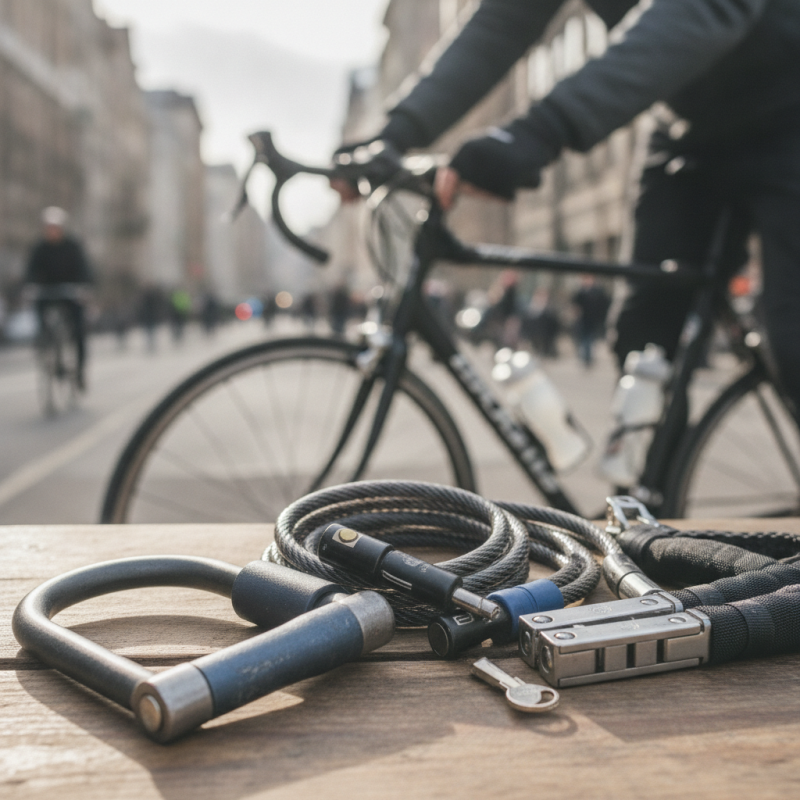
Understanding the Importance of Choosing the Right Bike Lock
Choosing the right bike lock is crucial for any cyclist. The Global Bicycle Lock Market was valued at about $430 million in 2022, reflecting a significant demand for reliable security solutions. Cyclists face a constant threat of bike theft, making it essential to invest in a quality lock. Research shows that nearly 1.5 million bicycles are stolen annually in the U.S. alone, often leaving owners devastated.
When selecting a lock, consider material and design. U-locks made of hardened steel are often recommended for their durability. However, even the best locks can be vulnerable to specific tools or techniques. According to a report from the National Bike Registry, over 60% of stolen bicycles were locked with inexpensive models. Some cyclists may perceive their lock as sufficient when, in reality, it might not deter a determined thief. It is vital to assess the lock's features critically and ensure it meets your local security needs.
Many tend to overlook the importance of proper lock usage. A well-placed lock can significantly reduce the risk of theft. Still, improperly locked bikes are prime targets for thieves. Detailed studies suggest that about 80% of stolen bikes were not adequately secured. Taking a moment to reflect on your lock's effectiveness can make a substantial difference in protecting your ride.
Types of Bike Locks: A Comprehensive Overview
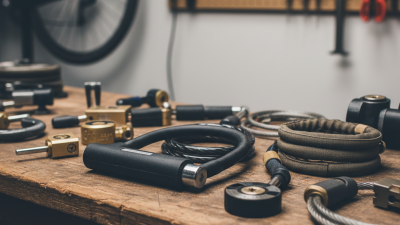
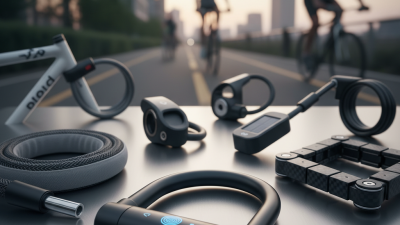
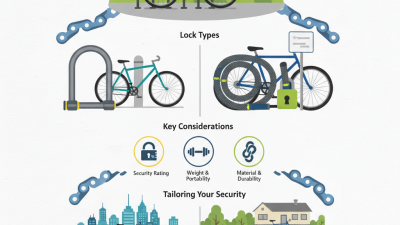
When considering bike security, understanding the various types of bike locks is essential. Each lock type offers unique advantages. Common options include U-locks, chains, and folding locks. U-locks are known for their strong resistance to cutting. They are often made from hardened steel, making them hard to break. However, their size can limit where you can lock your bike.
Chain locks provide flexibility in securing your bike to different objects. They can vary in thickness, strength, and weight. A thicker chain typically offers better security, but it is also heavier to carry. Folding locks combine portability and security. They can be easily stored in a bag when not in use, making them convenient. However, not all folding locks are equally secure.
While it's crucial to choose a reliable bike lock, it's equally important to be aware of your surroundings. The lock you choose should fit your biking environment. For example, in urban areas, where theft is more prevalent, investing in a robust China Bike Lock Bike Lock may be wise. Reflecting on previous experiences can help inform your choice. Analyze your biking habits to find the best type of lock for your needs.
Top Security Features to Look for in Bike Locks
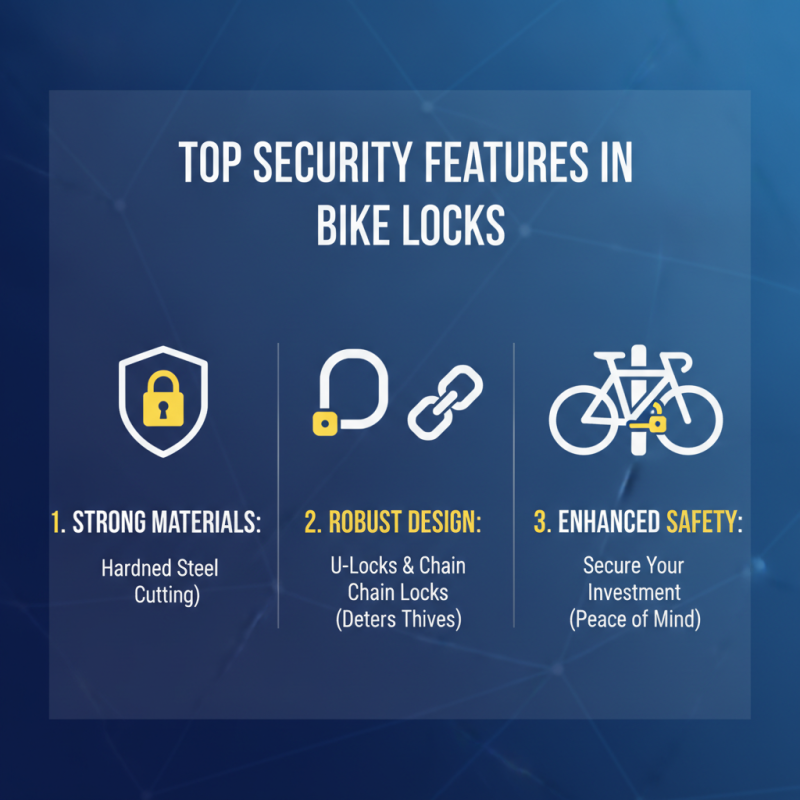
When looking for a reliable bike lock, focus on security features that enhance safety. Strong materials are crucial. Look for locks made from hardened steel. This offers resistance against cutting tools. Securing your bike should never be a gamble. Consider the design. U-locks and chain locks provide different levels of security. A sturdy U-lock may deter opportunistic thieves more effectively.
Keyless locking mechanisms are gaining popularity. Convenience is essential, especially for daily use. Some locks feature combinations or smartphone access. However, the reliability of these systems can be a concern. Battery-powered locks need maintenance. You might miss a bike ride if the lock fails unexpectedly. It's wise to balance convenience with security.
Consider the dimensions. A lock too short may fit only certain racks and frames. Ensure that your lock can accommodate various locking points. This flexibility allows for safer choices in urban environments. Remember, investing in an OEM Bike Lock Bike Lock with solid features can save you future heartache. Understanding these details helps you choose wisely. Ultimately, the right lock protects your bike and provides peace of mind.
Comparing Popular Bike Lock Brands in the Global Market
When choosing a bike lock, it's important to understand the features of popular brands in the global market. Different locks offer various levels of security, weight, and portability. For example, U-locks are often seen as the most robust option. They resist cutting and leverage attacks well. Chain locks are flexible but can be heavy. Folding locks combine both aspects but may not deter serious thieves. Each option comes with its own set of pros and cons.
**Tips:** Always check the lock's security rating. Look for locks that are tested by independent organizations. Security ratings provide insight into how well a lock can protect your bike. It's wise to think about the environment where you bike. Higher crime areas often require stronger locks. Consider using multiple locks for added protection. Combining different types can deter thieves effectively.
Over time, some brands have gained reputations in the biking community. However, keep in mind that not all popular choices ensure maximum security. Original designs may wear down, affecting their reliability. Take time to research and read user reviews. They can provide real-world insights that technical specs may overlook. Reflect on your bike locking habits, as they play a crucial role in overall safety.
Best Bike Locks for Secure Biking on Global Market?
| Lock Type | Security Rating | Weight (kg) | Price (USD) | Durability |
| U-Lock | 9/10 | 1.2 | 50 | High |
| Chain Lock | 7/10 | 2.5 | 35 | Medium |
| Folding Lock | 8/10 | 1.0 | 55 | High |
| CABLE LOCK | 4/10 | 0.5 | 15 | Low |
| Smart Lock | 9/10 | 1.3 | 80 | High |
User Reviews: Real-life Experiences with Bike Locks
When it comes to bike locks, user experiences reveal a lot about their effectiveness. Many cyclists report that some locks are easier to use than others. For instance, a lightweight lock might be convenient, but it often lacks the strength needed for ultimate security. Real-life stories show that a poorly designed lock can leave a bike vulnerable, leading to regret and loss.
Another important aspect is visibility. Some users have mentioned that a bright-colored lock tends to deter thieves. They feel safer knowing their bike is less likely to be targeted. However, not everyone finds this approach effective. Some cyclists have expressed disappointment when even high-security locks can be defeated with the right tools. This raises a crucial point: not all locks are foolproof.
Ultimately, the real-world applicability of bike locks varies widely. Every cyclist's experience shapes their opinion on what works best. Thanks to community reviews, potential buyers can learn about weaknesses or strengths they may not have considered. This shared knowledge is invaluable for making informed decisions.
Price Range: Affordable vs. Premium Bike Lock Options
When choosing a bike lock, the price is a major consideration. Affordable options often offer basic security features, suitable for short-term parking or less valuable bikes. These locks can be lightweight and easy to carry, but may lack robust protection against theft. If you often park in high-risk areas, investing in a more secure option is wise.
Premium bike locks typically feature advanced materials and designs. They offer enhanced protection against cutting and picking. A good example is the Custom Bike Lock Bike Lock, designed with unique mechanisms. While these locks may cost more upfront, they provide peace of mind for serious cyclists. This investment is crucial in urban areas with high theft rates.
The price range between affordable and premium varies significantly. Some affordable locks may sell for under $30, while premium options can exceed $100. It's essential to assess your biking habits and parking locations when choosing. Reflecting on your needs can lead to a more informed decision, ensuring you prioritize safety without overspending.
Maintenance Tips for Extending the Life of Your Bike Lock
Maintaining your bike lock is essential for ensuring its longevity and effectiveness. Regularly inspecting your lock for wear and tear can save you costly replacements. According to industry reports, more than 50% of bike thefts occur due to the use of inadequate locks. Understanding different locking mechanisms helps in choosing the right one. For instance, U-locks generally offer better security than cable locks.
Routine maintenance is key. Keep the locking mechanism clean and lubricated. A light application of graphite or silicone-based lubricant can enhance functionality. Remember, moisture can lead to rust and decreased performance. For this reason, avoid exposing your lock to wet conditions when possible.
Consider how you store your lock. Storing it properly can reduce unnecessary wear. Avoid hanging your lock loosely on the bike when not in use; it can easily get scratched or damaged. Instead, place it in a designated holder or bag. Investing in a Wholesale Bike Lock Bike Lock ensures you have a reliable option that lasts. A little attention now can prevent bigger issues later.
Best Bike Locks for Secure Biking on Global Market
This chart displays the security ratings of various types of bike locks available in the global market. U-locks offer the highest level of security, while cable locks provide the least. Understanding these ratings can help bikers choose the right lock for their needs.
FAQS
: The main types include U-locks, chain locks, and folding locks. Each type has its pros and cons.
Check the lock's security rating. Independent tests offer valuable insights into its effectiveness against theft.
Yes, using different types of locks can deter thieves. Combining them increases overall security for your bike.
Think about the crime rate in your area. Your biking habits also influence the best choice for security.
Regular inspection and lubrication can extend your lock's lifespan. Neglect can lead to rust and poor performance.
No, not all popular options guarantee high security. Research user reviews for real-world effectiveness insights.
Some users believe bright colors deter thieves. However, this method may not work for everyone.
A poorly maintained lock may become less secure, increasing the risk of theft. Regular care is essential.
Store your lock properly to avoid damage. A designated holder or bag is ideal.
Often, yes. While convenient, lightweight locks may lack the strength for maximum security in high-risk areas.
Conclusion
Choosing the right bike lock is crucial for ensuring the security of your bike. The article explores various types of bike locks, including U-locks, chain locks, and folding locks, providing a comprehensive overview of their features and security levels. Key security features to consider when selecting a bike lock include the material durability, locking mechanism, and portability.
User reviews offer real-life experiences that further aid potential buyers in understanding how different locks perform in various situations. The piece also discusses price ranges, highlighting affordable versus premium options to cater to different budgets. Additionally, maintenance tips are provided to extend the lifespan of your bike lock, ensuring that you keep your bike secure for many rides to come. Whether you’re a casual rider or a cycling enthusiast, investing in a reliable bike lock is essential for safeguarding your bike.