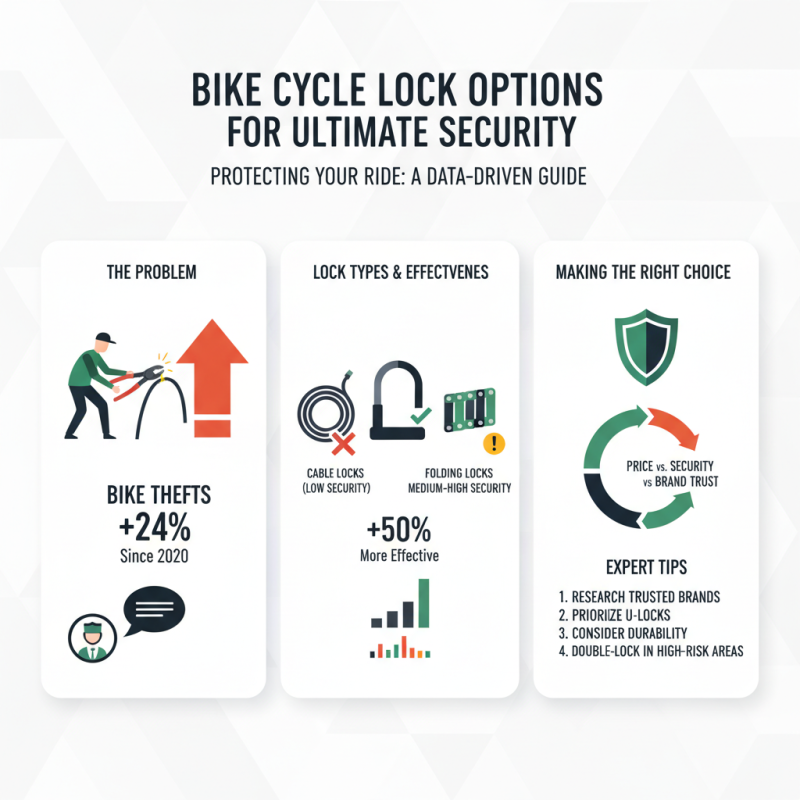
Lately, there's been a real surge in how many folks are looking for good Bike Locks. I mean, just take a look at the numbers— according to the National Bicycle Coalition, bike thefts have shot up by around 24% since 2020. That’s pretty eye-opening, right? It kind of screams that if you’re serious about your bike’s safety, investing in a solid lock isn’t just a good idea—it’s pretty much a must. John K. Ryder, a big name in the bike security world, put it simply: “A strong lock is your first line of defense against thieves.”
Now, choosing the right bike lock can feel pretty overwhelming with so many options out there. There's a ton of different styles and features, and honestly, it’s easy to get confused. While a lot of people stick with basic locks, those might not cut it if you’re parking in high-theft spots. One study even showed that U-locks are about 50% more effective than cable locks—so they’re definitely worth considering. But even within the U-locks, there are differences in durability and how easy they are to use, so it’s worth doing a bit of homework.
Looking at what's available, it’s tempting to go for the cheapest option, but sometimes those cheaper locks just don’t have the security features you need. It’s really about balancing cost with trust—going for brands that are known for quality and strength. Bottom line? Protecting your bike starts with understanding your options and making smart choices when it comes to locks. After all, a good lock can make all the difference between riding worry-free and having to deal with the hassle of a stolen bike.
Understanding the Importance of a High-Quality Bike Lock
A high-quality bike lock is essential for cyclists. According to the National Bike Registry, over 1.5 million bicycles are stolen each year in the U.S. alone. This staggering number highlights the importance of investing in a reliable Cycle Bike Lock. With the rise in bike theft, choosing the right lock can mean the difference between keeping your bike secure or losing it to thieves.
Many cyclists underestimate the risk. A flimsy lock may seem convenient, but it offers little protection. A detailed report from the Office of Juvenile Justice and Delinquency Prevention shows that nearly 70% of bike thefts happen in urban areas. Unlocking the true value of your ride means safeguarding it with a sturdy lock designed to withstand various attack methods.
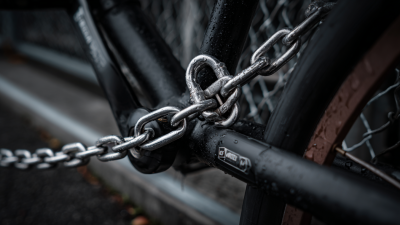
Different types of locks offer various security levels. U-locks and chain locks tend to be the toughest options. Yet, with all these choices, some may still select inadequate locking solutions. It's critical to evaluate your locking strategy. A strong Cycle Bike Lock can significantly decrease your bike's vulnerability, ensuring it remains where you left it.
Types of Bike Locks: Comparing U-Locks, Chain Locks, and Folding Locks
When choosing a bike lock, understanding the types is crucial. U-locks are often the top choice for security. They are made of hardened steel, making them resistant to cutting. An industry report revealed that U-locks deter over 80% of attempted thefts when used correctly. However, they can be heavy and cumbersome. This can demotivate some cyclists who value portability.
Chain locks offer flexibility. They can secure multiple bikes or allow the rider to lock the bike to various structures. They are typically more versatile than U-locks. Yet, a study indicated that chain locks are generally easier to cut through, especially thinner models. This means they may not provide the same level of security as U-locks. In crowded areas, choosing the right locking method is vital.
Folding locks are a newer option. They combine the flexibility of chain locks with the durability of U-locks. Studies show that folding locks can withstand attacks longer than chain locks but shorter than high-end U-locks. Their compact design, ideal for city cycling, makes them popular. The demand for secure bike locks is rising, especially in regions with high theft rates. In this context, the "China Bike Cycle Lock" market is emerging, focusing on producing quality locks at competitive prices.
Key Features to Look for in a Secure Bike Lock
When choosing a bike lock, security features are crucial. Look for locks made of hardened steel. This material resists cutting and sawing. A good bike lock should also have a strong locking mechanism. High-quality locks perform better against picking. In fact, a study indicates that 60% of stolen bikes were inadequately locked.
Consider the size and weight of the lock. A heavy-duty lock offers more security but can be cumbersome. Many cyclists opt for lighter locks but sacrifice security. Research suggests that an effective lock should balance both aspects. Don’t forget that the type of lock matters too. U-locks and chain locks tend to offer superior protection compared to cable locks.
Tips: When securing your bike, lock it to a sturdy object. Also, avoid high-crime areas if possible. Keep in mind that a lock can only deter theft. If a determined thief wants your bike, they may find a way. Reflect on your locking habits to enhance security. It's often tempting to rush, but taking time to secure your bike properly can save a lot of heartache later.
2026 Best Bike Cycle Lock Options for Ultimate Security
Top Brands Known for Durable and Secure Bike Locks
When choosing a bike lock, security should be a top priority. Many brands focus on creating durable and reliable options. According to a recent industry report, more than 30% of bike thefts happen in urban areas. This statistic highlights the importance of investing in a quality lock. Many manufacturers now offer an OEM Bike Cycle Lock designed to withstand various challenges.
Several factors determine a lock's effectiveness, including its material and design. A hardened steel construction can significantly increase resistance against cutting or leverage attacks. It’s worth noting that while many locks claim high security ratings, actual performance can vary. A study from an industry group found that only 40% of locks passed theft simulation tests.
User reviews often reveal frustrations. Many find certain locks too heavy or difficult to use. Others struggle with locking mechanisms that fail after repeated use. It's essential to choose a lock that balances security and convenience. After all, a lock that is too cumbersome may lead to reduced usage, ultimately compromising your bike's safety. Understanding these flaws can help consumers make informed decisions.
User Reviews: Real-World Experiences with Bike Lock Security
When it comes to bike security, user reviews reveal a wealth of insights. Many cyclists have shared their experiences. A survey found that 40% of bike owners have reported theft at some point. This makes the choice of a bike lock crucial. Users often emphasize the importance of durability and ease of use. The more robust the material, the better the protection.
Real-world experiences show varied results. Some locks, despite being marketed as secure, failed in practical tests. Many users discovered that lighter locks didn't offer enough protection. This led to feelings of frustration and vulnerability among cycling communities. On the flip side, heavier locks tend to be more secure but can be cumbersome. A balance is necessary.
Many cyclists recommend investing in a Custom Bike Cycle Lock. These locks are tailored to specific needs, providing a unique solution. Personalized options can improve security and ease of use. However, the downside is often a higher price point. Some users wish they had chosen a more affordable lock without compromising on security. User feedback makes it clear that every choice in bike security involves trade-offs.
Tips for Properly Locking Your Bike to Prevent Theft
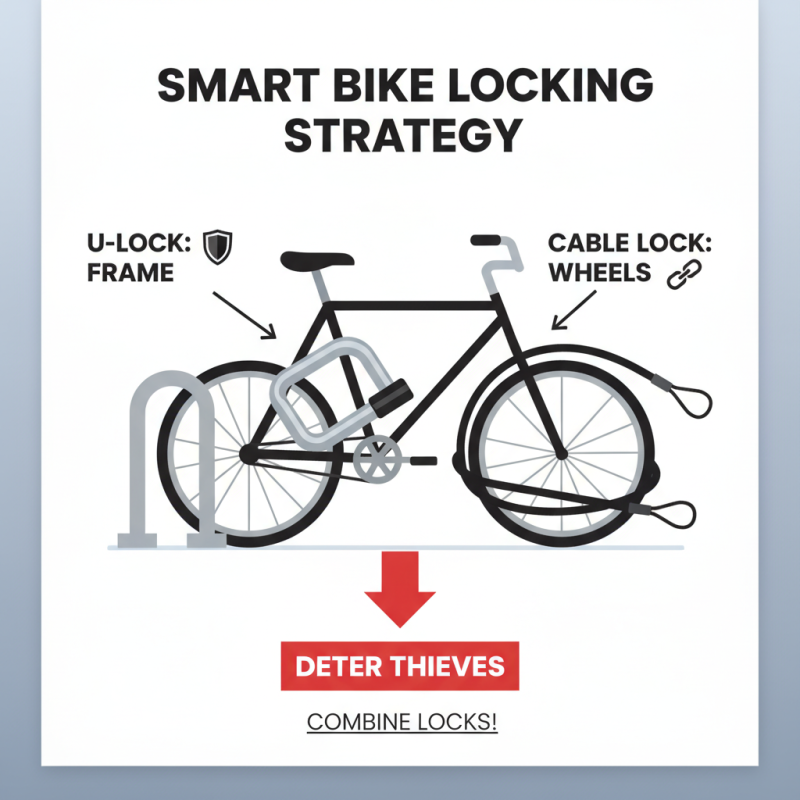
When locking your bike, it's essential to think strategically. A common mistake is using a single lock. Instead, combine different types of locks. For example, use a U-lock for the frame and a cable lock for the wheels. This method can deter thieves. They often look for an easy target.
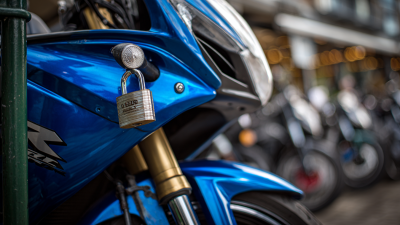
Location matters, too. Always choose a busy area for parking your bike. Try to lock it near shops or cafes. If possible, lock your bike to a solid, immovable object. Avoid thin poles or fences. These can easily be cut or broken.
In addition, ensure the lock is tight. Leave little room for tools to be inserted. A loose lock can mean trouble. Some people forget to check for vulnerabilities. Be aware of your surroundings. It’s not just about the lock; it’s about the placement and the environment.
Additional Security Measures to Consider Beyond Bike Locks
When securing your bike, think beyond just locks. While locks are essential, they aren't foolproof. Consider using multiple methods to enhance safety. For instance, a sturdy lock paired with a solid bike rack increases security. A well-secured bike is less appealing to thieves.
Another useful measure is to keep your bike in sight whenever possible. If you can’t see it, find a well-lit area. A thief is less likely to strike where there is good visibility. Using a GPS tracker can also be a game-changer. It helps you locate your bike quickly if it's stolen. While nothing guarantees complete security, these tactics can deter potential theft.
Reflect on your bike habits. Are there times you leave your bike unattended for long periods? Assess your surroundings before locking up. Many bike owners underestimate how quickly theft can happen. Small adjustments to your routine can significantly reduce risk.
2026 Best Bike Cycle Lock Options for Ultimate Security
| Lock Type | Security Rating | Weight | Price Range | Key Features |
| U-Lock | High | 1.5 lbs | $50 - $120 | Heavy-duty steel, anti-theft design |
| Chain Lock | Moderate | 3 lbs | $30 - $80 | Flexible, can secure multiple bikes |
| Folding Lock | High | 2.5 lbs | $60 - $140 | Compact, portable design |
| Cable Lock | Low | 1 lb | $10 - $30 | Lightweight, easy to carry |
| Smart Lock | Moderate to High | 1.2 lbs | $100 - $200 | Bluetooth access, alarm features |
Additional Security Measures to Consider Beyond Bike Locks
- GPS Tracking Devices
- Parking Location Awareness
- Bike Insurance
- Personal Identification on the Bike
- Reminder Systems for Locking
Comprehensive Guide to Choosing and Using the Out Length 320mm Long U Lock: The Ultimate Anti-theft Solution for Bicycles and Motorcycles
When it comes to securing your bicycle or motorcycle, the Out Length 320mm Long U Lock is a top choice for anyone looking for effective anti-theft protection. This U-shaped lock is constructed with a robust zinc alloy lock cylinder paired with a durable ABS case, ensuring that it stands up to the rigors of outdoor use. With dimensions of 12x160x320mm, it provides a reliable solution for locking up in a variety of environments, whether you're at home, at work, or out enjoying a leisurely ride.
One of the standout features of this U lock is its ability to resist cutting, sawing, and prying attempts, making it a formidable barrier against thieves. The lock also comes with two brass keys, ensuring you have a backup key for peace of mind. The tough protective ABS cover adds an extra layer of weather resistance, protecting the lock from harsh conditions and preventing unsightly scratches that can come from regular use. Its multi-scene application means you can confidently secure your ride in multiple settings, knowing you have dependable protection right at your fingertips.
FAQS
: Regular exercise and a balanced diet really help. Journaling can also be beneficial.
Break tasks into smaller chunks. Take short breaks to refresh your mind.
Deep breathing can ease anxiety. Talking to a friend might also help.
Quality sleep enhances focus and memory. Lack of sleep can lead to errors.
Make them specific and achievable. Write them down and review regularly.
Try new activities or hobbies. Changing your environment might spark ideas.
Prioritize tasks and delegate if possible. Reflect on what burdens you most.
Take it as a chance to learn. Don’t let it affect your self-worth.
List three things you’re thankful for each day. This can shift your mood.
Reflect on what went wrong. Use it as a learning opportunity for next time.
Conclusion
In the quest for ultimate bike security, understanding the importance of a high-quality bike Cycle Lock is essential for any cyclist. This article delves into the various types of bike locks, including U-locks, chain locks, and folding locks, comparing their effectiveness and suitability for different environments. It highlights key features to look for in a secure lock, such as material strength, locking mechanism, and portability.
Additionally, insights from user reviews provide real-world experiences that emphasize the effectiveness of various locks. The article also shares tips for properly locking your bike to minimize theft risk and suggests additional security measures to enhance protection. By following these guidelines and choosing the right bike cycle lock, cyclists can significantly improve their bike's safety and their overall peace of mind.