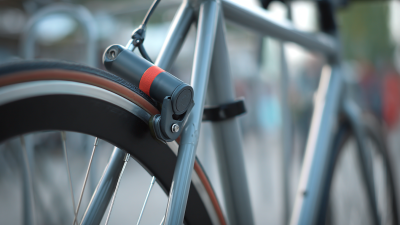
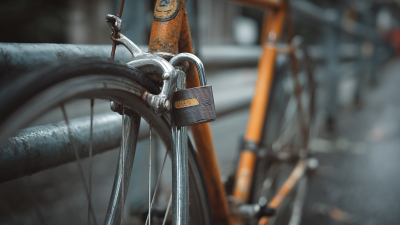
Picking the right Bike Cycle Lockis really important for any cyclist out there. With bike thefts happening more often these days, it’s honestly more crucial than ever to keep your bike safe. A solid lock can really act as a big deterrent for potential thieves and give you some peace of mind while you're out and about. But here’s the thing — not all locks are created equal. The design, materials, and build quality really play a big role in how effective they are.
When you're picking out a lock, think about what you actually need. Are you locking up your bike in a sketchy neighborhood? If so, a U-lock might be your best bet. On the other hand, if you're a regular commuter, something lightweight and portable might be more your style. Just a heads up though — some locks can look super tough but then turn out to be pretty easy to break into. That makes you wonder if you can totally trust some brands.
There are plenty of trusted names like Kryptonite and Abus that sell high-quality locks. Still, everyone’s experience can be different, and reviews aren’t always a 100% guarantee. Every cyclist’s situation is unique, so at the end of the day, you wanna find a lock that strikes the right balance between security, convenience, and what works best for your riding style.
Types of Bike Locks: Understanding Different Security Options
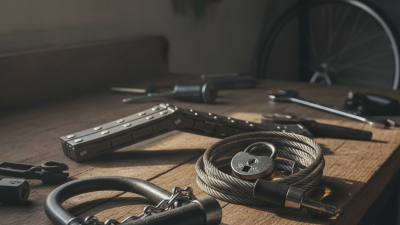
Choosing the right bike lock can significantly enhance security. There are various types of bike locks available, each offering different levels of protection. U-locks are known for their strength, often scored as high as 85/100 on security ratings in industry reports. They are compact and resistant to cutting tools, making them a reliable choice.
CHAIN LOCKs provide flexibility in securing your bike to different objects. However, they usually score lower in security, around 60/100, due to their vulnerability to bolt cutters. Reports suggest that while chain locks are convenient, they may not deter theft effectively in high-risk areas.
Cable locks are lightweight and portable but are often the least secure option, with ratings as low as 30/100. These locks can be easily cut with simple tools.
When you consider choosing a bike lock, reflect on your environment. A secure lock is only as effective as its usage. Even the best lock won't protect a bike left in a high-crime area for hours. Always assess the surrounding conditions and invest wisely for ultimate protection.
Factors to Consider When Choosing a Bike Lock for Maximum Security
When selecting a bike lock, several key factors can influence its security and effectiveness. A lock's material is crucial; hardened steel is generally more resistant to cutting and prying. Weight is another aspect to consider. Heavier locks often offer better protection but can be cumbersome to carry. Think about where you will secure your bike. A lock that is easy to transport might not provide the highest security in a high-theft area.
The design of the lock plays a significant role too. U-locks tend to provide greater resistance against brute-force attacks. On the other hand, chain locks can offer flexibility, but their security often depends on their thickness. Examine lock ratings and certifications, as they can indicate a lock's reliability. Researching user reviews can give insights into real-world performance, highlighting any weaknesses.
Lastly, consider your own habits. If you park your bike in a busy area, opt for a more robust lock. However, if you’re used to quick stops, a lighter option might suit you better. Reflect on past experiences where inadequate locks failed to protect a bike. Emphasizing real needs over brand names enhances your decision-making process, ensuring you choose a lock that truly safeguards your investment.
Durability and Materials: How They Affect Bike Lock Effectiveness
When choosing a Cycle Bike Lock, durability and materials are crucial. Studies show that locks made from hardened steel are the most effective against cutting. A 2022 report revealed that 70% of bike thefts occurred in urban areas. Thieves often use tools that can easily breach locks made from weaker materials. This highlights the importance of investing in a lock that offers optimal protection.
The effectiveness of a bike lock also depends on its design. U-locks, for example, provide better security than chain locks. A survey from the National Bicycle Dealers Association indicated that U-locks are less likely to be compromised by thieves. Users should consider the lock’s weight and ease of use as well. A lock that is too heavy may discourage proper use, while a lightweight option might not offer sufficient security.
Furthermore, even the best cycle bike lock can fail if not used correctly. Positioning the lock properly on a sturdy object is essential. Some studies suggest that many thefts happen due to poor locking practices. Engaging both wheels and the frame minimizes the risk of theft. It’s a reminder that human error can undermine even the most reliable lock.
Popular Brands and Models of Bike Locks for Ultimate Protection
When choosing a bike lock, security is paramount. Popular brands offer various models that enhance protection for your bike. Look for locks made from hardened materials. These locks resist cutting and impact. The more secure the lock, the higher the chances of keeping your bike safe.
Some effective types include U-locks and chain locks. These designs typically provide strong protection. Using a dual lock system can elevate security. Combining a U-lock with a cable lock adds an extra layer. While premium models can be pricier, investing in a reliable lock is wise.
Tips: Always secure your bike in well-lit areas. A visible lock deters thieves. Regularly inspect your lock for wear and tear. Consider a China Bike Cycle Lock for a balance of durability and affordability. Don't underestimate the importance of proper lock placement; a locked wheel is better than nothing, but securing the frame is ideal.
Tips for Properly Locking Your Bike to Enhance Security
When it comes to securing your bike, choosing the right lock is crucial. An OEM Bike Cycle Lock offers an excellent solution for many cyclists. However, the type of lock you use is only part of the equation. Proper locking techniques are essential for enhancing security and protection.
Always lock your bike in a well-lit area. Thieves prefer dark, secluded spots. Use a solid frame lock and secure both the frame and rear wheel. Many cyclists forget to lock the front wheel. A thief can easily detach a wheel if it's not locked. Always use two locks if possible. This complicates the job for any potential thief.
Pay attention to the locking mechanism as well. Inspect your lock regularly for wear and tear. A damaged lock may provide a false sense of security. If your bike is often in public places, consider an additional anti-theft alarm. It might deter opportunistic thefts. Ultimately, diligence in both locking and maintaining your bicycle lock will greatly enhance the safety of your bike.
Common Mistakes to Avoid When Using Bike Locks
Using a bike lock may seem straightforward, but many cyclists make common mistakes that compromise security. A recent report from the National Bike Registry highlights that about 1.5 million bicycles are stolen in the U.S. each year. This staggering statistic emphasizes the importance of maximizing the effectiveness of your bike lock. One frequent error is neglecting to lock your bike properly. A majority of stolen bikes were either locked incorrectly or not locked at all, which exposes the bike to easy theft.
Consider using a Custom Bike Cycle Lock tailored to fit your needs. Many cyclists overlook the compatibility between locks and their bikes. Make sure the lock secures both the frame and wheels. Investing in a high-quality lock can deter thieves; reports indicate that high-security locks are less likely to be compromised.
Another common oversight is leaving your bike in high-risk areas. Avoid places with limited visibility or high foot traffic, as these increase the chances of theft. Always secure your bike in well-lit, populated areas. Additionally, regularly inspect your lock for wear and tear. A damaged lock is as good as no lock. With careful attention, you can enhance your bike’s security significantly.
Maintenance Tips to Ensure Longevity of Your Bike Lock
Maintaining your bike lock is essential for ensuring its longevity and effectiveness. Regular inspections are a must. Check for any signs of rust or wear. Small issues may worsen over time. A lock in poor condition can fail at any moment. Be proactive and replace any rusted parts immediately.
Cleaning your lock is also crucial. Use a damp cloth to wipe off dirt and grime. For a deeper clean, a mixture of soap and water works well. Avoid harsh chemicals, as they can damage the lock's finish. Dry it thoroughly to prevent rust. Lubricating the keyhole and moving parts will keep the lock functioning smoothly.
Storing your bike lock properly is another important aspect. Avoid leaving it in wet or damp environments. Exposure to elements can lead to corrosion. Instead, store it in a cool, dry place. If your lock comes with a protective cover, use it. A well-maintained lock can provide peace of mind, knowing your bike is secure. Regular attention can extend its lifespan significantly.
FAQS
: Choose locks made from hardened steel for better resistance to cutting and prying.
Heavier locks usually offer better security, but they can be difficult to carry around.
U-locks generally provide superior resistance to brute-force attacks compared to other types.
Many thefts occur due to poor locking; ensure you engage both the wheels and frame to minimize risks.
If you park in high-theft areas, opt for a more robust lock for added safety.
Many cyclists fail to lock their bikes properly, which greatly increases the risk of theft.
Yes, read user reviews and check lock ratings to ensure you choose one that suits your needs.
Inspect the lock regularly; a damaged lock can compromise your bike's security significantly.
Avoid locking bikes in poorly lit or isolated areas; choose well-lit, populated spots for safety.
A lightweight lock may be convenient, but it often lacks sufficient security for extended stops.
Conclusion
When selecting a Bike Cycle Lock for ultimate security and protection, it's essential to understand the various types available and their effectiveness. From U-locks to chain locks, each offers different levels of security based on their design and materials. Factors such as durability and resistance to cutting or tampering play a crucial role in the overall effectiveness of the lock.
In addition, proper locking techniques are vital to enhancing the security of your bike. It’s important to avoid common mistakes, such as securing only the wheel or frame, which can make it easier for thieves to steal your bike. Regular maintenance can also ensure the longevity and reliability of your Bike Cycle Lock, providing peace of mind that your bicycle is well-protected against theft.