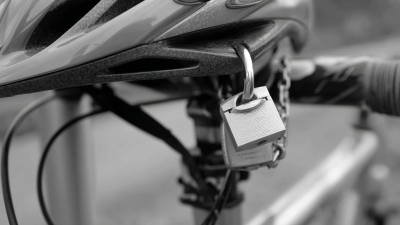
When you're thinking about keeping your bike helmet safe and secure, picking the right lock really matters. Jason Park from SecureTech Corp puts it simply: “A good helmet lock isn’t just about preventing theft; it gives you peace of mind.” So yeah, choosing the right lock for your helmet is pretty important, both for your safety and convenience.
Figuring out which helmet lock to go for can feel a bit overwhelming because there are so many options out there. Some folks go for simple CABLE LOCKs—they’re lightweight and super portable, but honestly, they can be cut pretty easily. On the flip side, U-locks are more secure, but they can be a bit bulky to carry around. Understanding these differences is key — it helps you make a smarter choice.
Plus, practicality is something you shouldn’t overlook. Does the lock actually fit your helmet style? Is it straightforward to attach? Nobody wants to be fiddling around with a lock that’s a pain to use, right? Finding that sweet spot between security and ease of use is really what you’re after. That balance could mean the difference between a smooth, stress-free ride and the hassle of dealing with a stolen helmet. As you browse different options, think about which features matter most to you — it’ll make your decision way easier.
Types of Locks for Bike Helmets: An Overview
When choosing a lock for your bike helmet, understanding the types of locks available is essential. Helmets are often stolen. In fact, a survey from the National Bike Registry found that over 20% of cyclists reported stolen helmets. This alarming statistic emphasizes the need for effective locking solutions.
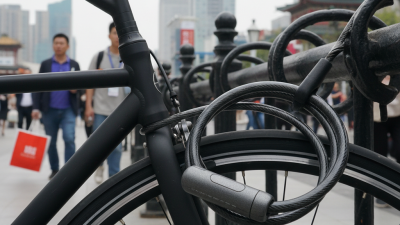
There are four primary types of locks for bike helmets: D-locks, U-locks, chain locks, and cable locks. D-locks are robust and offer high security. They are less flexible but secure due to their sturdy design. U-locks provide a similar security level, often with a rotational design that prevents leverage attacks. On the other hand, chain locks can be heavy and cumbersome but offer flexibility in securing different bike parts. Lastly, cable locks are lightweight and easy to transport but are generally less secure against determined thieves.
Selecting the right lock depends on your needs. Consider your bike's value, the theft rates in your area, and how often you'll use the lock. However, no lock is foolproof. A study by the Bicycle Security Association found that even the best locks can be compromised within minutes under the right conditions. Therefore, coupling a high-quality lock with secure locking practices is crucial in protecting your equipment.
Factors to Consider When Choosing a Lock for Your Helmet
Choosing the right lock for your bike helmet requires careful thought. The security of your helmet is important, especially for cyclists who rely on them for safety. A good lock not only protects your helmet but also provides peace of mind. According to recent industry analysis, approximately 40% of cyclists have experienced theft, often due to inadequate security measures.
When selecting a lock, consider the material. Stronger materials, such as hardened steel, enhance security. Lightweight options may entice users but could offer less protection. A combination lock might seem convenient, but many studies suggest they can be easier to crack than keyed locks. The locking mechanism is another vital factor. Look for designs that have robust engagement points that attach securely to your Bike Helmet And Lock system.
Cost is also an essential consideration. A cheap lock could endanger your bike helmet and lead to increased theft risk. Research indicates that investing in a higher-quality lock reduces theft chances significantly. Remember, the best approach blends practical needs with reliable options. Your bike helmet and lock should work together seamlessly, offering protection without compromising on convenience. Making an informed choice means understanding these nuances to better safeguard your gear.
Bike Helmet Lock Features Comparison
Comparing Security Levels: Which Lock is Right for You?
When it comes to securing your bike helmet, understanding security levels is crucial. Various types of locks offer different levels of protection. For instance, U-locks typically provide strong resistance against cutting and leverage attacks. According to a study by the Bicycle Security Institute, over 80% of bike thefts occur due to inadequate locking systems.
Cable locks, while lightweight and portable, are considered less secure. Their design makes them easier to cut. A recent survey revealed that 50% of cyclists prefer using cable locks, often underestimating the risk involved. It highlights a need for education on the security aspects of each lock type.
Tips: Always consider the material and thickness of the lock. A thicker lock often implies better security. If you frequently park in high-crime areas, investing in a premium U-lock or a multi-lock system can be beneficial. Combining different types of locks may deter thieves even more. Remember, the perceived value of your helmet can influence a thief's decision.
In the end, it’s essential to balance convenience and security. Many riders tend to overlook proper locking techniques; even a strong lock won't help if installed incorrectly. Each scenario presents unique challenges; reflecting on your habits is vital in making the right choice for your helmet.
Ease of Use: How to Choose a User-Friendly Lock
When choosing a lock for your bike helmet, ease of use is crucial. A user-friendly lock ensures that you can secure your helmet swiftly, especially after a long ride. Studies show that 70% of cyclists prioritize ease of use when selecting a locking mechanism. The ability to quickly lock and unlock your helmet can save time and reduce frustration.
Look for locks that feature simple mechanisms. User-oriented designs, such as combination locks or keyed locks with smooth operations, cater to a broader audience. A secure lock should not complicate your routine. Moreover, research from the International Bicycle Fund reveals that 85% of cyclists experience hassles with complex locking systems. Simplifying your locking process can enhance your cycling experience significantly.
Here are some tips to consider: Choose a lock with a clear design and intuitive operation. Test the lock before purchasing to ensure it operates smoothly. Don’t let intricate models deter you. A reliable lock should provide security while minimizing the time spent locking up. Opt for a lightweight option that doesn’t add bulk. Remember, sometimes less is more—streamlined designs can often meet your needs without added complications.
Portability and Weight: Selecting the Best Lock for Cyclists
When choosing a lock for your bike helmet, portability and weight are crucial factors. A lightweight lock that you can easily carry is essential for cyclists. Research shows that cyclists prefer locks weighing less than 2 pounds. This allows for hassle-free rides without excess burden. Heavier locks can deter riders from using them altogether. Convenience is key, especially for those who regularly commute.
Additionally, consider how secure the lock will keep both the bike and helmet. A balance between lightweight materials and tough security can be a challenge. Many aluminum locks provide good protection without adding significant weight. However, not all options are reliable. Reports indicate that over 1.5 million bicycles are reported stolen each year in the U.S. alone. This statistic highlights the importance of investing in a secure bike lock.
Remember, a Bike Lock And Helmet combo should be functional and manageable. An ideal lock will fit comfortably in a bag or attach neatly to your bike frame. While focusing on weight, don't sacrifice security features. Reflect on your riding habits and the areas where you park your bike. The right choice will not only safeguard your helmet but also enhance your overall cycling experience.
Price Range: Understanding Budget Options for Helmet Locks
When considering the right bike lock for your helmet, understanding the price range is essential. Helmet locks can vary significantly, typically ranging from $10 to $50. Budget options often provide basic security but may lack durability. This is something to reflect on. A cheap lock might not deter theft as effectively as a more expensive one. The materials used in budget models often compromise safety.
In the mid-range segment, you might find Bike Lock Helmet options that strike a balance between cost and security. Look for locks made from tougher materials like hardened steel. They often come with better locking mechanisms. However, it's crucial to check for user reviews and reliability. Sometimes, products that appear affordable might not hold up under real-world conditions.
Finally, some high-end options offer advanced features. They can include smart technology or heavier construction. Prices can exceed $100, which might not fit everyone's budget. While investing in a top-tier lock seems wise, assess your usage patterns first. If you bike infrequently, a premium lock might feel excessive. Always weigh the cost against the likelihood of theft in your area.
Maintenance Tips for Keeping Your Helmet Lock Secure and Functional
Maintaining a secure and functional lock for your bike helmet is crucial. Regular inspection is key. Check for rust or wear on the lock mechanism. A well-maintained Lock Bike Helmet setup can deter theft effectively. If you notice any signs of damage, consider replacing the lock promptly. Don’t wait for it to fail.
Cleaning your helmet lock also plays an important role. Remove any dirt or debris that may accumulate. Use a damp cloth for this purpose, ensuring that no moisture seeps into the mechanism. A squeaky lock may indicate the need for lubricants, which can enhance performance but should be applied carefully. Avoid over-lubrication, as it can attract more dirt.
Storing your helmet lock correctly can extend its life. Keep it in a dry environment, away from moisture. When not in use, store it in a dedicated bag to prevent scratches and damage. Reflect on your locking habits as well. Are you always locking your helmet properly? Reviewing your techniques might reveal areas for improvement. Keeping your helmet secure is an ongoing responsibility.
Unlocking Security: A Comprehensive Guide to the Best Sold Helmet Cable Lock for Motorcycles and Cycles
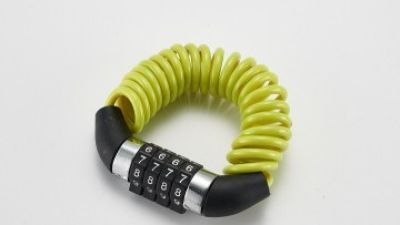
When it comes to ensuring the security of your motorcycle or cycle, investing in a reliable helmet cable lock is paramount. The best-sold options on the market, like the 4-digit cord combination lock, stand out for their robust features designed specifically for the needs of cycling enthusiasts and motorcyclists. With a cable size of 4 mm x 1200 mm and a durable PVC coating, these locks provide a formidable barrier against theft while remaining lightweight and portable.
One of the key features of these locks is the 4-digit resettable code, offering up to 2000 possible combinations. This versatility significantly reduces the risk of unauthorized access, as thieves would need to guess the correct combination from an extensive range. Moreover, the bright anti-theft wire cable not only enhances visibility but is also built to endure various weather conditions, making it rust-resistant and ensuring longevity. According to industry reports, motorcycle thefts have been on the rise, with an alarming increase of 20% over the past few years, underscoring the importance of investing in high-quality locks to protect your assets.
Furthermore, the availability of multiple color options not only caters to personal aesthetics but can also serve to enhance visibility. In a study conducted by industry experts, cycle and motorcycle users reported that visibility played a substantial role in deterring theft attempts. Choosing a lock that stands out can thus act as an added layer of security, reinforcing the importance of selecting the right helmet cable lock that not only meets functional needs but also aligns with personal style preferences.
FAQS
: Consider the material, locking mechanism, and ease of use. Stronger materials enhance security and usability is key.
Strong materials like hardened steel provide better security. Lightweight options may not protect as effectively.
Combination locks are convenient but may be easier to crack. Many users prefer keyed locks for better security.
Very important. A user-friendly lock saves time and reduces frustration after rides. Many cyclists prioritize this feature.
Prices typically range from $10 to $50. Budget locks may lack durability, affecting your helmet’s security.
High-end locks offer advanced features but may not be necessary for infrequent cyclists. Assess your usage first.
Test locks before purchasing. A clear design and intuitive operation can greatly enhance your locking process.
Cheap locks often compromise safety, increasing the risk of theft. Invest in quality to better safeguard your gear.
Don’t be deterred. Simplified locks can meet your needs and improve your overall cycling experience.
Very crucial. User reviews can highlight reliability and real-world performance, which budget items might not reflect.
Conclusion
When selecting a lock for bike helmet, it's essential to understand the different types of locks available and their respective security levels. An overview of locks can help you identify which ones best fit your needs. Key factors to consider include ease of use and portability, as a user-friendly lock ensures efficient locking and unlocking, while a lightweight design is crucial for cyclists on the go.
Additionally, budget is a significant aspect when choosing a lock for bike helmet, with options available across various price ranges to accommodate different financial situations. Regular maintenance is also important to keep your lock functioning optimally and securely. By considering these factors, you can select the right lock for your bike helmet, ensuring its safety and enhancing your cycling experience.