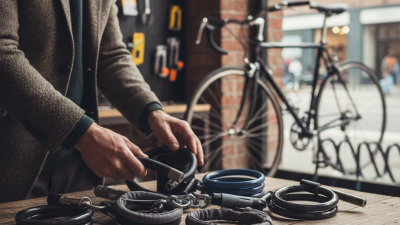
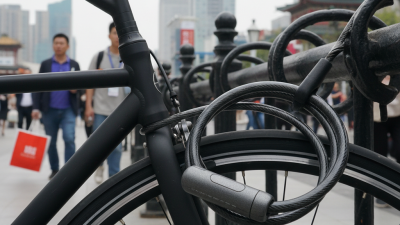
Picking out the best Bike Cycle Lockin 2026 isn’t about finding some kind of foolproof device—honestly, no lock can promise to be unbreakable. What really matters is making your bike harder and slower for someone to steal, while still keeping the lock easy enough to use day in and day out. For example, a heavy chain might be perfect if you’re parking your bike outside for hours, like a commuter heading to work. On the other hand, a small, compact U-lock might be enough if you’re making quick stops. And let’s not forget about fit—at a crowded rack, a lock that can’t really go around both the frame and the stand isn’t as useful as it looks in the online photos.
Sheldon Brown, a well-respected bike mechanic and writer, gave some really practical advice on bike security. The gist? Basically, he says: lock your bike’s frame to something that can’t be moved. Now, that’s a paraphrase, not a direct quote, but it hits the point home—no matter how strong a lock is, if you don’t use it right, your bike’s still vulnerable. When picking a lock, think about its security ratings, how it’s built, how much it weighs, and where you usually leave your bike. Feel the shackle—does it feel sturdy? Test the key mechanism—can you easily turn it, even with cold fingers or in bad weather? Little details like these really add up.
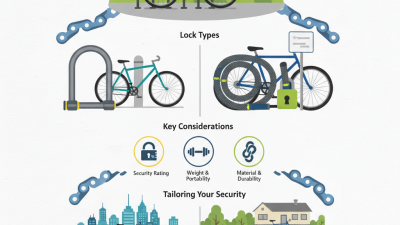
This guide breaks down common lock types, sharing what they’re good at and where they fall short in real life. Ratings are helpful, but they’re not a crystal ball—your routine and the bike rack you choose matter just as much. Yep, sometimes it’s a little inconvenient. But the best Bike Cycle Lock for you is the one that fits your bike, your risk level, and how you usually ride and park—plus, it’s the one you actually remember to lock up properly, every time.
What a Bicycle Lock Is and How It Protects a Bike
A bicycle lock is a physical barrier that slows someone trying to take a bike. It does not make theft impossible. A Cycle Bike Lock works best when it secures the bike’s frame to a fixed, sturdy rack. Locking only a wheel can leave the rest of the bike easy to carry away. Small details matter.
Different lock styles offer different balances of resistance, weight, and convenience. A rigid lock may be difficult to carry, while a lighter cable can be easier to handle but offer less resistance to cutting. Check the lock’s construction and fit, and consider how long the bike will be unattended. A lock cannot protect a bike left in an isolated spot all day. That is easy to overlook.
Tips: Pass the lock through the frame and, if possible, a wheel. Choose a rack that cannot be lifted or loosened easily. Keep the lock off the ground, where tools may gain leverage. Secure the bike in a visible, well-used area. Then check the connection before walking away. We all rush sometimes.
How Bicycle Lock Security Is Rated in 2026
What Is the Best Bike Cycle Lock in 2026?
How Bicycle Lock Security Is Rated in 2026
A lock’s rating is more useful than its appearance, but ratings are not universal. Sold Secure, operated by the Master Locksmiths Association, publishes four bicycle-security grades: Bronze, Silver, Gold, and Diamond. The ART Foundation uses a separate one-to-five-star scale. These systems assess resistance to attack, but their scores cannot be directly compared. A higher grade signals tougher testing, not guaranteed protection.
For a practical choice, check the exact rating and test scheme, then match the lock to where you park. A short stop beside a busy shop differs from leaving a bicycle overnight on a quiet street. A heavy lock may test well but stay at home if it is awkward to carry. That matters. Ratings also cannot account for every tool, attack method, or parking situation; security advice should be treated as guidance, not a promise.
Tips: Lock the frame and a wheel to a fixed rack. Keep the lock off the ground, where it is harder to brace against. Check that the rating applies to the complete lock, not just one component. A few seconds spent positioning it can help.
Which Types of Bike Locks Are Available
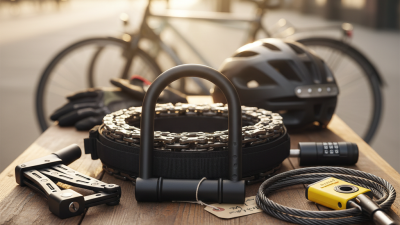
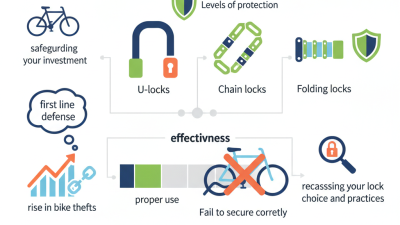
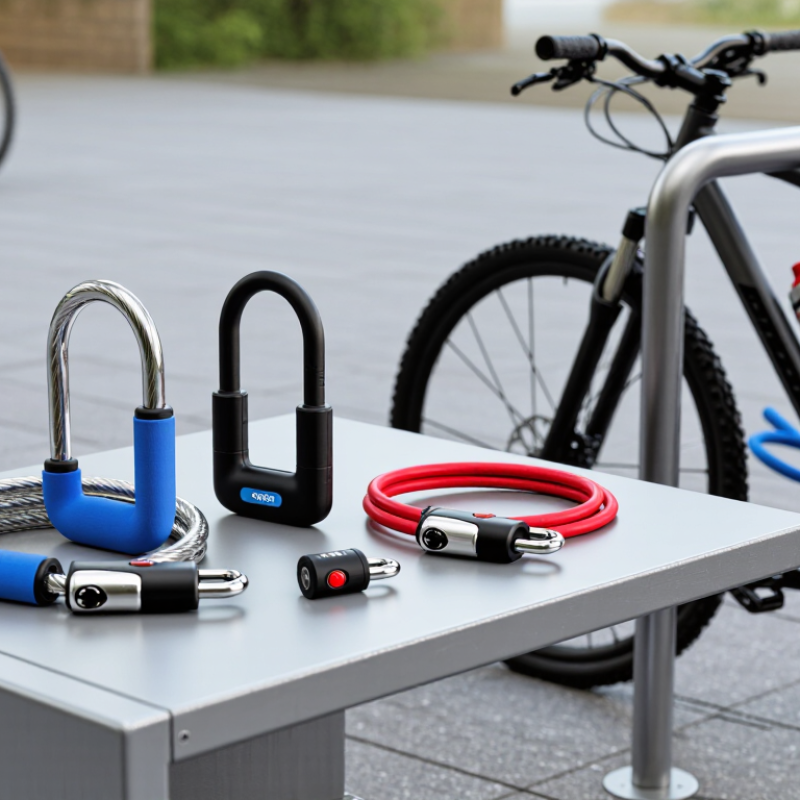
Bike locks come in several forms, and each suits a different ride. U-locks use a rigid steel shackle that resists leverage, but their small opening can make parking awkward. Chains wrap around thick posts and frames, though heavy links can clatter against a bike’s frame. Folding locks pack neatly and reach around wider objects; their joints are potential weak points. Cable locks are light. They work best as a secondary layer, not the only barrier protecting a valuable bike.
Sold Secure’s published bicycle-lock scheme lists four ratings: Bronze, Silver, Gold, and Diamond. Its independent testing assesses resistance to attack, offering a useful comparison beyond marketing claims. A China Bike Cycle Lock should still be judged by its specific test rating, construction, and fit—not its country label alone. Ring locks, which sit over the rear wheel, are convenient for quick stops but may not secure the frame to a fixed object. That distinction is easy to miss.
Tips: Lock the frame and a wheel to an immovable rack. Keep the lock clear of the ground, where leverage is easier. Check that the shackle or chain fits snugly; a loose loop leaves room for tools. I have found that the “best” lock is often the one you will actually carry. It is an imperfect measure, but worth considering.
What Is the Best Bike Cycle Lock in 2026? Which Types of Bike Locks Are Available?
How to read this chart: The 1–5 scores are a qualitative comparison, not standardized test results. In general, hardened U-locks and heavy chains offer stronger resistance to common attacks than cable locks. Actual protection varies with lock construction, thickness, locking technique, and the quality of the object the bike is secured to. For higher-risk areas, use two different lock types.
Which Features Matter When Comparing Bike Locks
What Is the Best Bike Cycle Lock in 2026?
When comparing bike locks, start with the places and times you usually park. A heavy lock may offer more resistance, but it can become a nuisance on a daily commute. Check independent security ratings where available, and compare locks within the same rating system. Look at the material, shackle thickness, and locking mechanism, not just the product’s advertised strength. Small details matter. A keyway cover can help keep rain and grit away, while a smooth mechanism is easier to use with cold fingers. No lock is perfect.
Consider how the lock fits your bike and your parking routine. A U-lock can secure a frame and wheel to a fixed rack, but its opening may not fit every post. A chain can offer more reach, though it adds weight and may swing against the frame. Cable locks are light and flexible, but usually work best as a secondary layer. Check the lock’s weight, carrying options, and warranty terms before buying. A lock that stays at home is not much protection.
Tips: Test the lock around your frame and usual rack before relying on it. Keep the key code or a spare key in a safe place. Recheck the locking mechanism after dusty or wet rides.
How to Match a Lock to Your Bike and Risk Level
The best bike lock is the one that fits your bike, parking habits, and likely exposure. A lightweight commuter bike left outside a busy café for ten minutes faces a different risk than an expensive bike parked overnight near a quiet rack. Think about where you stop, for how long, and whether anyone can see the bike. Small details matter.
A sturdy U-lock can work well around a frame and a fixed rack, but check the opening size before buying. It should fit the rack without leaving much room for leverage. A chain may reach awkward posts, though its weight can become tiresome on a daily ride. I used to focus too much on the lock’s stated strength. Carrying it comfortably matters, too. If it stays at home, it offers no protection.
For higher-risk stops, secure the frame and a wheel to a solid rack, and avoid isolated spots when possible. In lower-risk areas, a compact lock may be a reasonable trade-off for quick errands. An OEM Bike Cycle Lock listing can describe materials and dimensions, but verify those details and inspect the locking mechanism yourself. There is no perfect choice. My own trade-off still changes with the route and the parking spot.
What Is the Best Bike Cycle Lock in 2026? — How to Match a Lock to Your Bike and Risk Level
| Lock type | Typical weight* | Relative security | Best suited to | Advantages | Limitations and practical use |
| Hardened U-lock | About 1–2 kg | High | Everyday commuting, city parking, and bikes left in public areas for several hours | Rigid construction; secures the frame and a wheel to a fixed object; compact models are relatively easy to carry. | Choose a size that fits around the frame and a secure rack with little spare space. A separate cable or second lock can secure the other wheel. |
| Hardened CHAIN LOCK | About 1.5–4 kg | High | Higher-risk locations, longer parking periods, or situations where a U-lock cannot reach the parking structure | Flexible enough to secure a frame and wheel to a wide range of fixed objects; thicker hardened links can provide strong resistance. | Often heavier to carry. Keep the chain off the ground when locked and secure the frame, not just a wheel. |
| Folding lock | About 0.8–1.5 kg | Medium to high | Riders who need a compact lock with more reach than many U-locks offer | Folds into a portable shape and can wrap around different racks and frame shapes. | Security depends on the specific construction and locking mechanism. Check independent security testing where available and avoid leaving a valuable bike unattended for long periods in a high-risk area. |
| Frame-mounted wheel lock | About 0.4–0.8 kg | Low on its own | Quick stops, low-risk locations, or as a secondary lock on compatible bikes | Convenient for preventing the rear wheel from turning; stays attached to the bike. | Does not secure the bike to a fixed object. Pair it with a U-lock or chain when the bike will be left unattended. |
| Flexible cable lock | About 0.2–0.6 kg | Low on its own | Low-risk, brief stops or securing accessories when used with a primary lock | Lightweight, flexible, and easy to thread through wheels and accessories. | Many cable designs can be cut with common hand tools. Do not rely on a basic cable as the only lock for a valuable bike in a public or higher-risk location. |
| Two-lock setup | Varies by combination | Higher layered protection | Higher-risk areas, valuable bikes, or regular all-day parking | Combines a primary U-lock or chain with a second lock to secure another wheel or component; may require different tools to defeat. | Adds weight and takes longer to use. Lock the frame and at least one wheel to a fixed, immovable object; use the second lock for the remaining wheel when practical. |
How to choose: For a typical commuter, a well-fitted hardened U-lock is a practical starting point. In a higher-risk area or for a more valuable bike, consider a hardened chain or a two-lock setup. No lock is theft-proof: lock the frame to a fixed object, minimize open space inside the lock, and avoid leaving the bike in the same exposed location for long periods. Security ratings and local theft risk vary, so check current independent testing and local guidance.
*Weight ranges are approximate and vary with lock length, material, and design.
How to Secure and Maintain a Bike Lock
A strong bike lock works only when it is used well. Place the frame and rear wheel against a fixed rack, then keep the lock off the ground. A lock resting on pavement can be easier to attack with leverage. Leave little space inside the shackle. Check that the rack cannot lift away or loosen. It sounds obvious. In a hurry, it is easy to secure only the front wheel.
The independent Sold Secure bicycle-lock rating framework uses four levels: Bronze, Silver, Gold, and Diamond. Treat these as resistance ratings, not guarantees against theft; choose a level suited to your bike and parking risks. A Custom Bike Cycle Lock still needs regular care. Wipe mud and grit from the body, and inspect the shackle for rust or damage. If the key sticks, use a lock-safe dry lubricant and follow the maker’s care instructions. Avoid forcing it. A stiff key can make a quick stop feel like a repair job. Store the lock somewhere dry after riding in rain, and test it at home before relying on it outdoors. I sometimes check the frame and forget the wheel. That small oversight is worth correcting.
Conclusion
Choosing the best Bike Cycle Lock in 2026 starts with understanding how a lock helps deter theft by securing a bicycle to a fixed object and making unauthorized removal more difficult. Security ratings offer a useful way to compare resistance to tampering, but they should be considered alongside the lock’s construction and intended use. Common options include U-locks, chain locks, folding locks, and cable locks, each balancing strength, flexibility, weight, and convenience differently.
When comparing locks, consider material, locking mechanism, portability, weather resistance, and how easily the lock can secure both the frame and a wheel. Match the level of protection to your bicycle’s value, where and how long it will be parked, and the risks of your regular routes. A strong lock is most effective when used correctly: secure the frame to an immovable object, avoid leaving unnecessary slack, and keep the mechanism clean and dry. Regular checks can help ensure the lock remains reliable over time.