Leave Your Message
0%

As urban cycling keeps growing, that trusty old Bike Cycle Lockis suddenly more of a serious security concern for people around the world. According to PeopleForBikes’ 2024 industry report, biking still plays a huge role in everyday getting-around and leisure here in the U.S. Meanwhile, the UK’s Office for National Statistics keeps tracking bike theft as a stubborn property crime. It all boils down to a pretty straightforward issue: more people are riding bikes, but unfortunately, lots of them are still relying on locks that just aren’t good enough.

It’s a small choice with some pretty big consequences.

This 2026 guide takes a deep dive into the main kinds of bike locks—think U-locks, chain locks, folding locks, cable locks, and even smart locks. We look at stuff like the quality of hardened steel, different locking mechanisms, how portable they are, how well they stand up to weather, and security ratings. We also consider how folks actually use them—like, how and where they’re installed in real life. While ratings from organizations like Sold Secure and what manufacturers share can be helpful, it’s important not to just trust those labels blindly. Because even the strongest lock can be useless if it’s attached to a weak post—that’s a detail that often gets overlooked.

Sheldon Brown, a well-respected bike mechanic and expert, once said, “The best lock is the one you actually use.” And honestly, that still holds true. A heavy, fancy lock left at home isn’t gonna do you any good. A smaller, more convenient lock—if used properly—might actually be more effective for everyday rides. Plus, this guide takes into account different regions’ needs, from humid coastal cities to busy European streets to long-distance Asian commutes. Some tips might seem obvious, but a few assumptions could definitely use questioning. Remember, paying more doesn’t always mean better security. And sometimes, the convenience of a lock plays just as big a role as how tough it is—so don’t overlook that.

All in all, choosing the right lock isn’t just about the gear, it’s about understanding your habits, your environment, and what really works for you. Sometimes, the simplest options are the smartest moves.
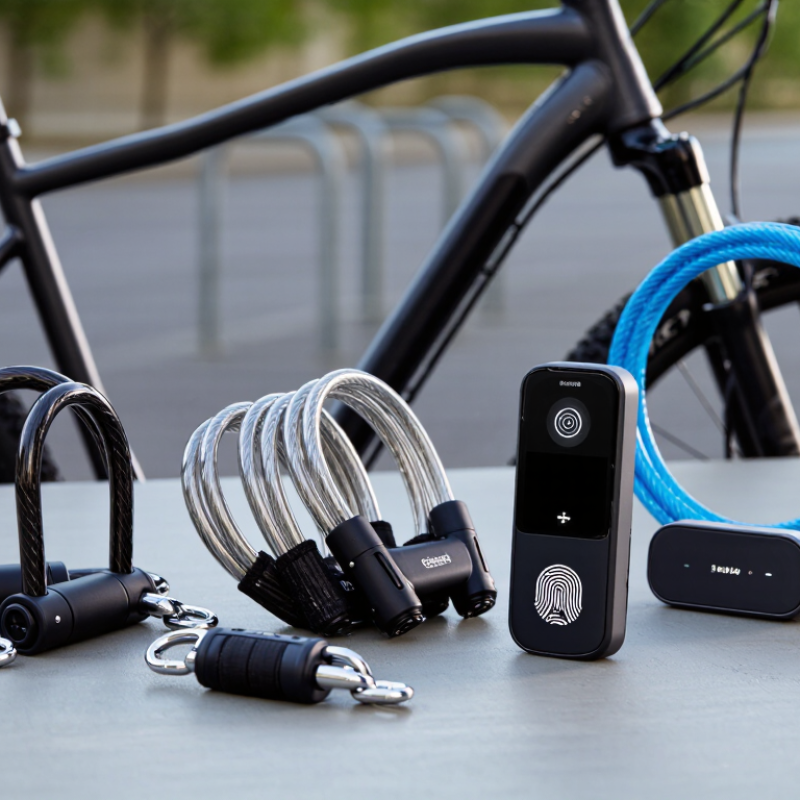
2026 Top Types of Bike Cycle Locks for Global Buyers

Bike Cycle Lock Basics: Purpose, Structure, and Security Levels

2026 Top Types of Bike Cycle Locks for Global Buyers

A Cycle Bike Lock protects the frame, wheel, and connection point from opportunistic theft. Its main parts include the shackle or cable, lock body, cylinder, and mounting bracket. A rigid U-shaped lock resists cutting and leverage better than a thin cable. However, cables are lighter and useful for securing wheels. The UK Office for National Statistics recorded approximately 77,000 bicycle theft incidents in England and Wales during the year ending March 2023. That figure makes everyday locking technique important.

Security levels depend on material thickness, locking geometry, cylinder resistance, and independent testing. European standard EN 15496 defines performance requirements and test methods for bicycle locks. Certification results should be read carefully. A higher level generally means stronger resistance, not unlimited protection. No lock is absolute. A poorly positioned lock can still fail when it leaves space around the frame. I have seen buyers focus on weight, then overlook the exposed wheel. That choice deserves reconsideration.

Tips: Lock the frame to a fixed object, not only the front wheel. Keep the lock tight and off the ground. For a city commute, combine a rigid primary lock with a secondary cable. Check the keyway after rain, dust, or freezing weather. Replace damaged cylinders promptly. Research local theft patterns before choosing between portability and maximum resistance.

Key Types of Bike Cycle Locks for Different Riding Needs

Bike cycle locks should match the riding situation, not just the bicycle’s price. A hardened U-lock offers strong resistance against cutting and prying. It suits commuters who park near busy offices or transit stations. Its rigid shape can be awkward around thick posts. Measure the frame, wheel, and parking object before buying.

CHAIN LOCKs provide flexible reach and work well for securing two bicycles together. Choose a thick chain with a protected locking mechanism for outdoor storage. Folding locks are lighter to carry and fit neatly into a frame-mounted holder. They help touring riders and daily cyclists who change parking locations often. However, more joints can mean more maintenance points. Keep them clean and check for loose sections.

Cable locks are convenient for quick stops and can secure accessories, such as helmets. They should not be the only protection in isolated areas. Small wheel locks may prevent riding but usually need another lock for fixed security. A reliable setup often combines a primary U-lock with a secondary cable or chain. Lock the frame and wheel to an immovable object, leaving little space inside the lock. Avoid touching the ground, where leverage becomes easier. No lock is perfect. It is easy to choose a heavy model and then leave it at home. In real riding, a lock that is carried and used correctly may protect better than a stronger one that stays in a drawer.

Comparing U-Locks, Chain Locks, Folding Locks, and Cable Locks

2026 Top Types of Bike Cycle Locks for Global Buyers

Comparing U-Locks, Chain Locks, Folding Locks, and Cable Locks

Choosing a bicycle lock depends on location, parking time, and daily carrying habits. A U-lock usually offers strong resistance against common hand tools. Its rigid shape also limits leverage around the frame. However, small models may not fit wide posts or both wheels. Measure your usual parking points before buying.

Chain Locks

Chain locks provide flexible coverage around frames, wheels, and irregular street fixtures. Thick links improve resistance, but they add weight quickly. A fabric sleeve helps prevent scratches and reduces metal noise.

Folding Locks

Folding locks sit between rigid and flexible designs. Their linked plates pack neatly, yet each joint needs careful inspection. They suit commuters who value compact storage. Still, their protection varies with construction quality.

Cable Locks

Cable locks are light and easy to route through several parts. They work well as secondary security or for brief stops in visible areas. I would not treat a thin cable as equal to a hardened U-lock. That assumption is easy to regret.

Check the lock body, locking cylinder, mounting system, and exposed gaps, not only advertised thickness. Secure the bicycle frame to a fixed object, keep the lock above the ground, and avoid leaving slack. A practical setup often combines a U-lock with a separate cable or chain. No lock is effortless. The best choice is the one you will carry, use correctly, and maintain.

Choosing Lock Materials, Dimensions, Weight, and Portability

For global buyers, a bike lock should match the bicycle, parking area, and daily route. Hardened steel resists cutting better than thin alloy, while layered coatings help reduce scratches and surface rust. A U-lock usually offers strong security, but its dimensions matter. A 25-centimetre shackle may secure a frame and wheel, yet fail around a wide parking rail. Measure the bicycle and common locking points before ordering.

Weight affects real-world use. A heavy chain can discourage theft, but it becomes tiring during a long commute. A compact folding lock offers easier carrying and flexible reach, although its joints need careful inspection. A China Bike Cycle Lock may suit different export markets when its material grade, lock cylinder, and corrosion testing are clearly documented. Avoid judging quality by appearance alone. I once underestimated carrying comfort; the strongest lock stayed at home. That was a poor choice.

Tips: Check the lock’s outside dimensions, not only its advertised length. Ask for net weight, packing weight, shackle diameter, and available mounting methods. Test whether it fits inside a small frame bag. Look for smooth key movement and tight joints. A lock that is secure but inconvenient may not be used consistently. Conditions differ. Salt air, rain, dust, and crowded parking spaces should influence the final selection.

2026 Top Types of Bike Cycle Locks for Global Buyers

Choosing the right lock depends on material strength, dimensions, weight, and portability. The chart compares representative typical weights for common lock categories, while the table summarizes their usual construction and size ranges.

Lock Type Common Materials Typical Dimensions Typical Weight Portability
Cable Lock Braided steel cable with PVC or nylon coating 100–180 cm length; 8–15 mm cable diameter 0.3–0.8 kg Very high
Chain Lock Hardened steel links with textile or nylon sleeve 80–120 cm length; 6–12 mm link diameter 1.0–2.5 kg Medium
Folding Lock Hardened steel plates with alloy rivets and plastic coating 70–100 cm usable length; 5–8 cm folded thickness 0.8–1.6 kg High
U-Lock Hardened steel shackle with steel or alloy lock body 20–35 cm shackle length; 10–18 mm shackle diameter 0.8–1.8 kg Medium to high
Frame Lock Hardened steel locking bar with steel or alloy housing 15–25 cm frame-mounted body width 0.3–0.7 kg High

The values represent typical specifications commonly found across the global bicycle-lock market. Actual dimensions and weights vary according to security level, locking mechanism, coating, and mounting accessories.

Matching Lock Security to Commuting, Storage, and Travel Conditions

2026 Top Types of Bike Cycle Locks for Global Buyers

Matching Lock Security to Commuting, Storage, and Travel Conditions

Lock selection should follow the bicycle’s daily environment, not just its price.

PeopleForBikes reported that 112 million Americans rode a bicycle in 2023, showing how varied modern cycling conditions have become. A lightweight folding lock suits short commutes with frequent carrying. A hardened U-lock offers stronger resistance beside crowded stations, where cutting tools and limited supervision create greater risks. Cable locks remain useful for securing wheels, but they should not protect an expensive bicycle alone.

Storage demands a different approach.

The Bicycle Association’s 2024 market data indicates continued consumer interest in higher-value electric bicycles, which increases the need for layered protection. Use a substantial chain or U-lock through the frame and a fixed object. At home, add a floor anchor or locked storage room. Keep the lock off the ground; a damp pavement can accelerate corrosion, especially around the cylinder.

Small detail. It matters.

Travel introduces weight, space, and weather problems.

A compact folding lock works inside luggage, while a weather-sealed chain is more practical for long outdoor stops. Buyers comparing an OEM Bike Cycle Lock should check steel thickness, locking mechanism testing, corrosion resistance, and replacement-key support.

Independent testing schemes, such as Sold Secure’s graded evaluations, offer useful evidence, though ratings do not guarantee zero theft.

I have seen riders choose the heaviest lock, then leave it at home because carrying it became inconvenient.

Security only works when the lock is actually used.

Smart Features, Mounting Options, and Maintenance Considerations

For global buyers, bike locks now combine physical resistance with digital convenience. U-locks offer a rigid barrier and compact frame storage. Chains fit wider posts and crowded racks, while folding locks balance flexibility with moderate weight. Cable locks remain useful for helmets or quick stops, but they should not protect an expensive bicycle alone.

MarketsandMarkets valued the global smart locks market at about USD 2.4 billion in 2023, with strong projected growth through 2028. Bicycle versions commonly add Bluetooth unlocking, movement alerts, access sharing, and battery warnings. These features help in a dark parking area. Yet, a dead battery can turn convenience into frustration. Test emergency access before commuting. A Custom Bike Cycle Lock may also need weather-resistant electronics, not only a strong shackle.

Mounting affects daily use more than many buyers expect. A frame bracket should hold firmly on rough roads, without blocking cables or bottle cages. Check frame-tube diameter and mounting screws before ordering. Stainless hardware helps resist rain, but dirt still enters moving parts. Bicycle maintenance guidance from the U.S. Consumer Product Safety Commission stresses regular equipment checks; lock users should inspect cracks, loose rivets, corrosion, and weakened keys. Wipe the shackle after wet rides and use manufacturer-approved lubricant sparingly. I once trusted a smooth-looking cable too much. That was poor judgment. Security ratings need context, because attack time, location, and locking technique also matter.

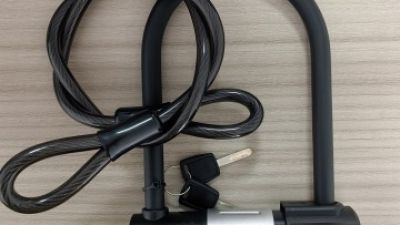
Heavy-Duty U-Lock with Rope: Reliable D-Shaped Security for Motorcycles and Tricycles

The Heavy-Duty U-Lock with Rope provides reliable D-shaped security for motorcycles and tricycles. Its sturdy U-shaped coated iron body is designed to resist cutting, sawing, and prying, helping protect your vehicle during everyday parking or longer stops. Measuring 12 × 160 × 220 mm, the lock offers a practical balance of strength and portability, while the accompanying rope adds flexibility when securing the vehicle to a suitable fixed object.

Built with a zinc alloy lock cylinder, this U-lock is supplied with two brass keys for convenient daily use and backup access. The protective ABS case helps resist changing weather conditions and reduces the risk of scratches on the lock or nearby surfaces. Its durable construction makes it suitable for a variety of settings, including streets, garages, parking areas, residential compounds, and outdoor storage locations.

Designed for motorcycles, tricycles, bicycles, and other compatible applications, this lock is a dependable choice for riders who want a strong and versatile security solution. The coated finish improves handling and helps provide an additional layer of protection against regular outdoor wear.

FAQS

What is the main purpose of a bicycle lock?

It protects the frame, wheels, and connection point from opportunistic theft. A good lock works best with correct positioning.

Which lock type usually offers the strongest resistance?

A rigid U-shaped lock generally resists cutting and leverage better than a thin cable. Its compact shape leaves less room for tools. However, a small model may not fit wide posts or both wheels.

When are cable locks useful?

Cable locks are light and easy to route through wheels and frames. They suit brief stops in visible places. I would use one as secondary security, not as the only lock.

Are chain locks suitable for different parking locations?

Yes. Flexible chains can wrap around frames, wheels, and irregular street fixtures. Thicker links usually improve resistance but add noticeable weight. A fabric sleeve can prevent scratches and reduce metal noise.

Why might commuters choose folding locks?

Folding locks pack neatly and usually balance flexibility with compact storage. Their joints need regular inspection. Protection varies, so appearance alone should not decide.

How should a bicycle be locked correctly?

Lock the frame to a fixed object, rather than securing only the front wheel. Keep the lock tight, elevated, and away from the ground. Avoid large gaps around the frame.

Does a higher security level guarantee complete protection?

No. Higher levels generally indicate stronger tested resistance, not unlimited protection. Material thickness, lock geometry, cylinder resistance, and testing all matter. No lock is absolute.

What should buyers inspect besides advertised thickness?

Check the lock body, cylinder, mounting bracket, exposed gaps, and connection points. A thick cable can still leave weak areas. That is easy to overlook.

How can weather affect a bicycle lock?

Rain, dust, and freezing conditions can affect the keyway and cylinder. Inspect the mechanism after harsh weather. Replace damaged cylinders promptly.

How should someone choose between portability and maximum resistance?

Consider parking time, local theft patterns, daily carrying habits, and available fixtures. A strong lock left at home protects nothing. A practical setup often combines a U-lock with a cable or chain.

Conclusion

This guide explains the essential role of a Bike Cycle Lock in preventing theft and protecting bicycles in everyday and travel situations. It introduces the basic structure of locks, including locking mechanisms, shackles, chains, folding segments, and cables, while explaining how security levels relate to different risks. Readers will compare U-locks, chain locks, folding locks, and cable locks to understand their strengths, limitations, and ideal riding environments.

The article also provides practical advice on selecting materials, dimensions, weight, and portability. It shows how to match lock security with commuting, outdoor storage, shared parking, and long-distance travel needs. In addition, it covers useful smart features, frame-mounting options, weather protection, cleaning, lubrication, and routine inspections. By considering security, convenience, durability, and carrying comfort together, global buyers can choose a reliable lock that fits their bicycle, daily habits, and storage conditions.
Isabelle

Isabelle

Isabelle is a dedicated marketing professional at Wenzhou Naibao Lock Industry Co., Ltd., where she leverages her expertise to enhance the company’s visibility in the competitive market of lock manufacturing. With a profound knowledge of the company's innovative products, she crafts engaging and......
Previous How to Choose the Right Bike and Lock for Global Buyers?