When it comes to cycling, staying safe really comes first, no doubt about it. Picking the right bike lock can actually make a huge difference in giving you peace of mind when you’re leaving your bike behind. I mean, just ask John R. Bike, who’s sort of a big deal in bike safety at SecureCycle Solutions. He always says, *“A good bike lock can scare off even the determined thieves.”* That’s pretty much the truth — investing in a quality lock is totally worth it.
Honestly, with so many options out there — from U-locks to chain locks — it can get pretty overwhelming trying to figure out what’s best. And let’s be real: about one in four bikes gets stolen somewhere around the world, which totally highlights why having a solid lock is such a no-brainer. A good lock isn’t just some added gadget; it’s a crucial part of riding your bike worry-free.
That said, not all locks are created equal. Some of the cheaper options might look good and cost less, but honestly, they might not offer the protection you need. Figuring out the differences between lock types helps us make smarter choices. As cyclists, we’ve gotta stay alert and not just go for the first thing we see. So yeah, hunting for the perfect bike lock is really about finding that sweet spot between security, trust, and doing a little homework. Because, let’s be honest — “Bike Lock, Bike Lock” should always be on our minds whenever we hit up the bike shop or scroll online.
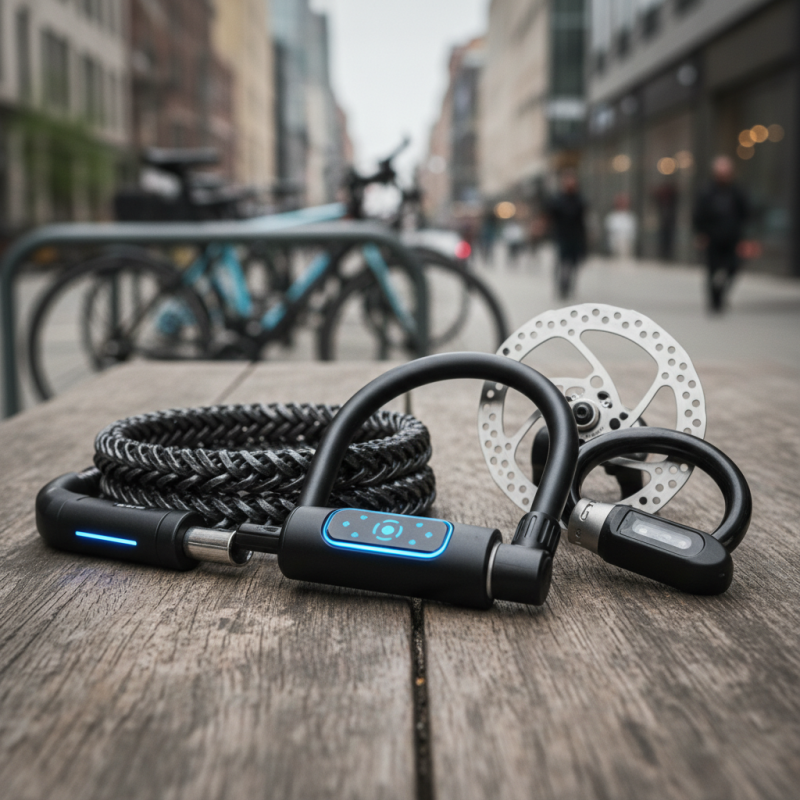
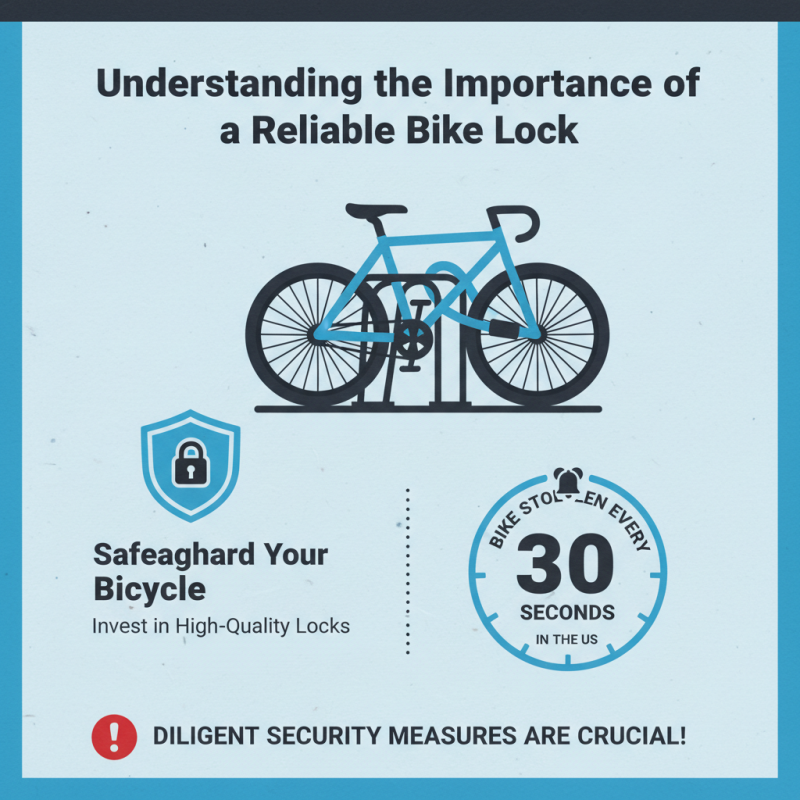
Understanding the Importance of a Reliable Bike Lock
A reliable bike lock is crucial for safeguarding your bicycle. Many cyclists underestimate the importance of investing in high-quality locks. The statistic shows that a bike is stolen every 30 seconds in the U.S. This alarming rate highlights the need for diligent security measures.
Different types of locks serve varying needs. U-locks offer solid protection against cutting tools, while chain locks provide flexibility. However, not all locks are foolproof. Many locks can be vulnerable to skilled thieves. Choosing a lock that features high-security ratings is essential. Pay attention to the material and design, as these factors affect durability.
Cyclists often feel a false sense of security with cheap locks. It's easy to overlook potential risks. Investing in a reliable lock requires a thoughtful approach. Consider your cycling habits and parking locations. Some areas may need additional security measures. Reflecting on these factors can lead to better protection for your bike.
Types of Bike Locks: A Comprehensive Overview
When considering bike locks, security is paramount. A variety of bike lock types are available, each with distinct advantages. U-locks, for instance, are often favored for their sturdiness and resistance to cutting. According to the 2021 National Bike Registry Report, U-locks deter around 80% of attempted thefts. They provide a solid option for urban cyclists who park in high-theft areas.
Chain locks offer flexibility. They can secure multiple bikes and attach to various objects. However, the protection they offer varies. A study by the Bicycle Theft Prevention Association indicates that chain locks can deter thieves 60% of the time when made from strong materials. Yet, many chain locks are vulnerable to bypass techniques, leaving room for improvement.
Folding locks combine portability with security, addressing the needs of commuters who prefer lightweight options. Recent data suggests that these locks rank third in overall effectiveness. Unfortunately, their compact design can limit their locking capabilities. Many cyclists find themselves questioning if they should invest in heavier locks for additional security. Ultimately, understanding the strengths and weaknesses of each type is crucial for making an informed choice that aligns with individual cycling habits.
Factors to Consider When Choosing a Bike Lock
Choosing the right bike lock is crucial for ensuring your cycling safety. There are several factors to consider when making your selection. Think about the type of lock that best suits your needs. U-locks, chain locks, and folding locks each offer different levels of security. U-locks tend to offer robust protection, while chain locks are often more versatile. Evaluate your parking conditions and choose accordingly.
Tips: Always check the security rating of the lock. Look for options that have undergone rigorous testing. Ensure that the lock can withstand various attacks, including cutting and prying.
Another key factor is portability. Consider how easy it is to carry the lock while cycling. A heavy lock may deter theft, but it can be cumbersome. Finding the right balance between weight and security is essential. Compact locks are easier to transport but may sacrifice some safety.
Tips: Use a lock with a mounting bracket for convenience. This helps to avoid carrying it in your bag. Regularly inspect the lock for wear and tear. A damaged lock can put your bike at risk.
2026 Best Bike Lock Options for Secure Cycling Safety
| Lock Type | Security Rating | Weight (lbs) | Price ($) | Key Features |
| U-Lock | High | 3.5 | 60 | Heavy-duty steel, anti-drill lock |
| Chain Lock | Medium | 6.5 | 40 | Flexible installation, lightweight |
| Folding Lock | High | 4.0 | 80 | Compact, portable, rust-proof |
| CABLE LOCK | Low | 1.5 | 20 | Lightweight, easy to use |
| Smart Lock | Medium | 2.0 | 100 | Bluetooth access, alarm features |
Top 2026 Bike Lock Recommendations for Security and Durability
Choosing the right bike lock is essential for secure cycling. In 2026, several options stand out for their security and durability. U-locks remain popular, providing strong resistance to cutting and prying. These locks typically feature hardened steel construction, making them a reliable choice for urban environments.
Chain locks also offer versatility. They can be wrapped around various objects, increasing stability. But they can be heavy, and not all options provide the same level of security. It's crucial to look for chains made from hardened materials. When considering flexibility, cable locks are lightweight and easy to transport. However, they often lack the robust security of U-locks and chains.
Reflecting on choice is necessary. A lock's weight and portability impact daily use. Striking a balance between security and convenience can be challenging. An ideal lock should suit your cycling habits and environment. Frequent cyclists might prioritize lighter locks, while those in high-theft areas might favor sturdier options. No lock is invulnerable, but informed choices enhance security significantly.
Comparison of Popular Bike Lock Brands
When it comes to securing your bike, the brand and type of lock you choose play pivotal roles. A recent industry report found that nearly 1.5 million bikes are stolen each year in the U.S. alone. This alarming statistic emphasizes the need for effective bike security solutions. The most popular types of bike locks include U-locks, chain locks, and folding locks, each with its strengths and weaknesses.
U-locks offer solid protection due to their durable materials and often high-security ratings. However, they can be cumbersome, and some models may not fit all bike frames or parking situations. Chain locks, on the other hand, provide flexibility in securing various parts of the bike. Yet, their thickness impacts portability and can be heavy to transport. Folding locks strike a balance between portability and security, but they may not boast the same resistance to cutting attacks as U-locks.
Evaluating the lock's security rating is essential. Data from the National Bike Registry indicates locks with a high-security rating reduce theft risk by nearly 75%. Still, no lock guarantees full protection. Users must consider their local bike theft rates and personal usage habits. A lock should not only be practical but should also serve as a deterrent based on its visibility and quality.
Tips for Properly Using and Maintaining Your Bike Lock
When it comes to bike locks, proper usage and maintenance are crucial. In the U.S., nearly 1.5 million bicycles are stolen each year, according to recent industry reports. This highlights the importance of not just having a sturdy lock, but knowing how to use it effectively. Always secure your bike to a fixed object and lock both the frame and wheels. Thieves often target vulnerable lock points. A recommended approach is to use two different types of locks. This adds complexity for a potential thief, as they would need different tools.
Regular maintenance of your bike lock is equally essential. Check for any rust or damage that could compromise its security. A well-maintained lock can last significantly longer; it’s estimated that proper care can double a lock's lifespan. Also, consider lubricating the locking mechanism at least once a year, ensuring smooth operation without jamming. Understanding the wear and tear on your lock can prevent unexpected failures. Reflecting on these practices is vital; overlooking these details might lead to an unpleasant surprise when your bike is missing.
2026 Best Bike Lock Options for Secure Cycling Safety
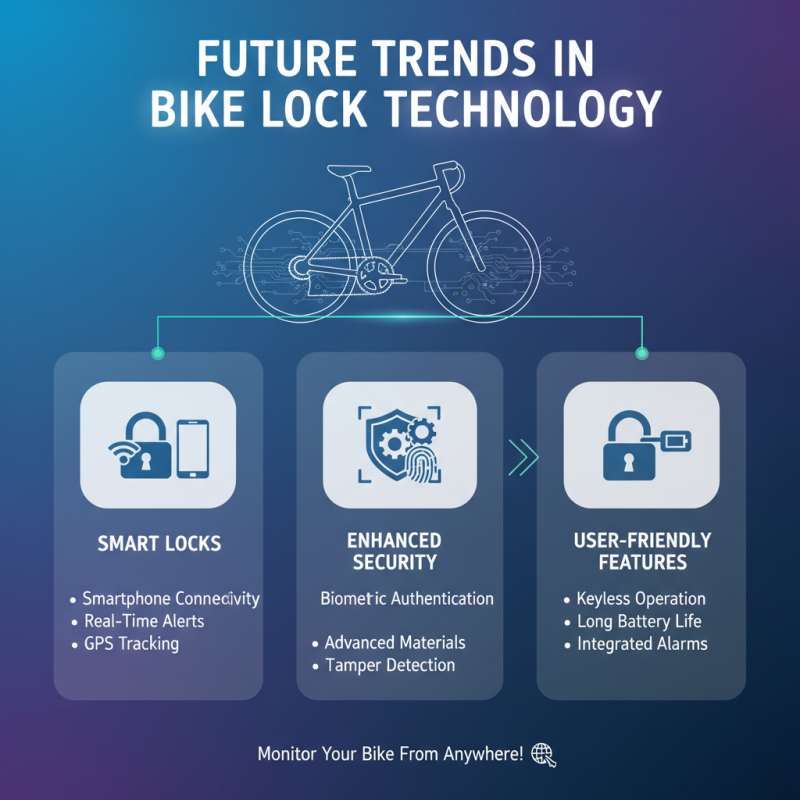
Future Trends in Bike Lock Technology and Features
The bike lock technology landscape is rapidly evolving. Innovations focus on enhancing security while providing user-friendly features. Smart locks are becoming increasingly popular. These locks connect to smartphones, offering real-time alerts and tracking options. Riders can monitor their bikes directly from their devices.
Lock designs are also improving. Lightweight materials, such as aircraft-grade aluminum, are gaining traction. This makes locks easier to carry without compromising strength. Keyless entry systems are on the rise. They eliminate the hassle of fumbling for keys, simplifying the locking process.
Tips for choosing a bike lock: Look for U-locks or heavy-duty chains. These options offer better protection against theft. Consider locks with visible features, like bright colors. They can deter thieves simply by their presence. Always ask yourself: how easy is it to break? Evaluate the lock's design for any weaknesses. Engage with your cycling community for recommendations. Personal experiences from other cyclists can provide valuable insights.
FAQS
: A reliable bike lock protects your bicycle from theft. Many cyclists underestimate this necessity.
U-locks offer strong protection against cutting tools. They are preferable in high-risk areas.
No, many locks can be vulnerable to skilled thieves. High-security ratings are essential when selecting a lock.
Pay attention to materials and design. These factors influence the lock's durability and strength.
Smart locks are popular, offering real-time alerts and tracking via smartphones. This adds convenience for cyclists.
Keyless entry systems eliminate the need for physical keys. This simplification makes locking your bike easier and quicker.
Look for U-locks or heavy-duty chains for better protection. Avoid cheap locks that may offer false security.
Engaging with your cycling community can provide valuable insights. Personal experiences can guide your decision-making.
Reflect on your cycling habits and parking locations. Some areas might require added security measures for better safety.
Yes, locks with bright colors or unique designs may discourage theft. Their presence can act as a visual deterrent.
Conclusion
In "2026 Best Bike Lock Options for Secure Cycling Safety," the article emphasizes the crucial role of a reliable bike lock in protecting bicycles from theft. It provides a comprehensive overview of different types of bike locks, helping cyclists understand the pros and cons of each. Key factors to consider when choosing a bike lock include security level, durability, and ease of use, ensuring cyclists make informed decisions.
The article also presents top recommendations for 2026, comparing popular bike lock brands to highlight their effectiveness. Additionally, tips for proper usage and maintenance are offered to enhance the longevity of bike locks. Lastly, it discusses future trends in bike lock technology, indicating the evolution of features aimed at enhancing security for cyclists. Overall, the article serves as a valuable resource for anyone looking to secure their bike with the right bike lock.